Many of Burlington's split-level and ranch homes from the 1960s and 1970s near the Route 128 corridor were built with a single masonry chimney and an open wood fireplace, and a good share of those fireplaces have since been fitted with gas inserts or gas log sets. That change puts different demands on the flue than the original builder planned for. Chimney Experts Boston sweeps, inspects, and repairs chimneys throughout Burlington and Middlesex County, and we check the venting on a converted fireplace as carefully as the masonry.
Our $299 cleaning includes the sweep and a Level 1 inspection with photos. If you want an assessment first, the $49 inspection is credited toward any repair work you approve. Call (617) 404-9587 or book online to schedule your Burlington appointment.
Burlington housing and chimney profile
Burlington is in Middlesex County, Massachusetts. The housing stock the town is known for includes 1960s and 1970s split-level and ranch homes near the Route 128 corridor. What that means for an individual chimney is settled at the property, by inspection, not by the town it stands in.
Common chimney conditions in Burlington homes
Chimneys from the 1960s and 1970s were usually finished with a mortar wash rather than a poured crown, and after decades of New England freeze and thaw those washes are cracked or gone. Water entering at the top loosens the upper brick courses and the first flue tile. Split-level chimneys often pass through a lower-level family room, and ranch chimneys sit low on the roof where snow piles against the flashing. Clay tile liners from this period commonly have open joints.
A gas insert in one of these fireplaces needs a liner sized to the insert and a connection that is sealed and intact. Gas exhaust in an oversized masonry flue condenses, and the acidic moisture attacks the mortar and the tile from inside. Where a furnace or water heater also vents into the chimney, each appliance needs its own properly sized flue. Fireplaces added during a later renovation may be factory-built units inside a wood-framed chase, with a chase cover and flashing that need checking.
The Level 1 inspection covers the firebox, damper, smoke chamber, flue interior, crown, cap, flashing, and each appliance connection, and we photograph what we find. You receive a written quote afterward that lists each recommended repair and its price: a poured crown, a cap, a liner, repointing, or flashing work. You review it and approve what you want done. No repair begins without your approval.
Services available in Burlington
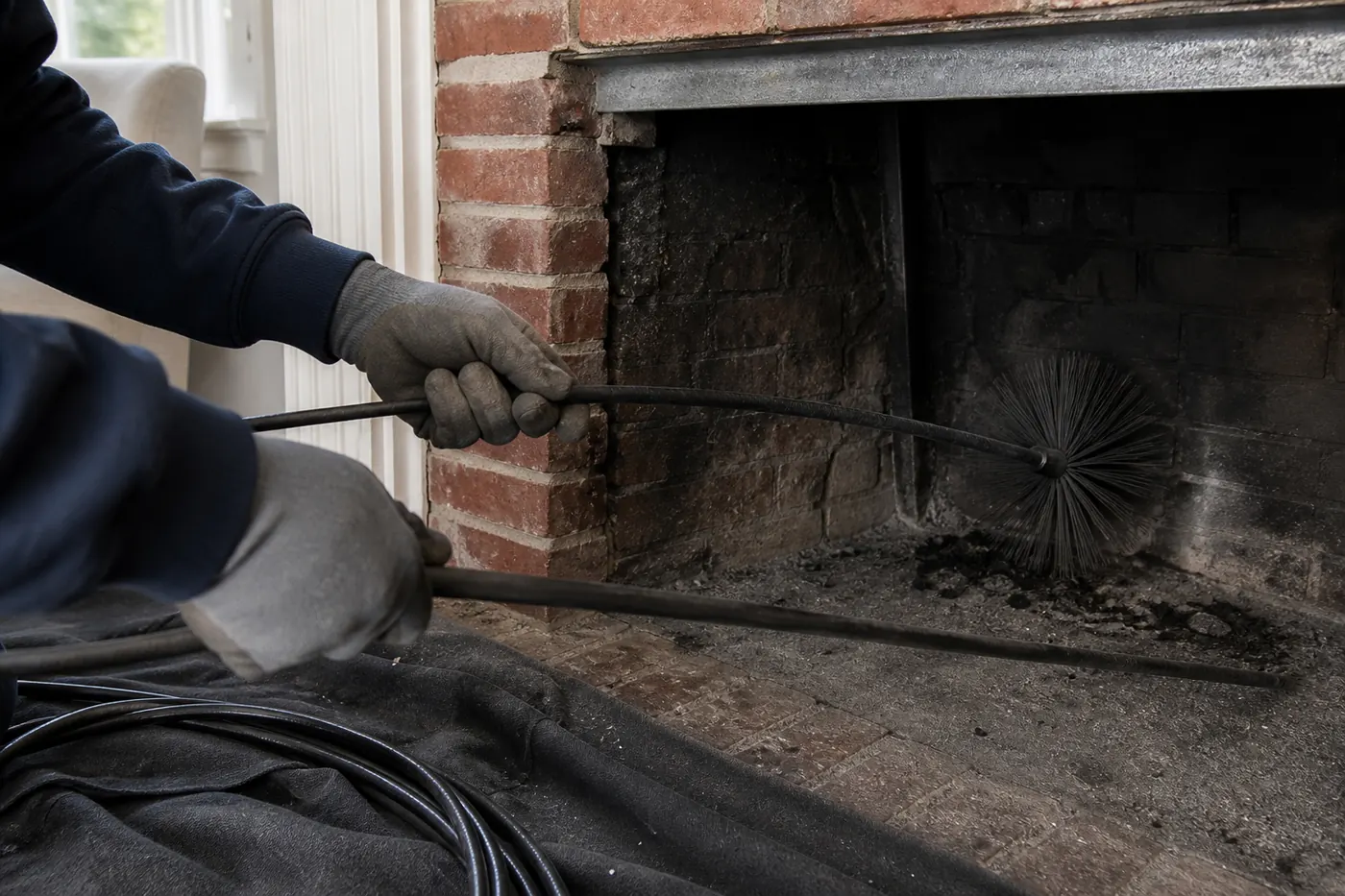
Chimney Sweep & Cleaning
$299
Inspect-first service with photo documentation and a written scope before work.
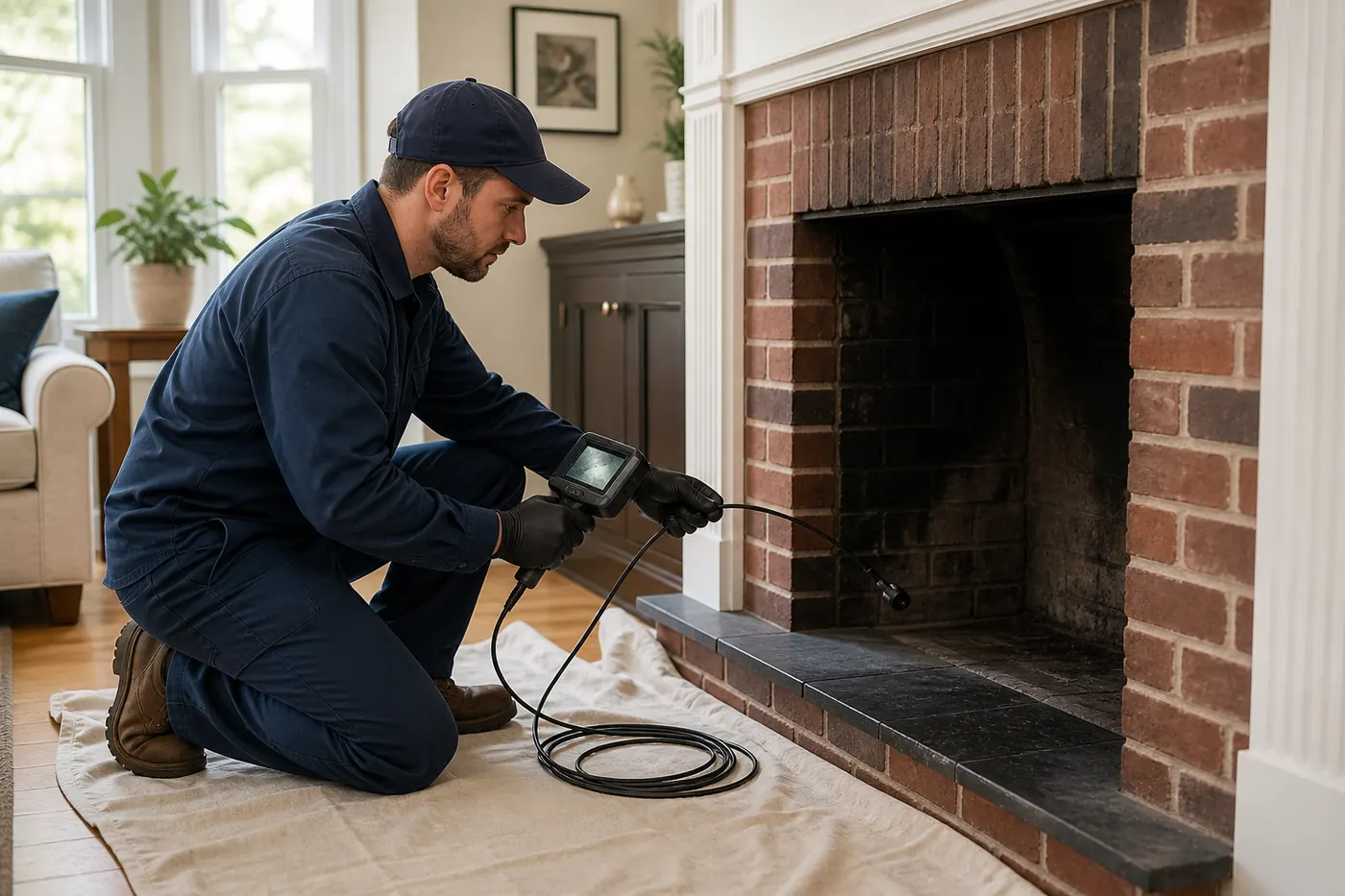
Chimney Inspection
$49 / $99 / $299
Inspect-first service with photo documentation and a written scope before work.
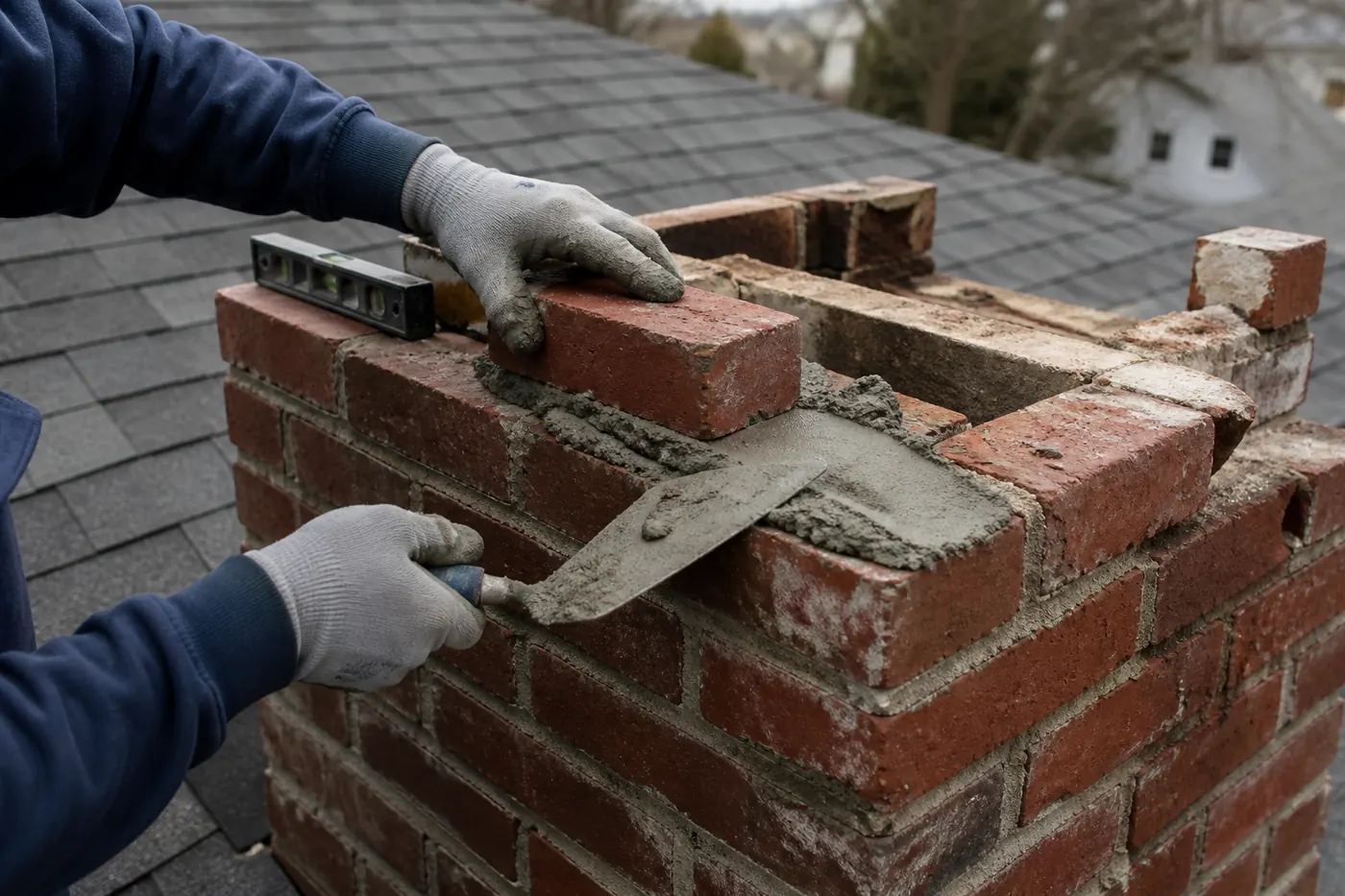
Chimney Repair
$300–$2,500+
Inspect-first service with photo documentation and a written scope before work.
Chimney Rebuild
$2,000–$10,000+
Inspect-first service with photo documentation and a written scope before work.
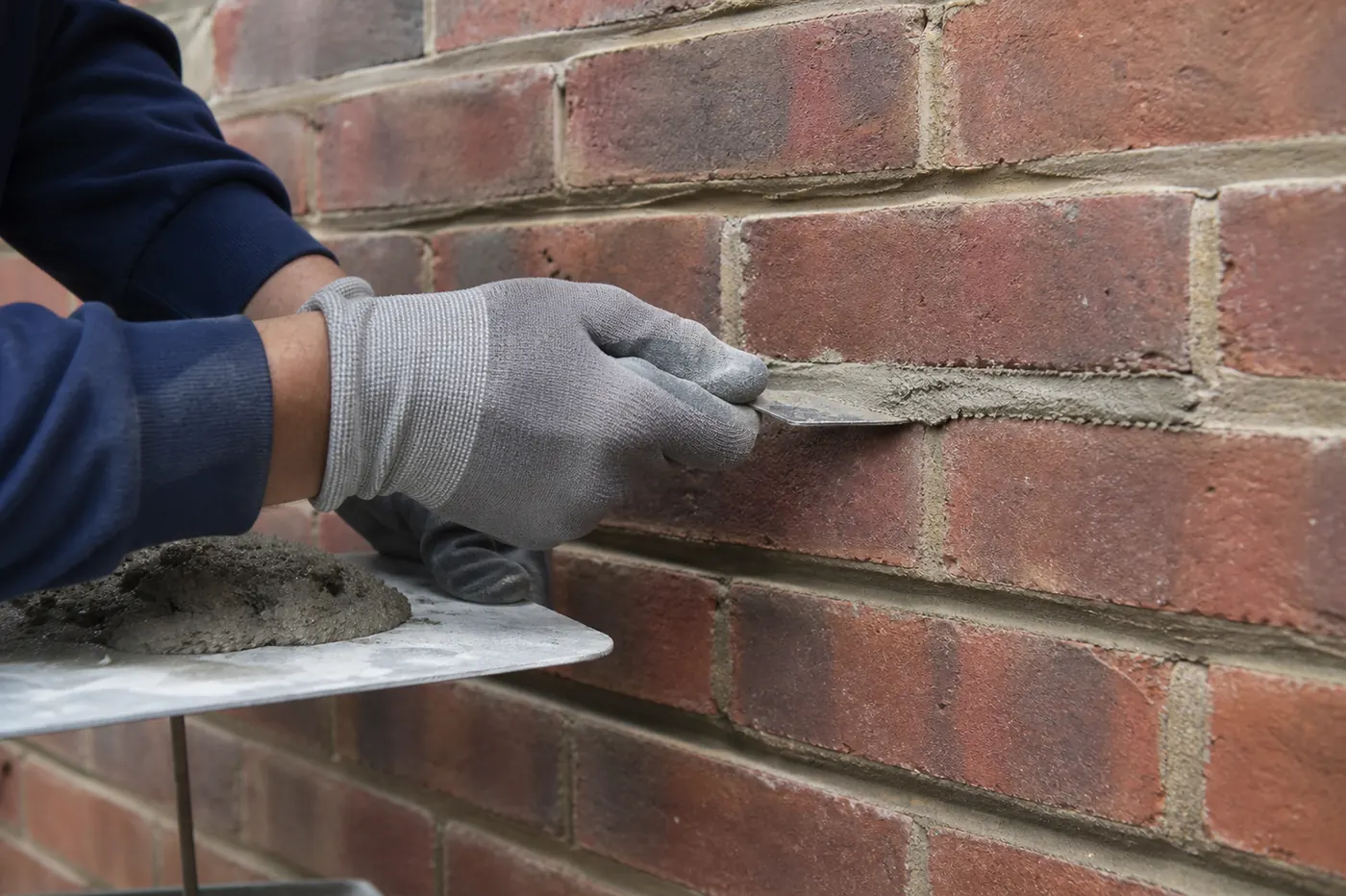
Repointing & Tuckpointing
$300–$2,500
Inspect-first service with photo documentation and a written scope before work.
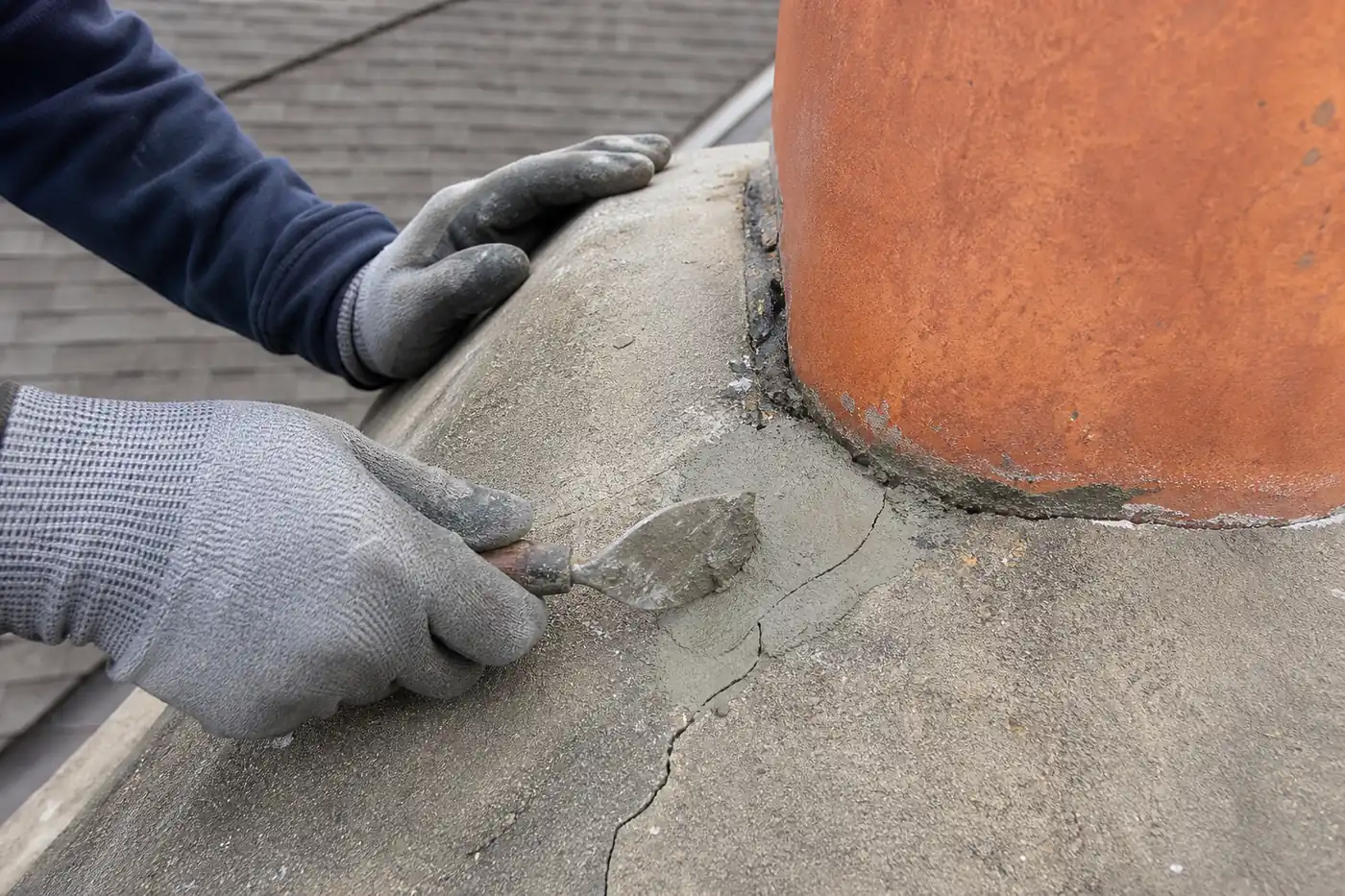
Chimney Crown Repair
$300–$2,500
Inspect-first service with photo documentation and a written scope before work.
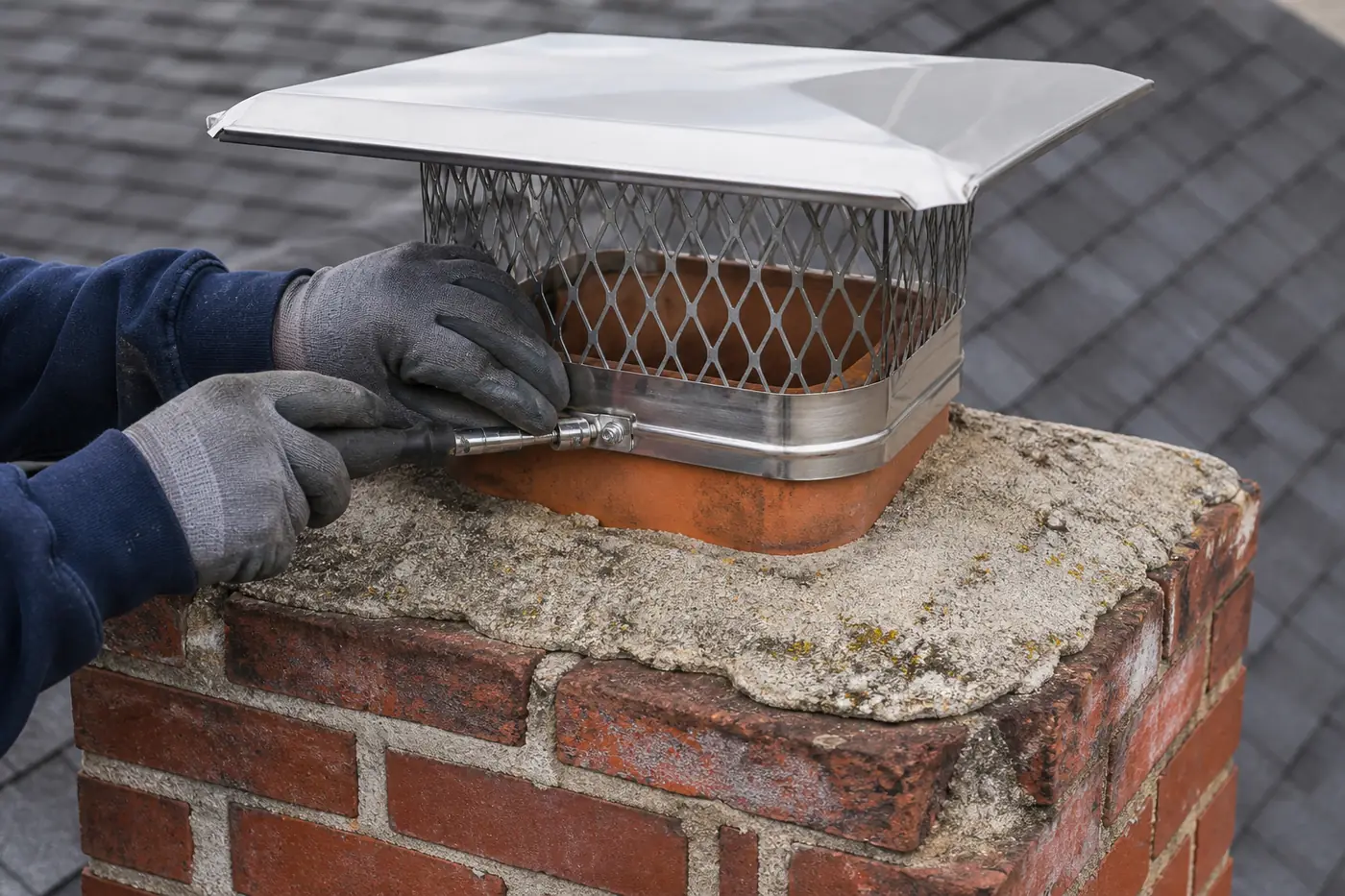
Chimney Cap Installation
$300–$1,300
Inspect-first service with photo documentation and a written scope before work.
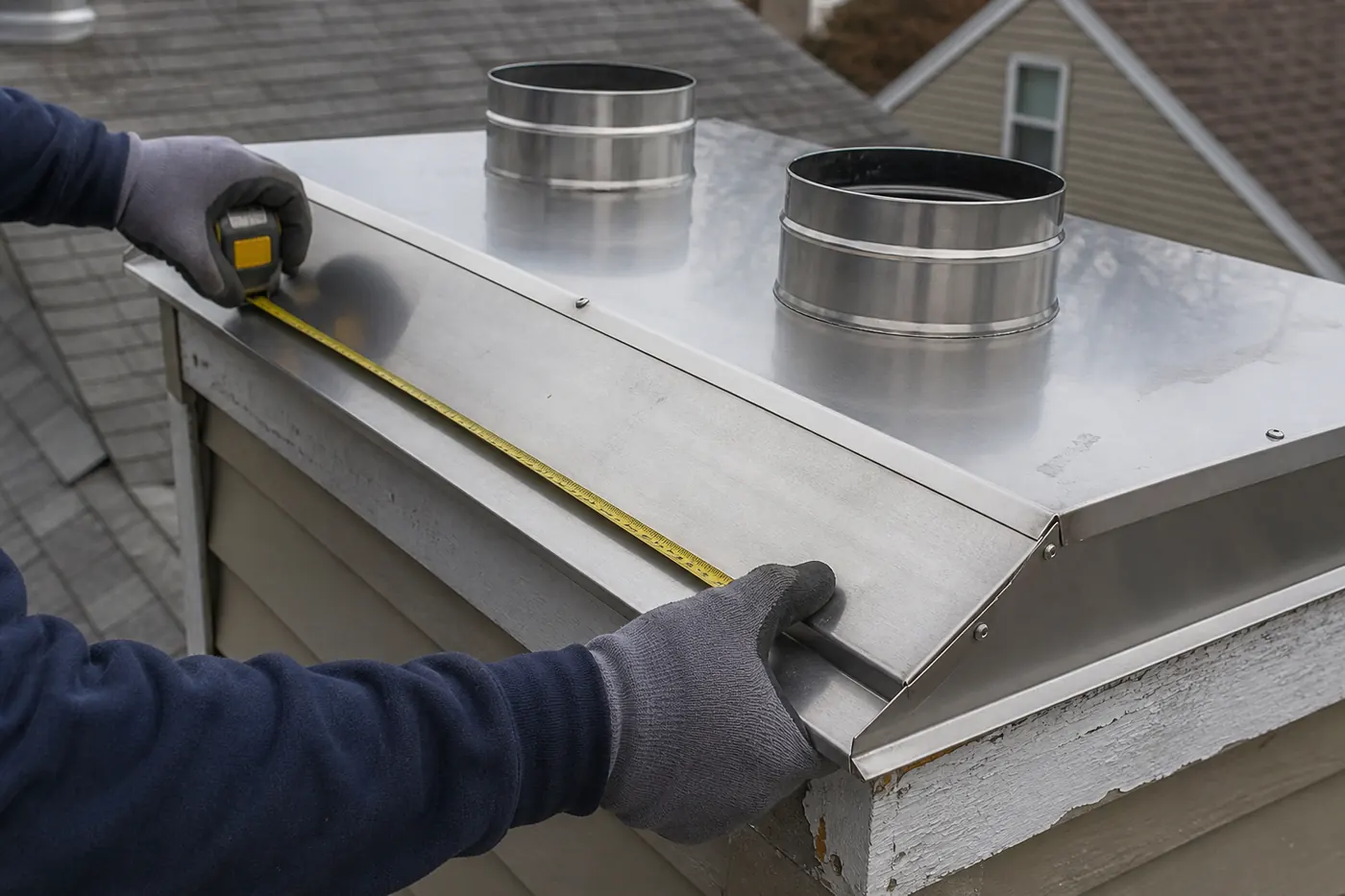
Chase Cover Replacement
$800–$1,500
Inspect-first service with photo documentation and a written scope before work.
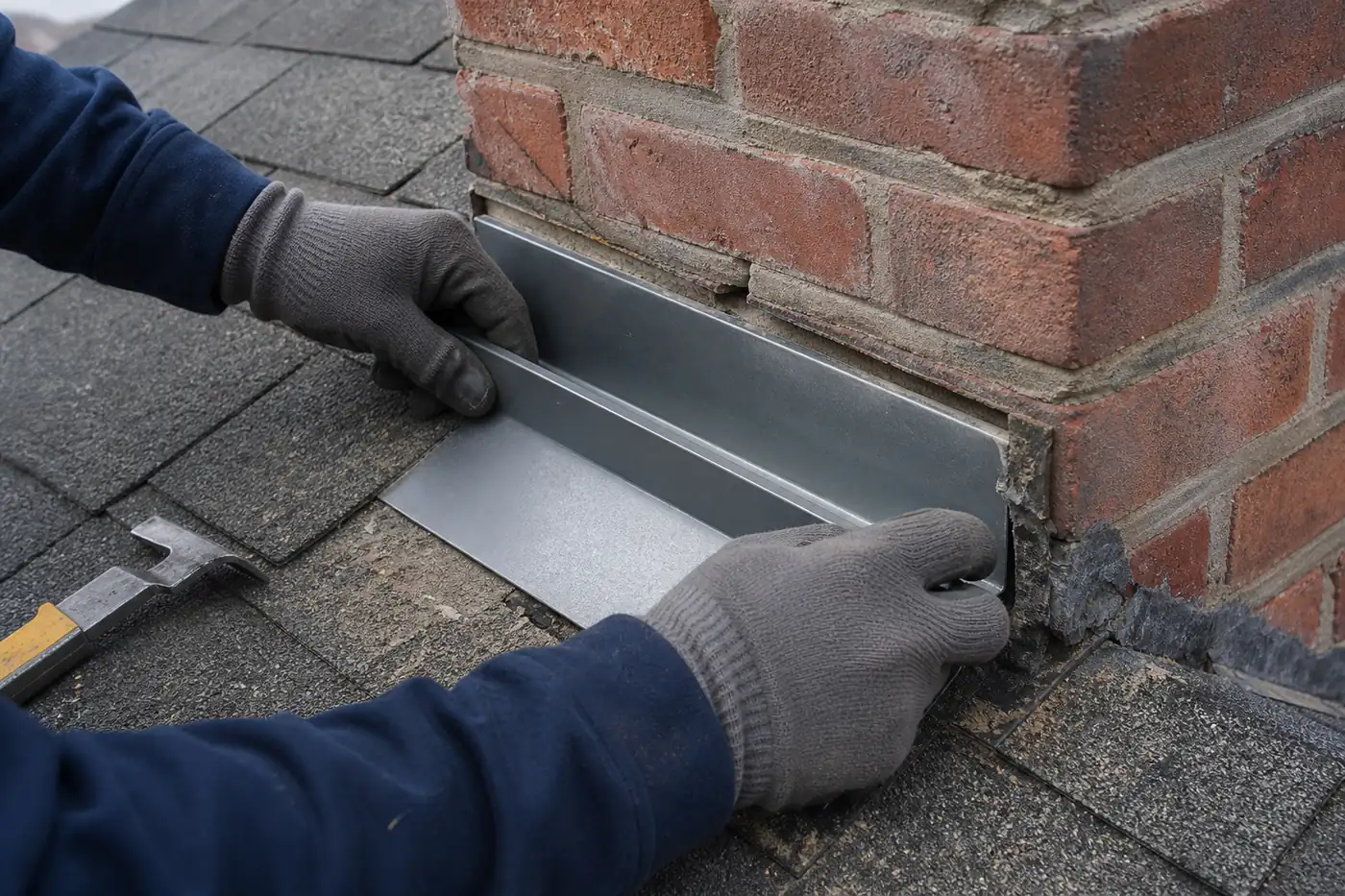
Chimney Flashing Repair
$200–$2,500
Inspect-first service with photo documentation and a written scope before work.
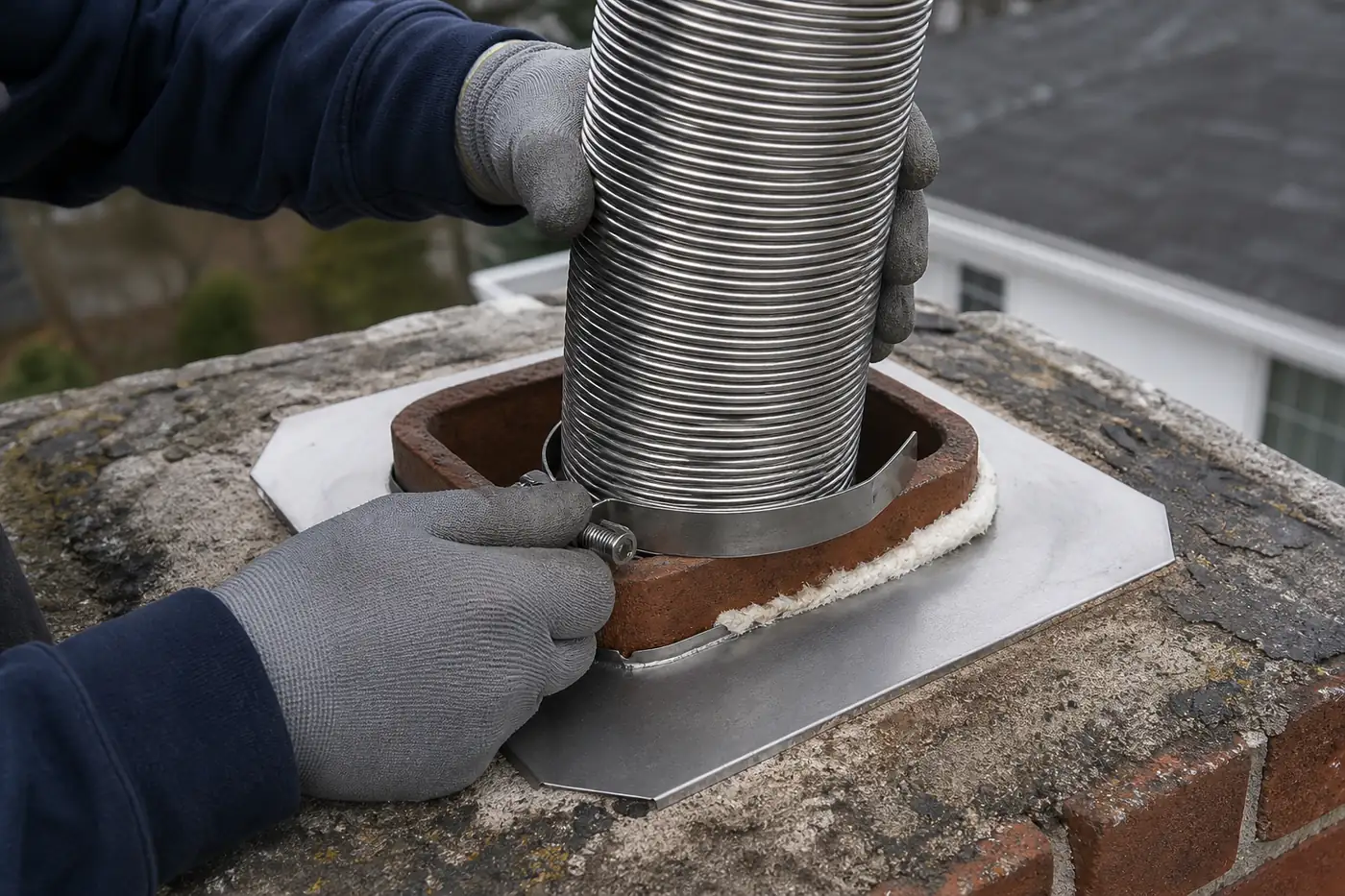
Chimney Liners & Relining
$1,200–$4,500
Inspect-first service with photo documentation and a written scope before work.
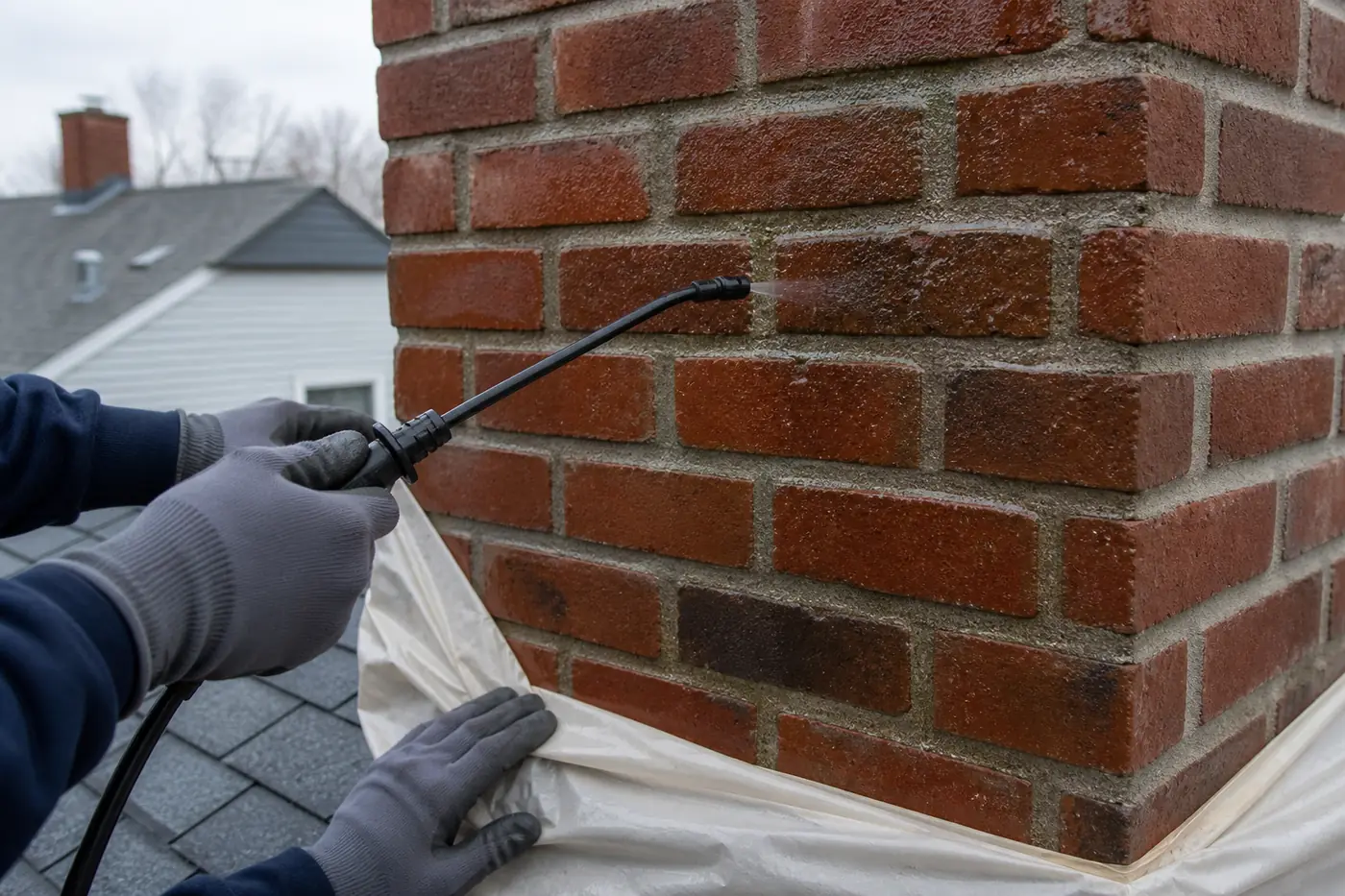
Chimney Waterproofing
$300–$800+
Inspect-first service with photo documentation and a written scope before work.
Creosote Removal
$299–$700+
Inspect-first service with photo documentation and a written scope before work.
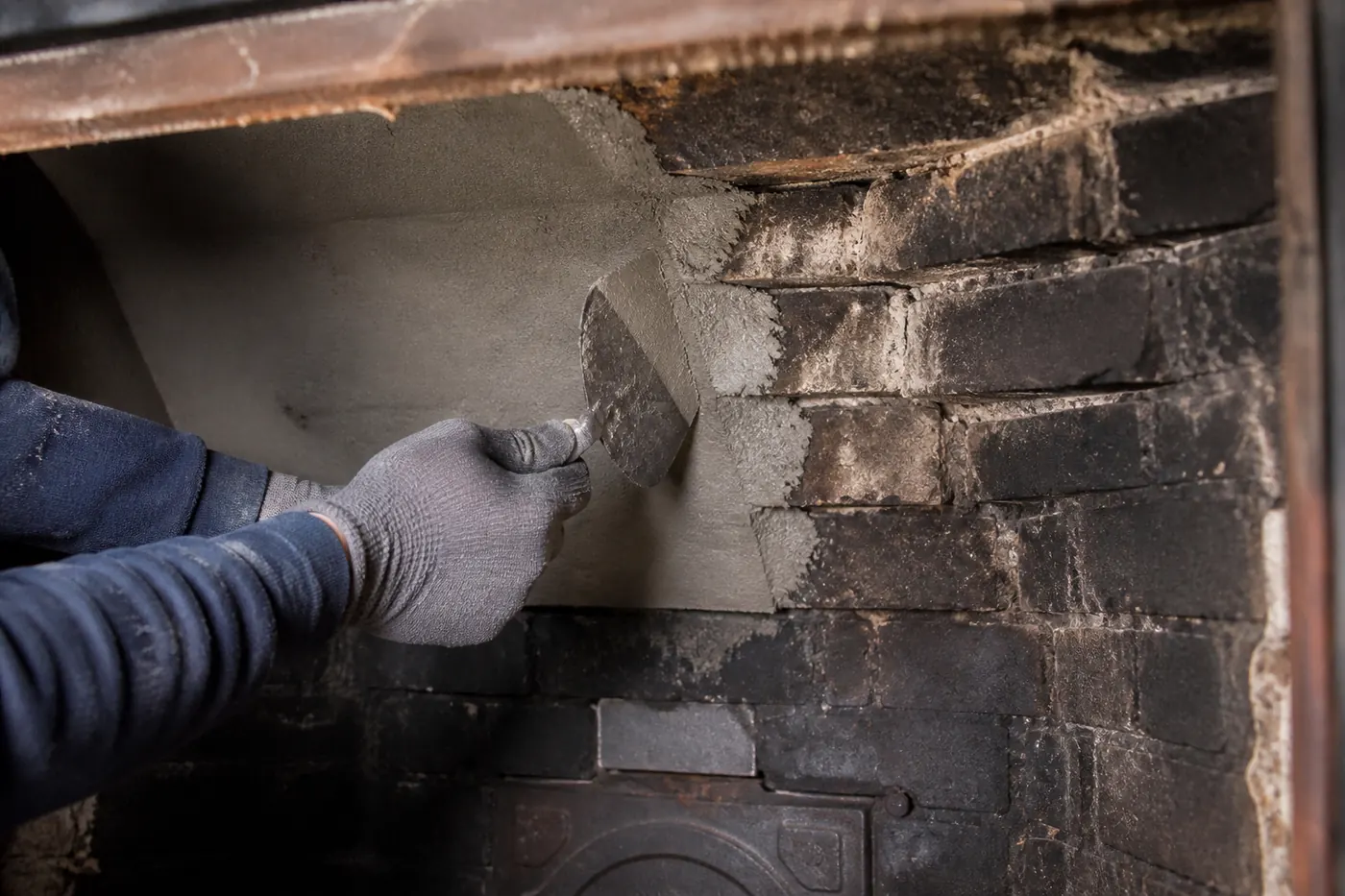
Smoke Chamber Repair
$500–$1,500
Inspect-first service with photo documentation and a written scope before work.
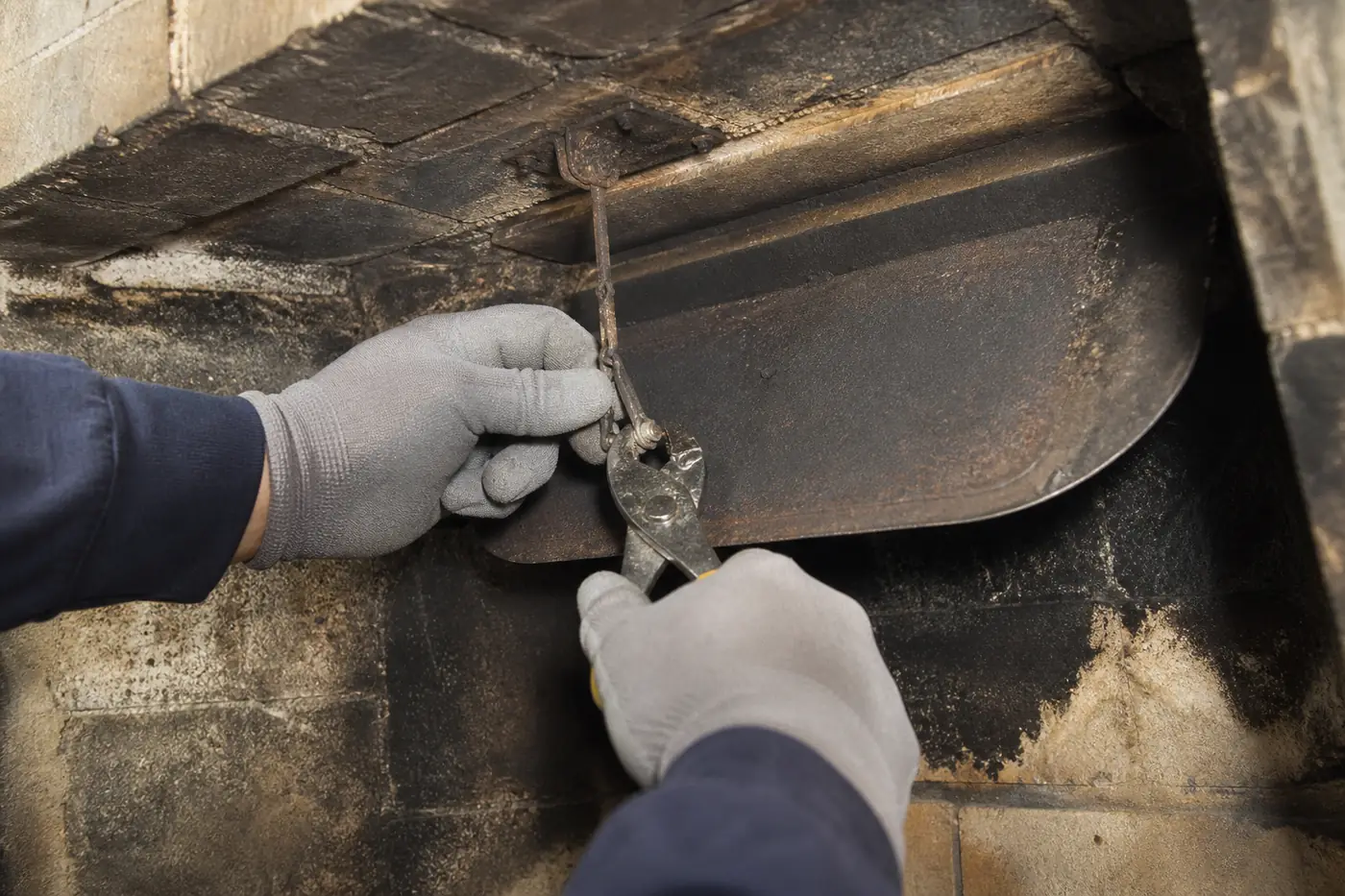
Chimney Damper Repair
$199–$1,200
Inspect-first service with photo documentation and a written scope before work.
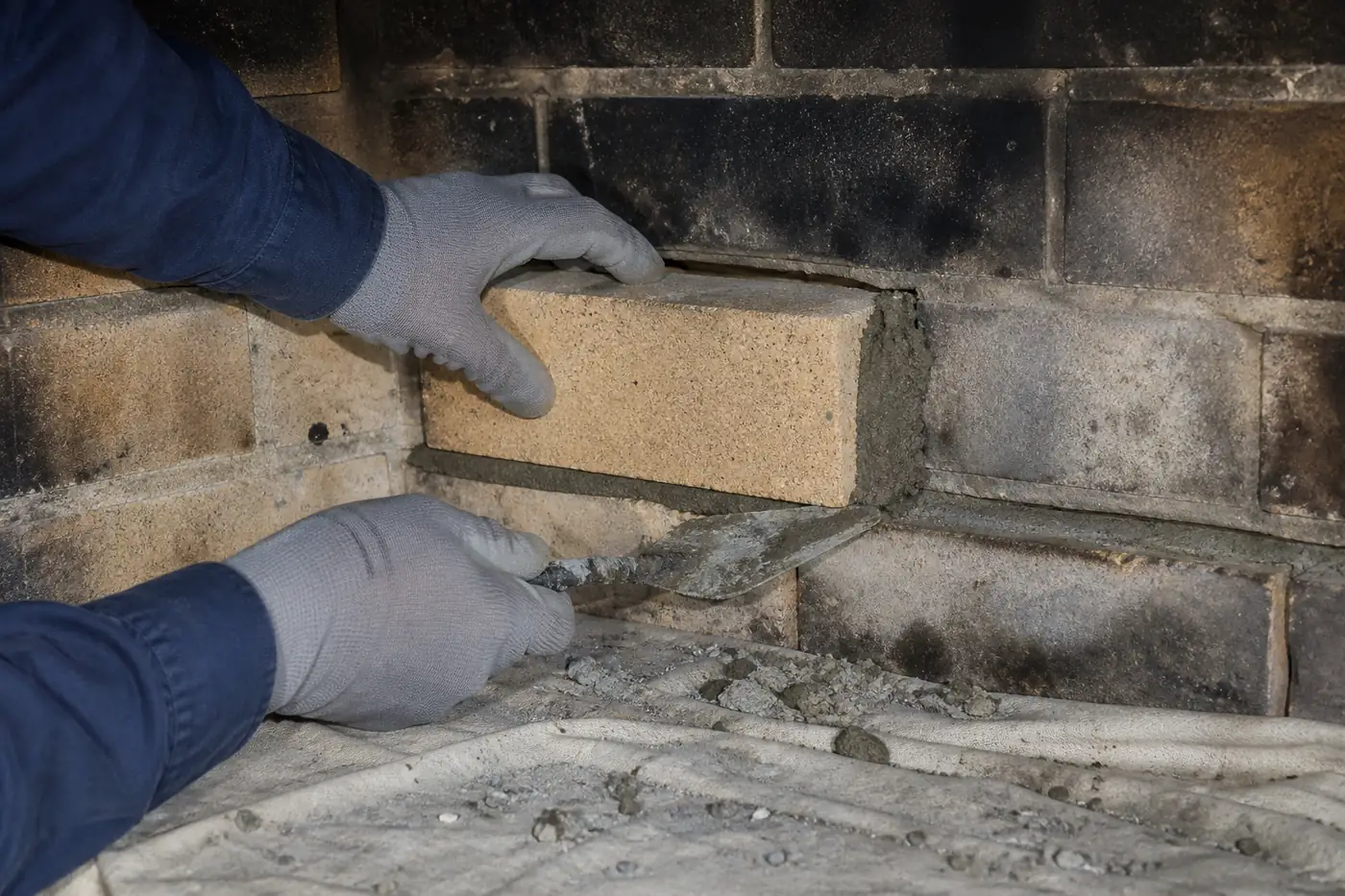
Firebox Repair
$350–$900
Inspect-first service with photo documentation and a written scope before work.
Masonry Repair
$300–$2,500+
Inspect-first service with photo documentation and a written scope before work.
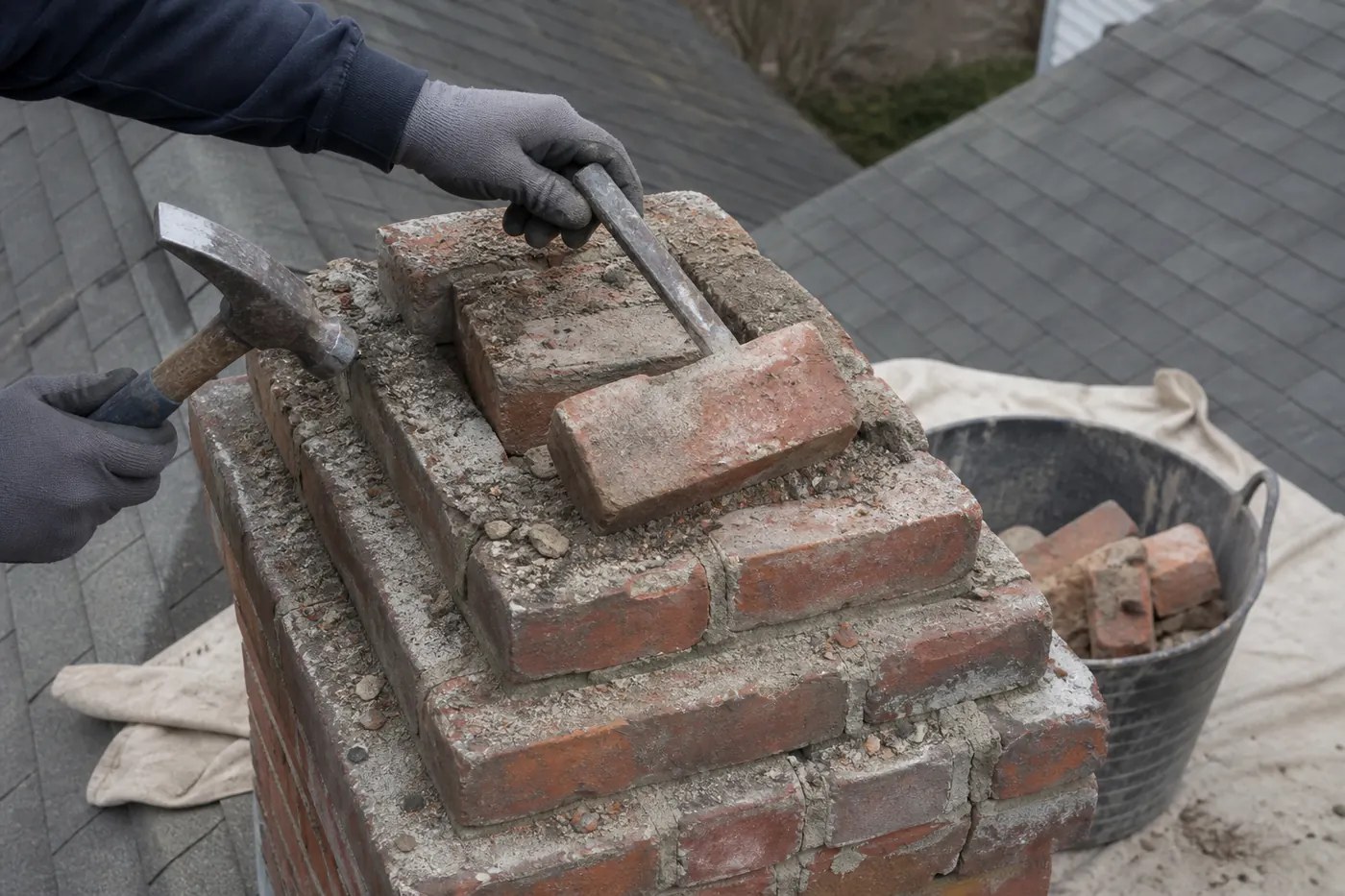
Chimney Removal
Priced by inspection
Inspect-first service with photo documentation and a written scope before work.
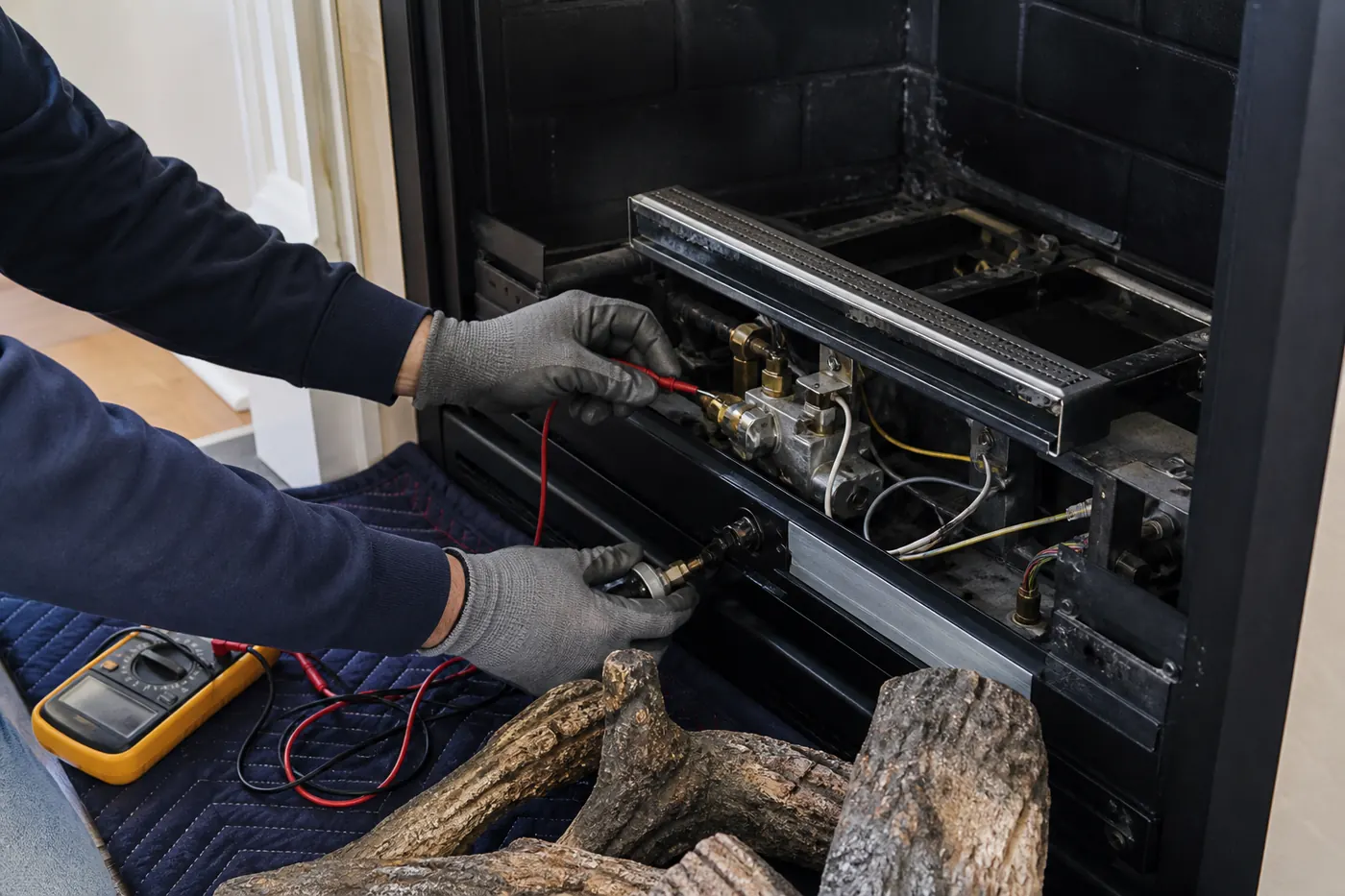
Fireplace & Gas Fireplace Repair
$299–$1,500
Inspect-first service with photo documentation and a written scope before work.
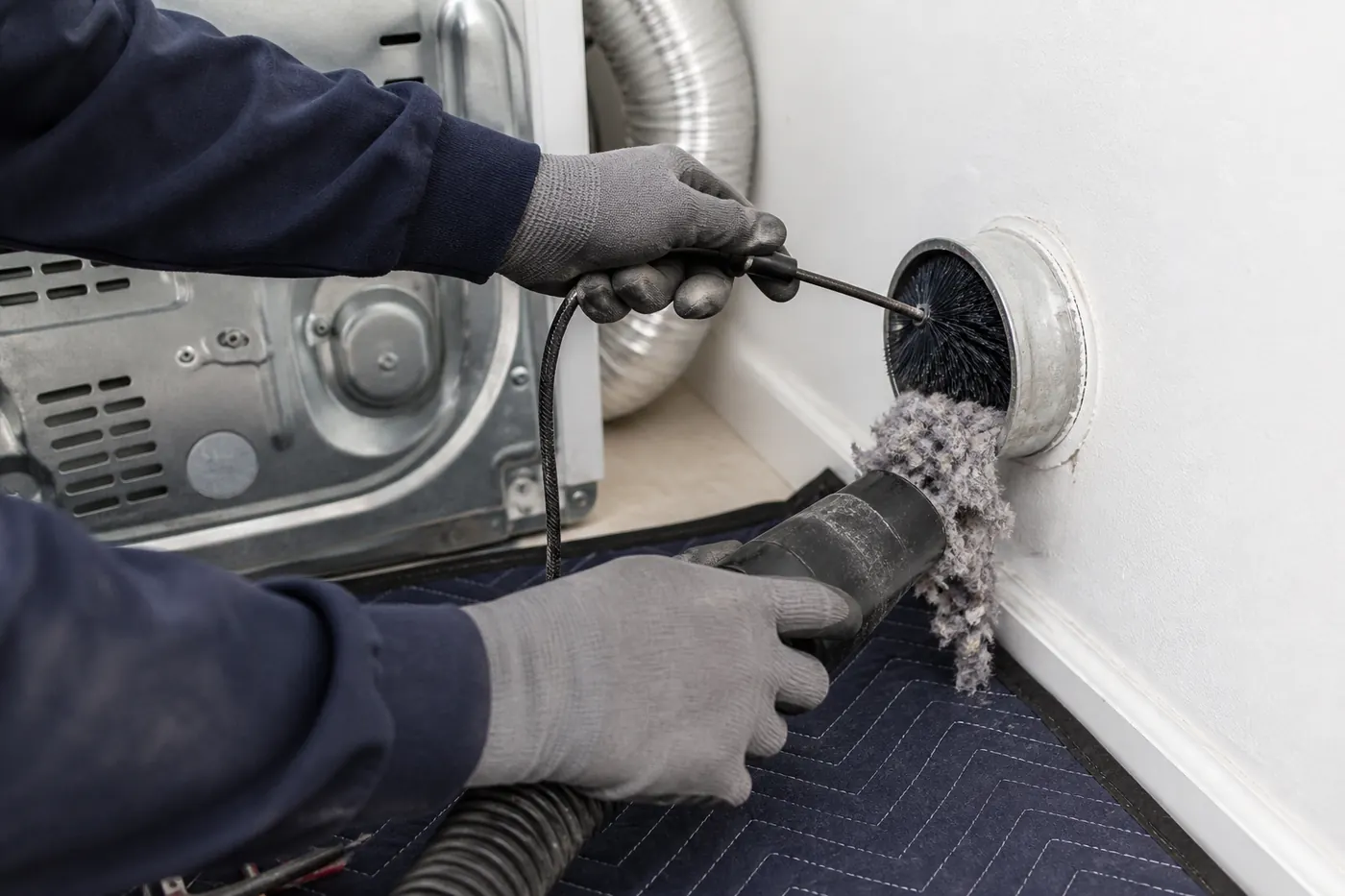
Dryer Vent Cleaning
$99
Inspect-first service with photo documentation and a written scope before work.
Chimney Leak Diagnosis & Repair
$400–$3,000
Inspect-first service with photo documentation and a written scope before work.
Consistent Greater Boston pricing
| Cleaning + inspection | $299 |
|---|---|
| General inspection | $49, credited toward approved repair work |
| Buyer/seller inspection | $99 |
| Leak repair | $400–$3,000 |
How water problems are traced in Burlington
Wind-driven rain can enter at a cap, crown, open joint, flashing transition, or chase cover. In Burlington, the indoor stain may appear below or beside the actual opening because water follows masonry, sheathing, framing, or a sloped roof surface. Diagnosis therefore moves from the highest drainage surfaces toward the observed interior evidence.
The inspection starts with the homeowner's timeline: the room where moisture appeared, storm direction, whether the symptom occurs during every rain, and whether snow or ice was present. Exterior review then covers the cap, crown, termination, upper masonry, wall faces, flashing, cricket or back pan, and roof drainage above the chimney.
Where an attic, chase, or interior cleanout is safely accessible, it may reveal a path that is invisible from the roof. Old stains are documented separately from active moisture. If several openings are plausible, the recommendation can begin with a focused correction or further testing instead of selling every possible repair at once.
A broad water-repellent treatment is not presented as a substitute for open mortar, spalled brick, failed flashing, or a cracked crown. Physical defects are repaired first; a breathable masonry treatment may be considered only for suitable sound surfaces after repairs cure.
Seasonal planning in Burlington
Late summer and early fall are useful times to schedule routine sweeping and inspection before heavy fireplace use. Exterior masonry work is easier to plan when surfaces are dry and temperatures support preparation and curing. Winter visits can still diagnose many problems, but snow or ice may limit roof access.
Spring review is useful after freeze–thaw exposure, especially when fragments, new cracks, rust streaks, or interior stains appeared during winter. A prompt inspection does not mean every condition needs immediate reconstruction; it establishes whether the change is cosmetic, repairable, or a safety and water-entry concern.
Homeowners can help by preserving prior reports, noting the timing of symptoms, keeping the hearth area accessible, and identifying appliance or renovation changes. That information makes the visit more efficient and supports a narrower, more accurate scope.
Questions Burlington homeowners ask
Do you service gas inserts in Burlington split-levels?
Yes. A gas insert vents through a liner that has to be sized to the appliance and inspected for corrosion and blockage. We check the connection at the insert, the liner, and the termination on the roof, and we report anything that does not meet the appliance requirements.
What does the $299 chimney cleaning include in Burlington?
The $299 cleaning includes a full sweep of the flue, smoke chamber, and firebox, plus a Level 1 inspection with photos. You get a written summary of the condition. Any recommended repairs are priced separately in writing before any work is done.
How does the $49 inspection credit work?
Book the $49 inspection and you receive a Level 1 inspection with photos and a written report. If you approve repair work from that report, the $49 is credited toward the repair. If the chimney needs nothing, the fee covers the inspection.
How often should I have my Burlington chimney inspected?
Once a year, regardless of whether you burn wood or gas. Wood fireplaces in regular use usually need a sweep annually. Gas fireplaces and furnace flues need sweeping less often but still need the yearly inspection to catch corrosion, blockage, and liner problems.
What happens if the inspection finds a cracked crown?
The technician photographs it and explains what it means for the rest of the chimney. You receive a written price for the crown repair or replacement before anything is done. You can approve it during the visit or take the report and decide later.
What are your hours and how does the appointment work?
We schedule Monday to Friday from 8 am to 8 pm and Saturday and Sunday from 8 am to 5 pm. When you book, you receive a three-hour arrival window and a confirmation call before the technician heads out to your Burlington home.