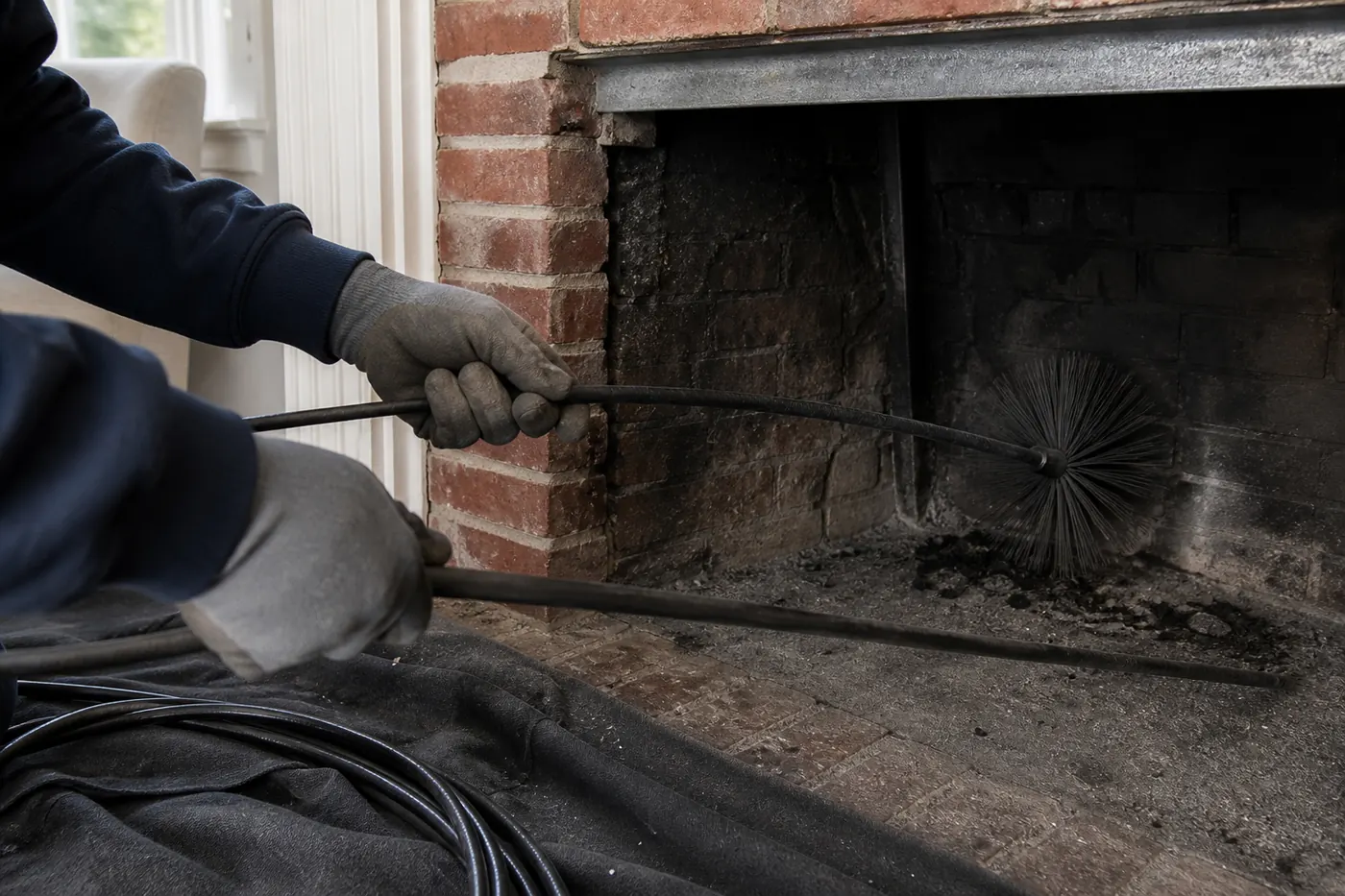
Chimney Sweep & Cleaning
$299
Inspect-first service with photo documentation and a written scope before work.
Chimney Experts Boston serves homeowners throughout Middlesex County with one price structure and one inspection standard, no matter which town you call from. The county's housing covers every construction period, so a single week can include soft old brick with lime mortar, mid-century masonry with clay liners, and newer homes with factory-built metal chimneys in a framed chase. The technician confirms the type, the connected appliance, and any past alterations at the appointment, because that is what determines the correct repair.
The $299 cleaning includes a full sweep and a Level 1 inspection with labeled photos. The standalone $49 inspection is credited toward any repair work you go on to approve. Every repair is priced in writing before it begins, and no work proceeds without your approval. Call (617) 404-9587 or book online for service anywhere in Middlesex County.
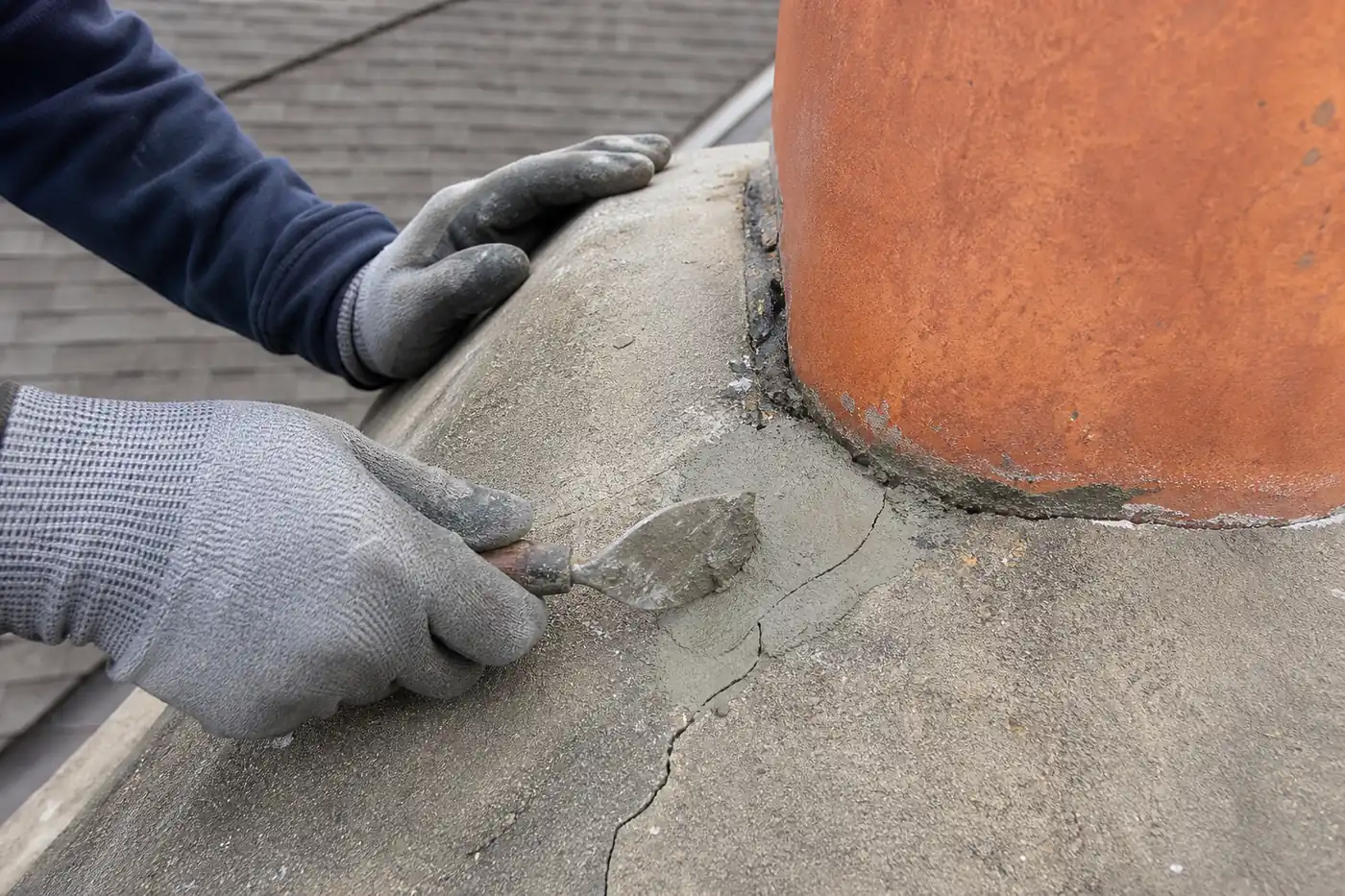
Inland New England weather works on every chimney in Middlesex County in the same way: water gets in through a cracked crown, an eroded joint, or open flashing, then expands when it turns to ice and pushes the masonry apart. Older soft brick shows this first as spalled faces and recessed joints near the top of the stack. Newer machine-made brick lasts longer but still depends on a sound concrete crown; a thin mortar wash in its place cracks within a few seasons. Repointing, brick replacement, and crown rebuilding are the most common exterior repairs across the county.
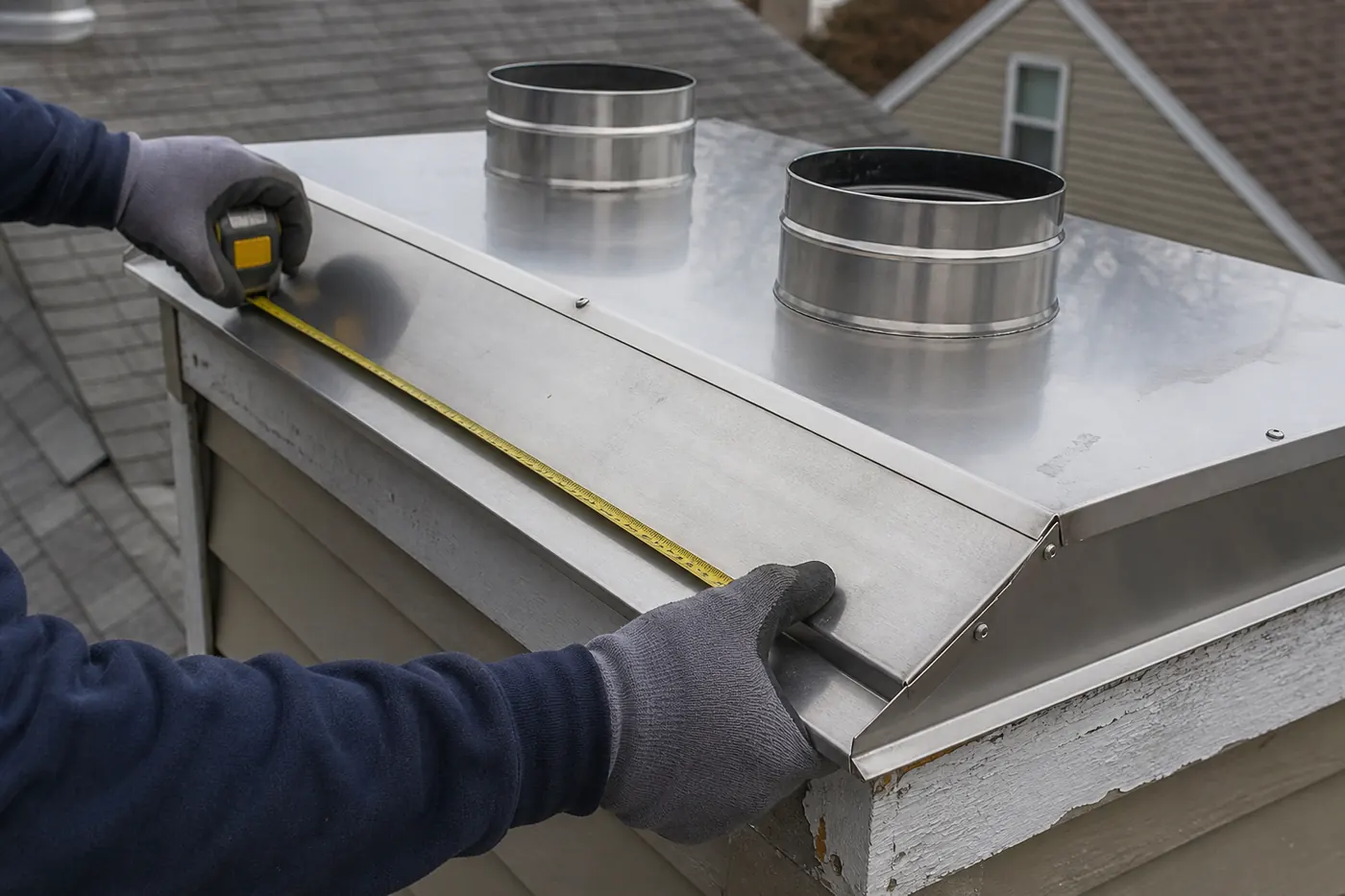
The interior findings depend on what the chimney vents. Wood-burning fireplaces accumulate creosote in the smoke chamber and along the flue, and a Level 1 inspection after sweeping shows whether the clay liner tiles are cracked or offset. Gas furnaces, boilers, and water heaters connected to old brick flues produce cool, wet exhaust that condenses and dissolves mortar from the inside, and an oversized flue makes that worse; a stainless liner sized to the appliance is the standard correction. Factory-built chimneys inside a framed chase fail at the chase cover and at the flashing more than anywhere else.
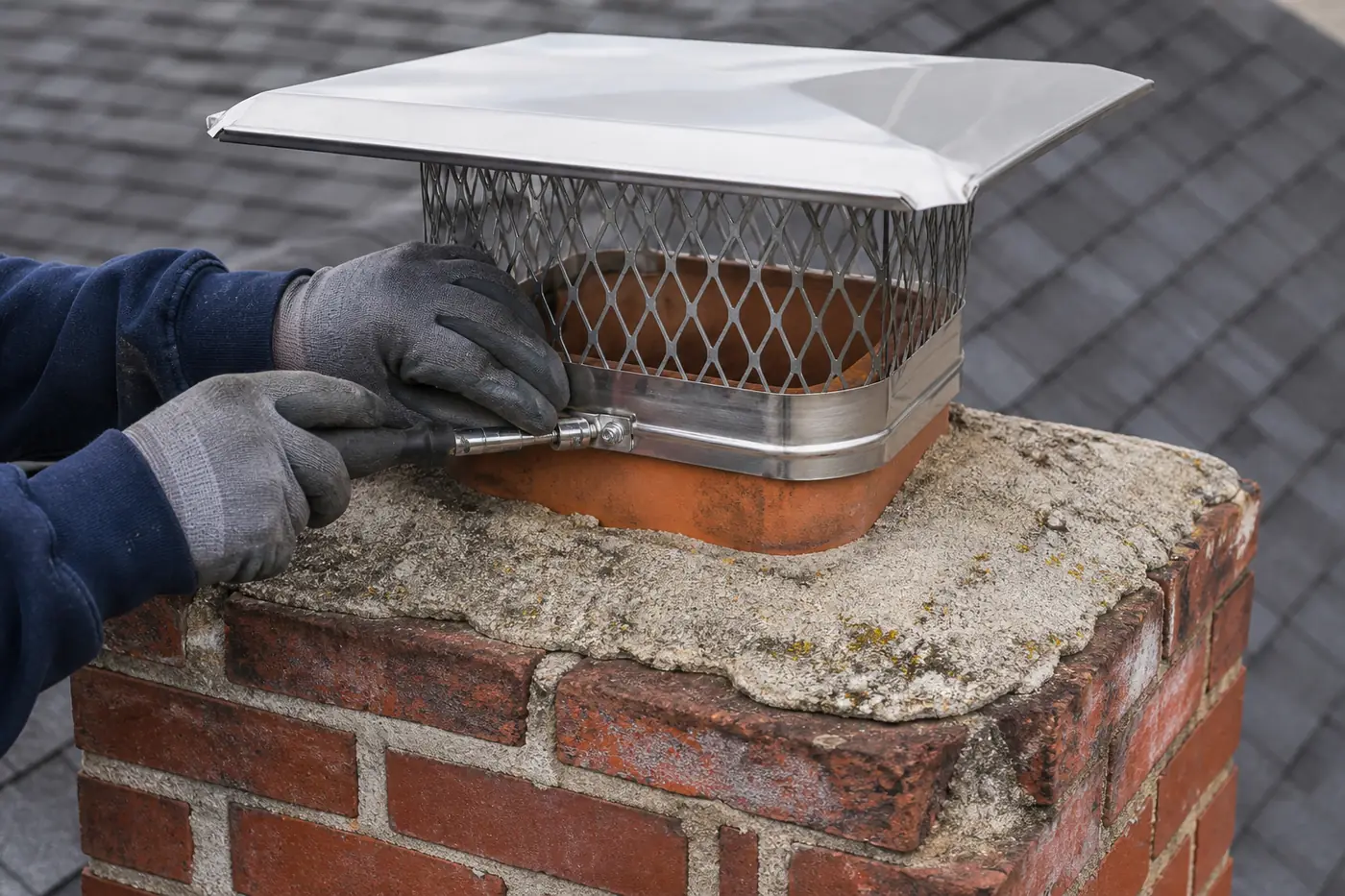
The inspection identifies the connected appliance and fuel, then documents the firebox, damper, smoke chamber, flue passage, exterior masonry or chase, crown or chase cover, cap, and roof interface, with photos labeled by location. Anything hidden by height, weather, or construction is reported as a limitation rather than assumed. The written quote names the failed component, the evidence, the repair method, the material, and the price, and it separates a surface repair from a rebuild so you can compare like with like. Work starts only after your written approval.
Our Middlesex County coverage includes a broad service area running from dense inner-ring communities through Route 128 suburbs and MetroWest to Merrimack Valley municipalities. The community list on this page defines the service area; it does not imply that every property shares one age, material, or chimney design.
Appointments may involve urban multifamily access, wooded suburban lots, steep older roofs, additions, and larger-lot properties. Before exterior work is priced, the inspection records height, roof pitch, safe approach, adjacent surfaces, utility conflicts, and whether staging or a different access method is needed.
Homeowners in Framingham, Natick, Newton, Wilmington, Burlington, Lowell, and the other listed communities receive the same published Greater Boston pricing framework. The final proposal changes only when the observed component, quantity, access, material, or preparation changes—not because one municipality is given a different unexplained rate.
Across Middlesex County, exterior chimneys encounter inland freeze–thaw exposure, wind-driven rain, snow accumulation, and drainage differences across varied roof forms. Those conditions can expose weak mortar, cracked crowns, open flashing, corroded chase covers, and masonry that absorbs water through otherwise sound-looking faces.
Water diagnosis starts with the storm and symptom timeline, then evaluates the roof drainage path, cap, crown, penetrations, wall faces, joints, flashing, and accessible attic or chase evidence. The visible stain is treated as an endpoint until the entry path is supported by evidence.
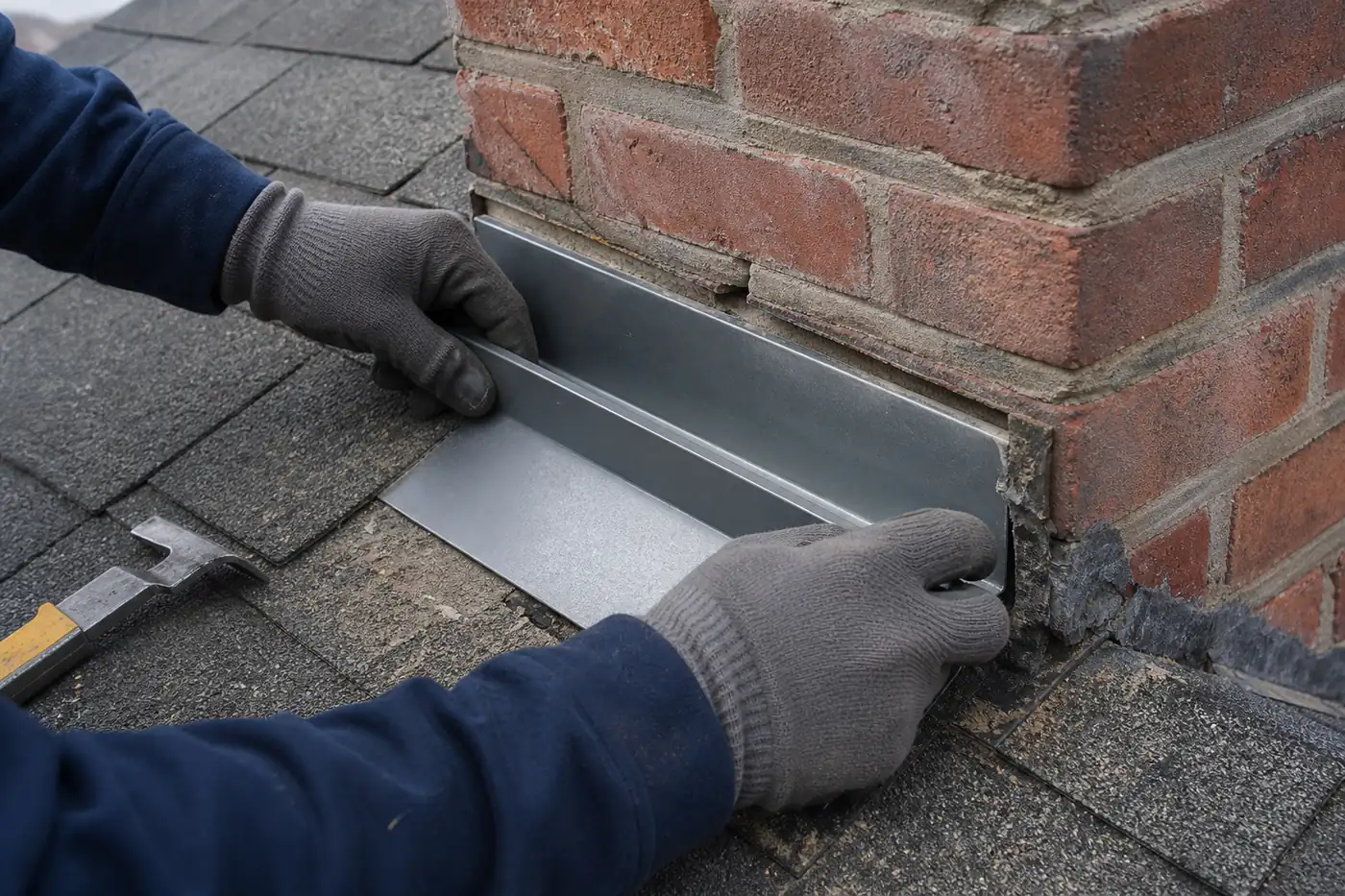
Sealant may correct a limited stable joint. Partial flashing replacement may be appropriate where the remaining assembly is sound. Full replacement rebuilds the water-shedding layers when the system has failed broadly. Likewise, masonry water repellent is considered only after open joints, damaged units, crown defects, and flashing openings are addressed.
Routine sweeping and inspection are easiest to plan before the first sustained cold weather. Exterior masonry and water-control projects need dry access and material-appropriate curing conditions. Winter visits may still document symptoms and interior conditions even when snow or ice limits roof access.
Spring is useful for reviewing new fragments, cracks, staining, rust, or moisture that appeared during winter. Summer provides a longer window for larger exterior scopes. After severe wind or a suspected chimney-fire event, inspection is based on the event rather than waiting for the usual maintenance season.
Scheduling uses a three-hour arrival window. Homeowners can prepare by keeping prior reports and appliance information available, clearing the hearth and relevant access points, and noting exactly when a symptom occurs.
Yes. The $299 cleaning with Level 1 inspection and the $49 standalone inspection are the same throughout Middlesex County. Repair pricing depends on the component and the amount of work, which is why every repair is quoted in writing after the inspection rather than estimated over the phone.
The $299 visit includes sweeping the flue, smoke chamber, and firebox, then a Level 1 inspection of the accessible interior and exterior of the chimney. The technician photographs and labels each area, reviews the pictures with you, and provides a written summary of anything that needs repair.
The $49 inspection is a standalone visit with labeled photos and a written report. If that report identifies a repair and you approve it in writing, the $49 is credited against the repair. If you decline or no work is needed, you pay only the $49.
Yes. Chimney Experts Boston inspects and services gas fireplaces and gas inserts, along with the flues that vent gas heating equipment. The inspection confirms the vent is correctly sized, continuous, and clear. Any repair, including a stainless liner, is priced in writing before work is scheduled.
Once a year for any chimney in use, whether it vents a wood fireplace, a stove, or gas equipment. Wood-burning flues also need sweeping at that interval or sooner with heavy use. After a severe storm or a suspected chimney fire, an inspection should be based on the event rather than the calendar.
When you call or book online, you choose a three-hour arrival window. The office confirms by phone before the appointment and the technician calls again when on the way. Hours are Monday to Friday 8 am to 8 pm and Saturday and Sunday 8 am to 5 pm.
$299
Inspect-first service with photo documentation and a written scope before work.
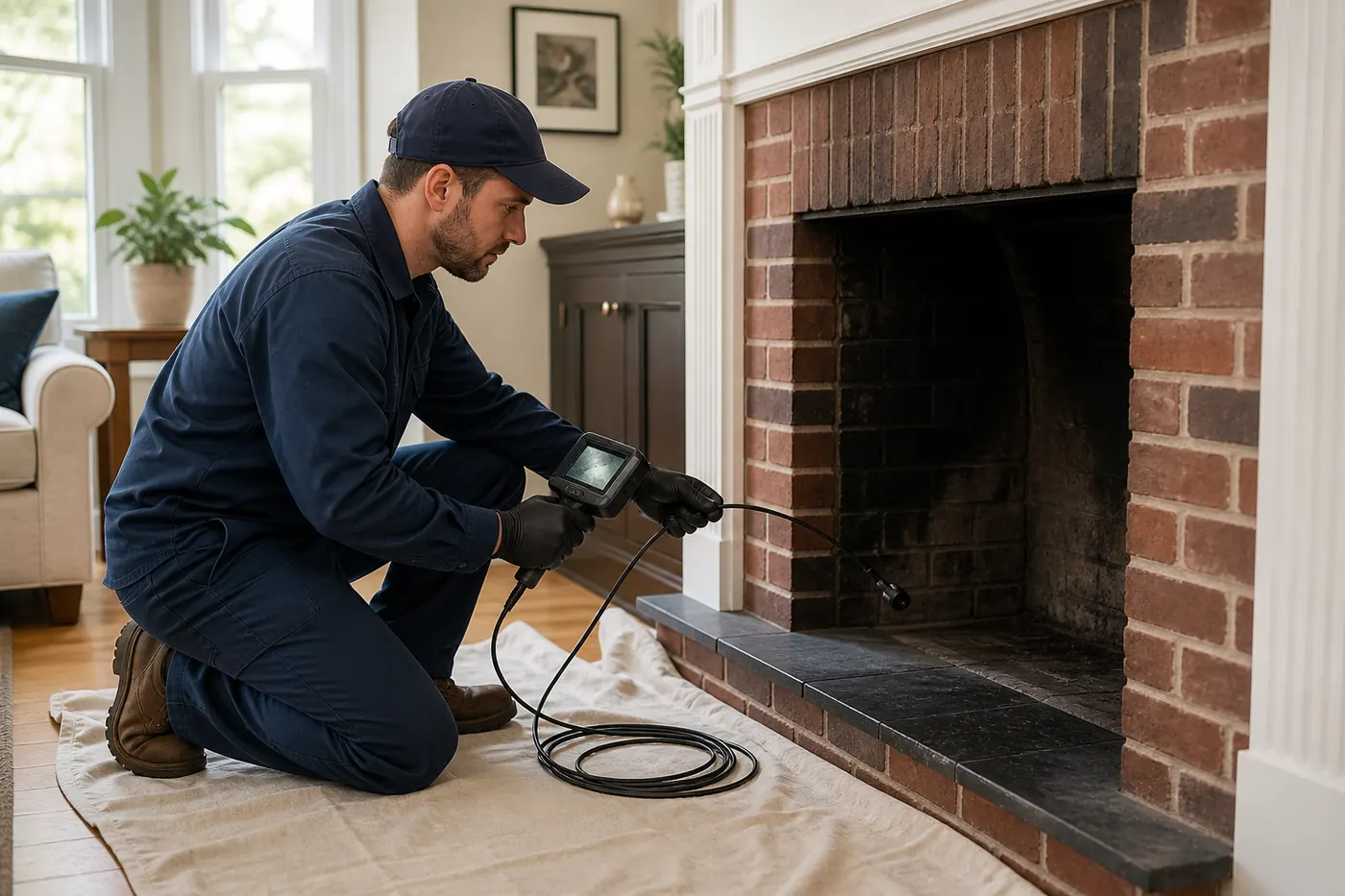
$49 / $99 / $299
Inspect-first service with photo documentation and a written scope before work.
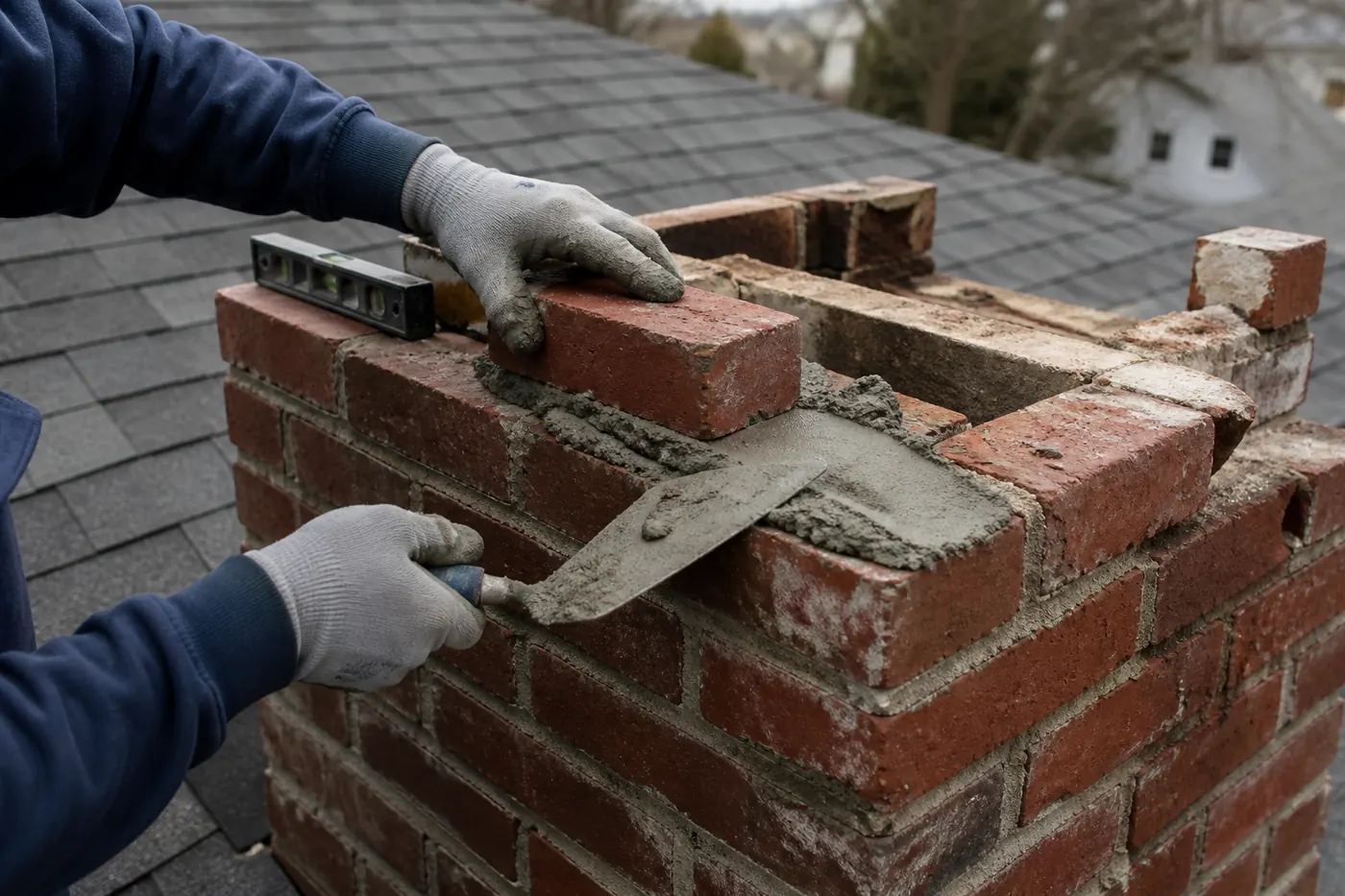
$300–$2,500+
Inspect-first service with photo documentation and a written scope before work.
$2,000–$10,000+
Inspect-first service with photo documentation and a written scope before work.
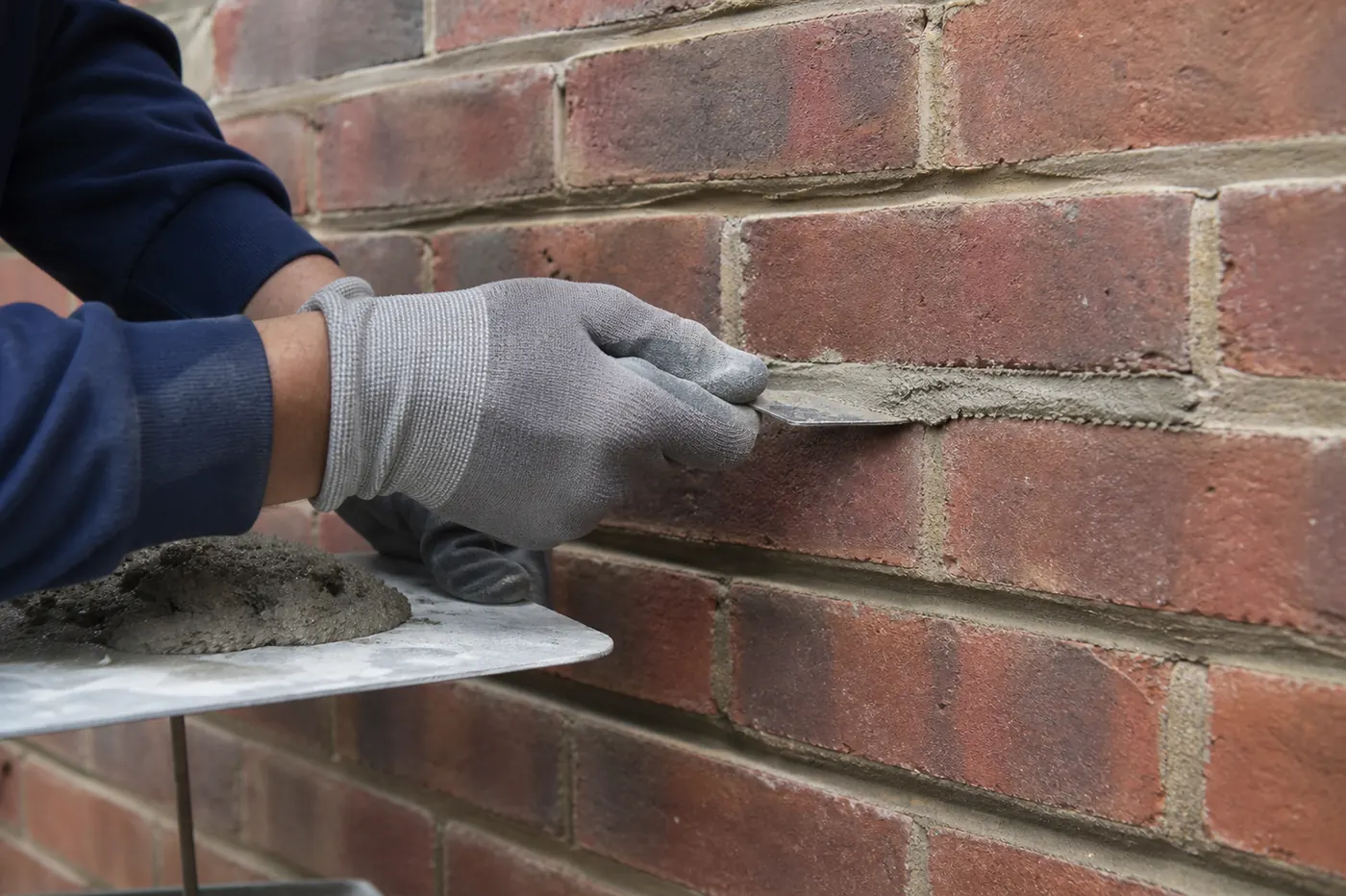
$300–$2,500
Inspect-first service with photo documentation and a written scope before work.
$300–$2,500
Inspect-first service with photo documentation and a written scope before work.
$300–$1,300
Inspect-first service with photo documentation and a written scope before work.
$800–$1,500
Inspect-first service with photo documentation and a written scope before work.
$200–$2,500
Inspect-first service with photo documentation and a written scope before work.
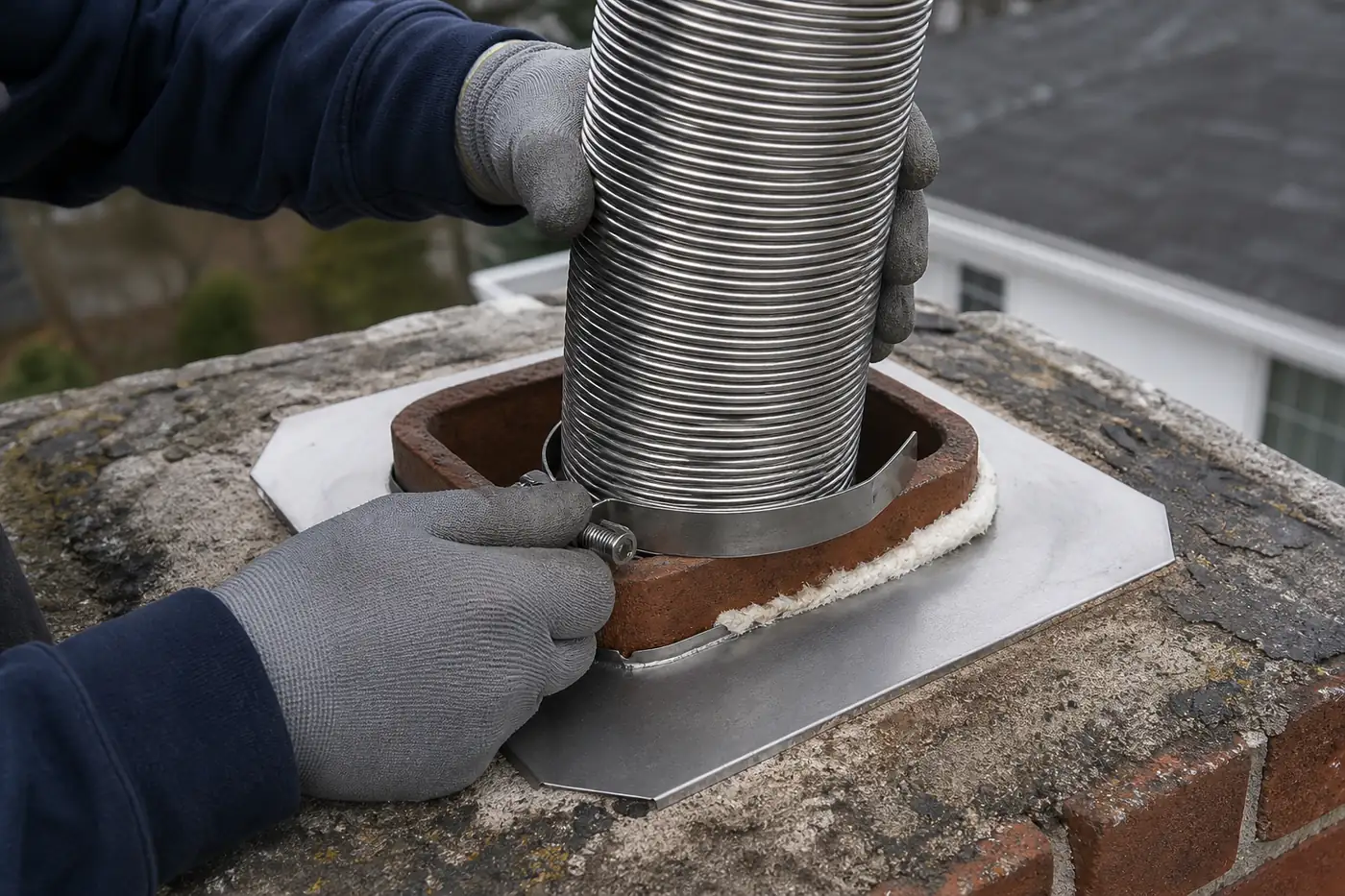
$1,200–$4,500
Inspect-first service with photo documentation and a written scope before work.
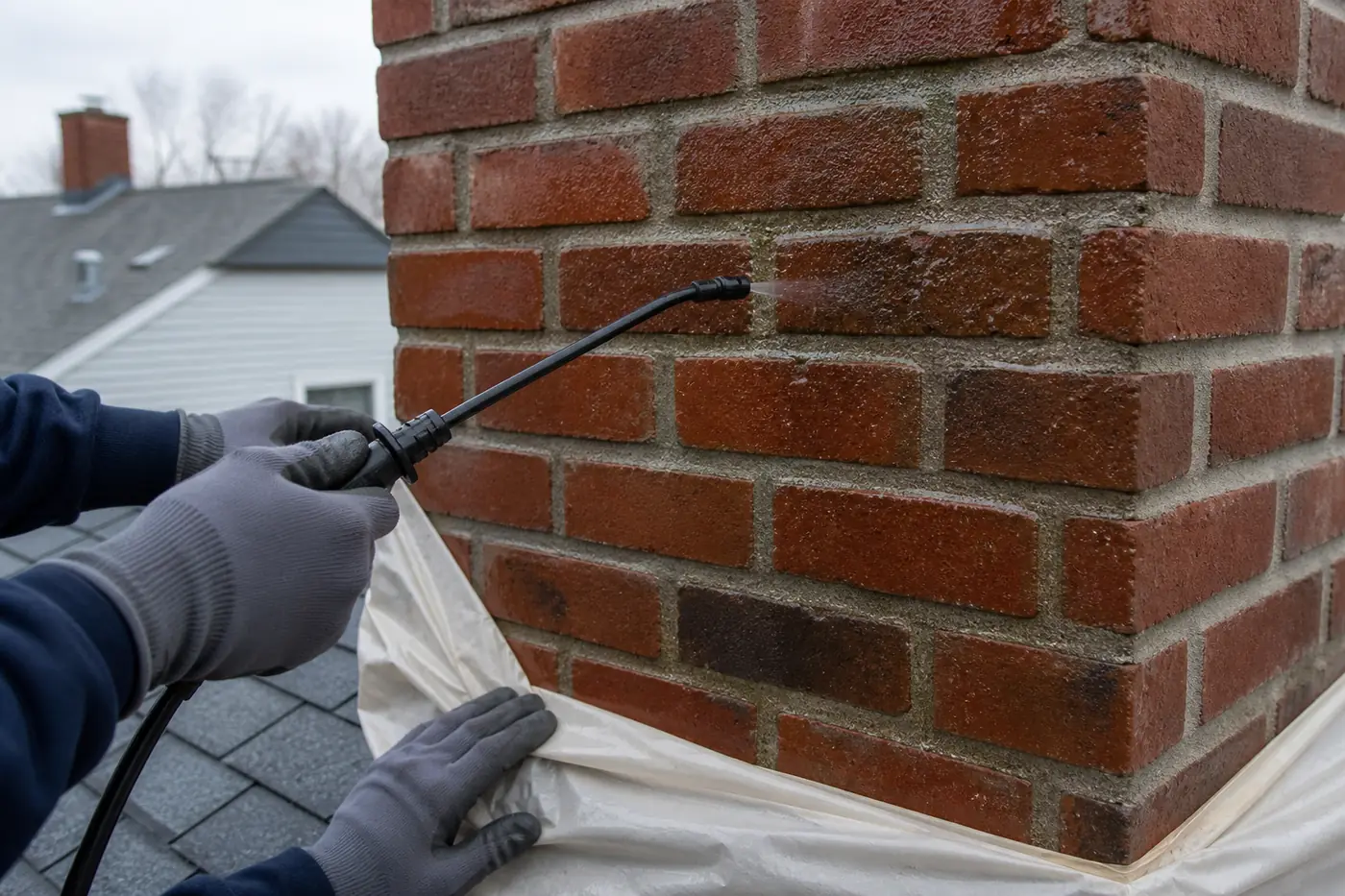
$300–$800+
Inspect-first service with photo documentation and a written scope before work.
$299–$700+
Inspect-first service with photo documentation and a written scope before work.
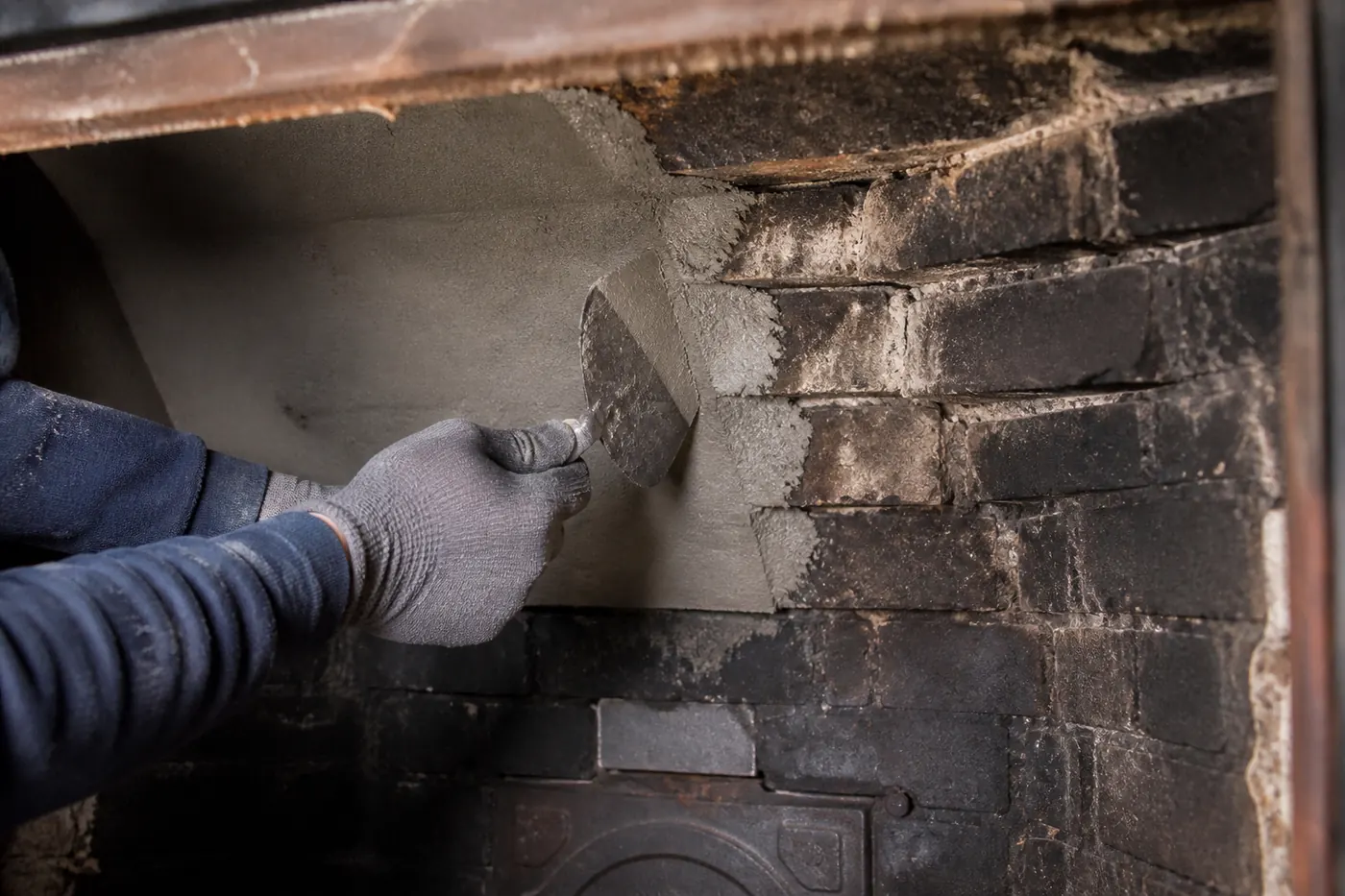
$500–$1,500
Inspect-first service with photo documentation and a written scope before work.
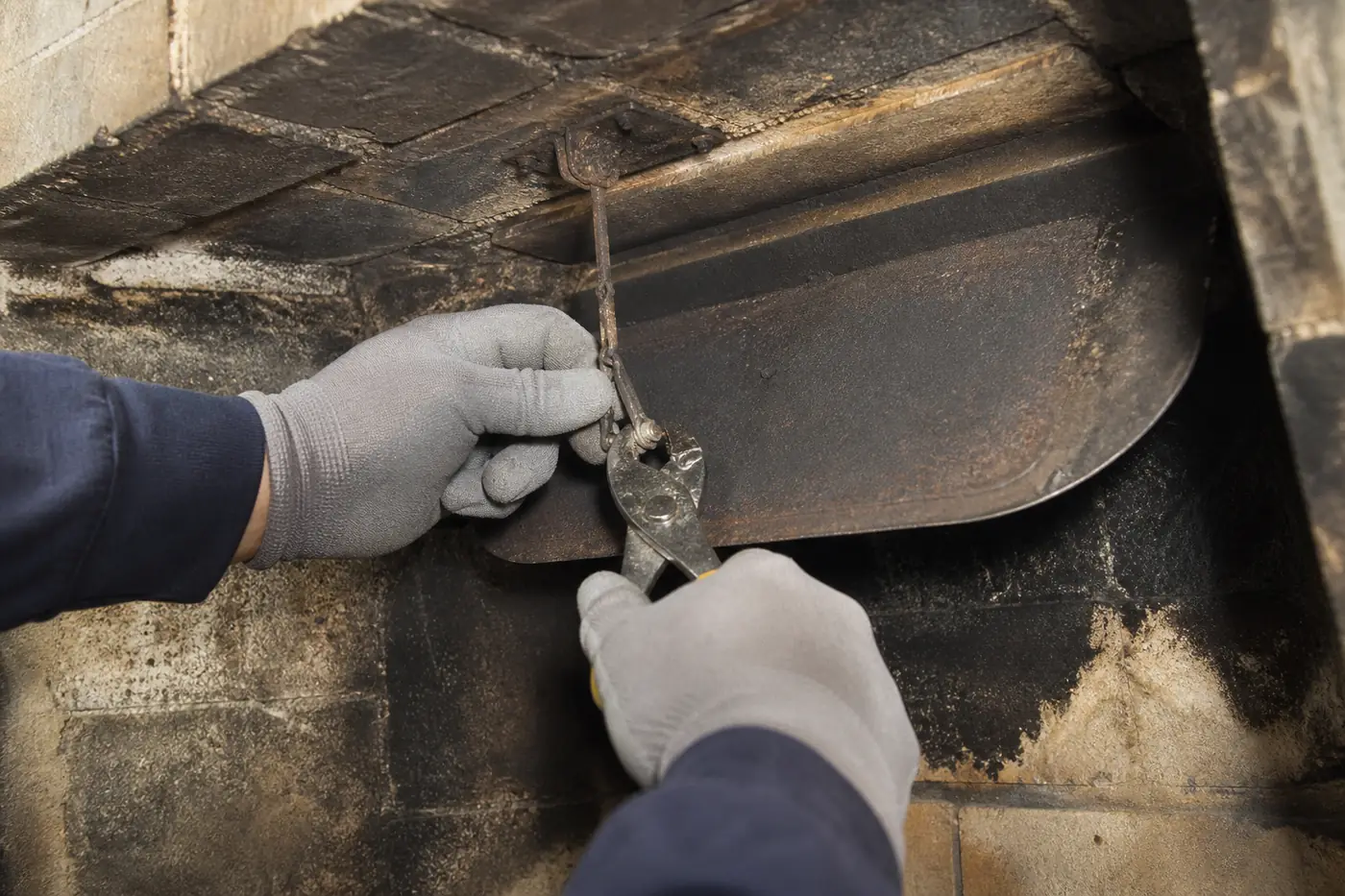
$199–$1,200
Inspect-first service with photo documentation and a written scope before work.
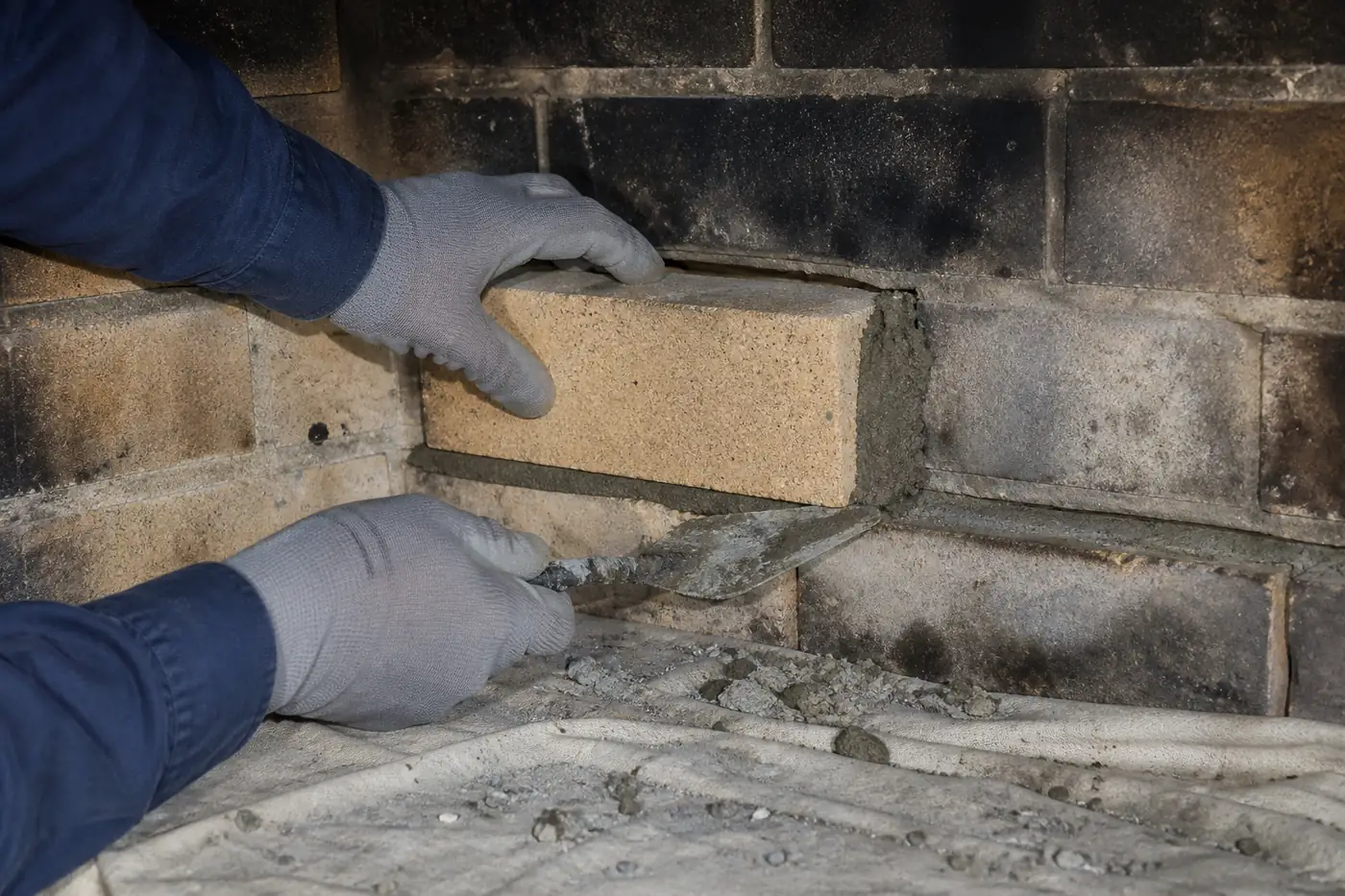
$350–$900
Inspect-first service with photo documentation and a written scope before work.
$300–$2,500+
Inspect-first service with photo documentation and a written scope before work.
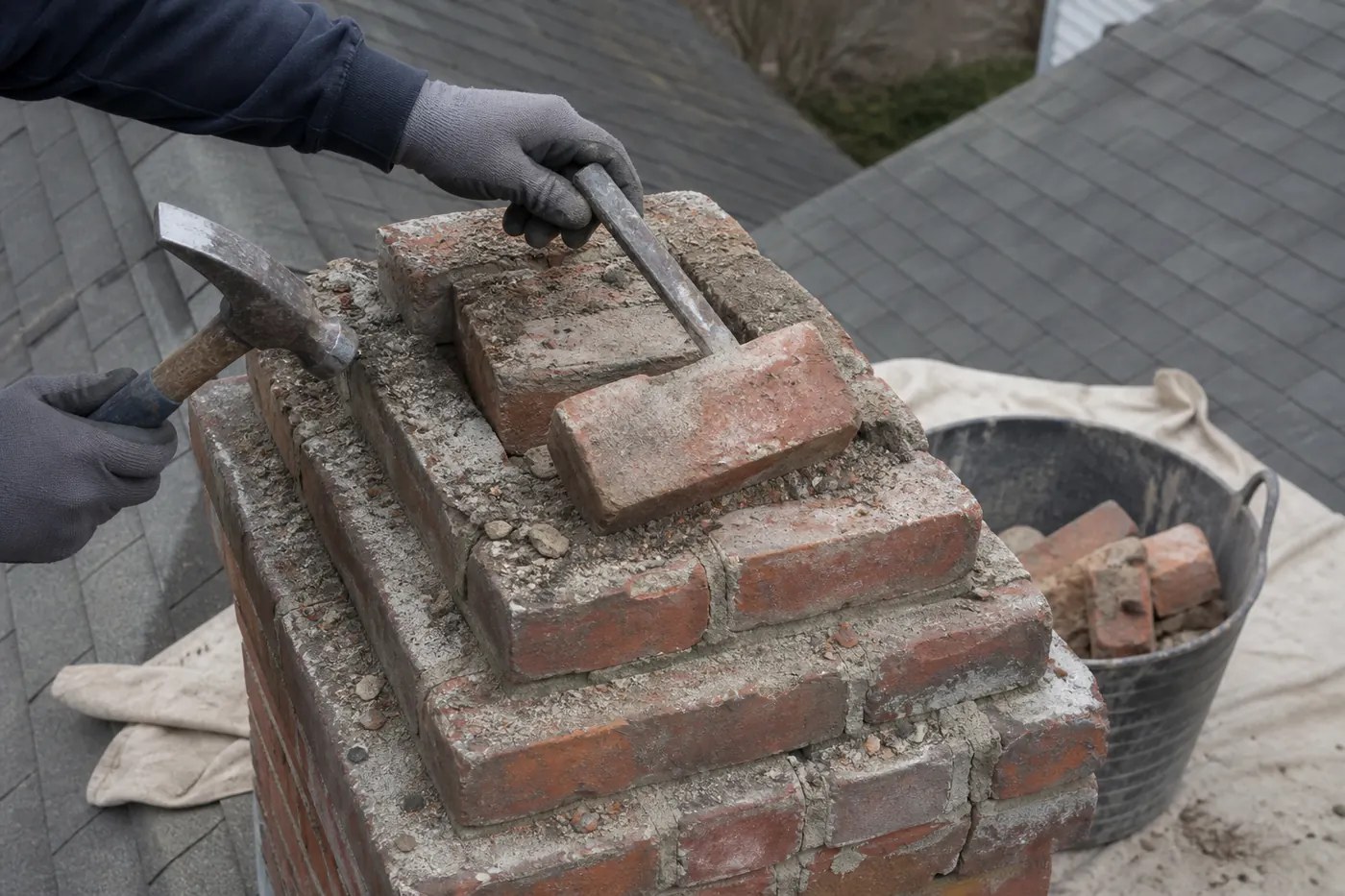
Priced by inspection
Inspect-first service with photo documentation and a written scope before work.
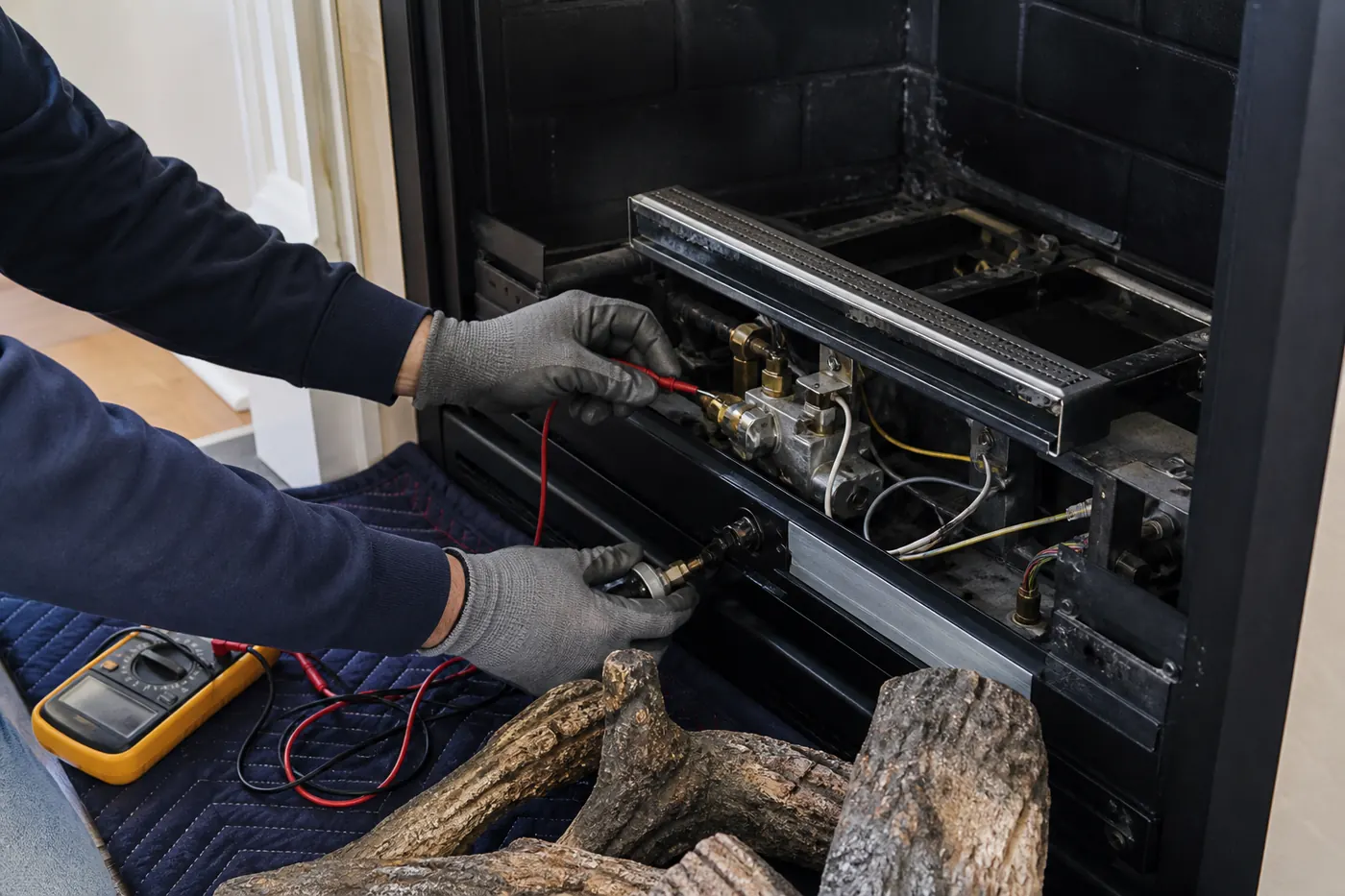
$299–$1,500
Inspect-first service with photo documentation and a written scope before work.
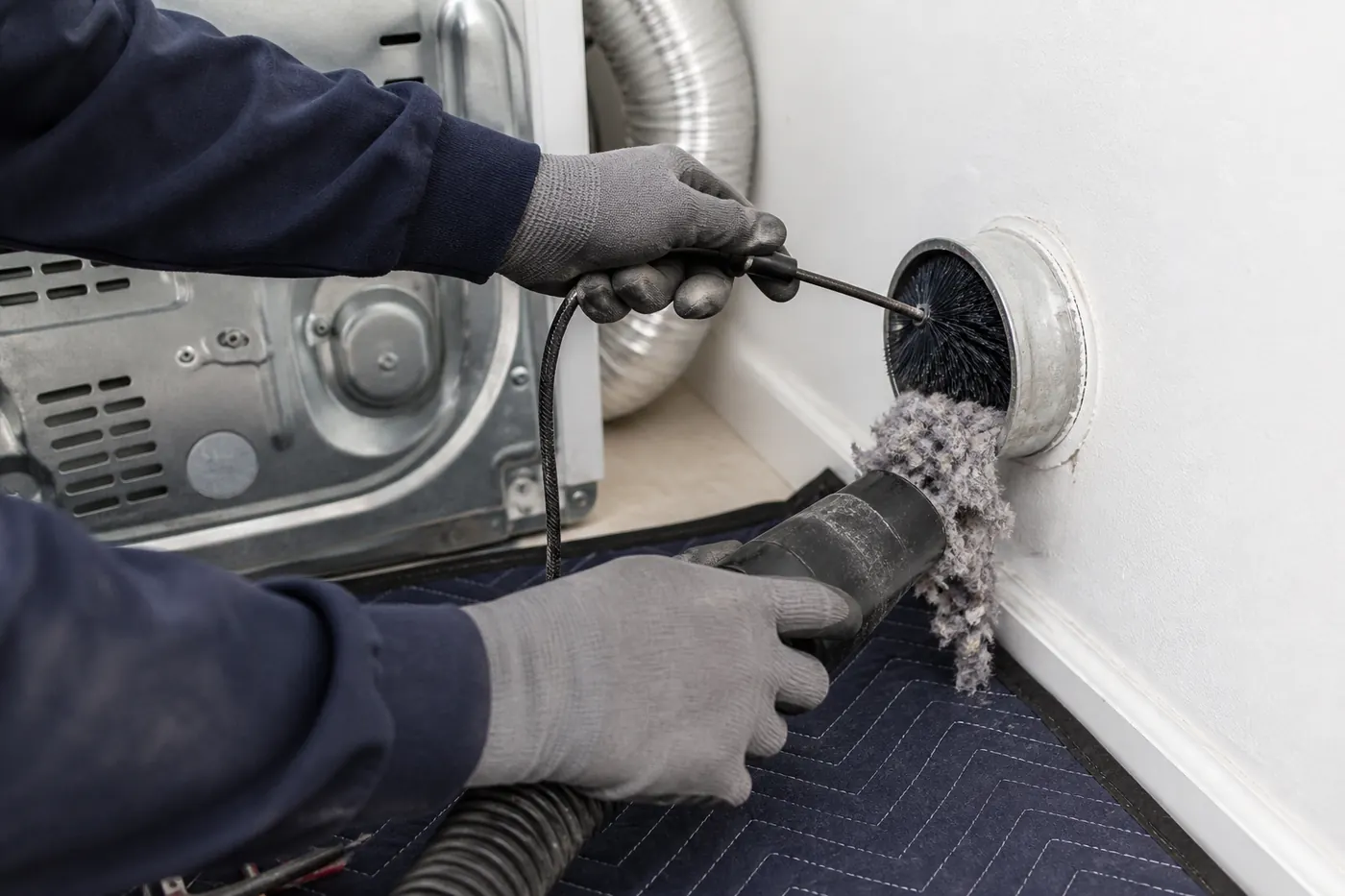
$99
Inspect-first service with photo documentation and a written scope before work.
$400–$3,000
Inspect-first service with photo documentation and a written scope before work.
Book the $49 inspection. The fee is credited toward approved repair work.