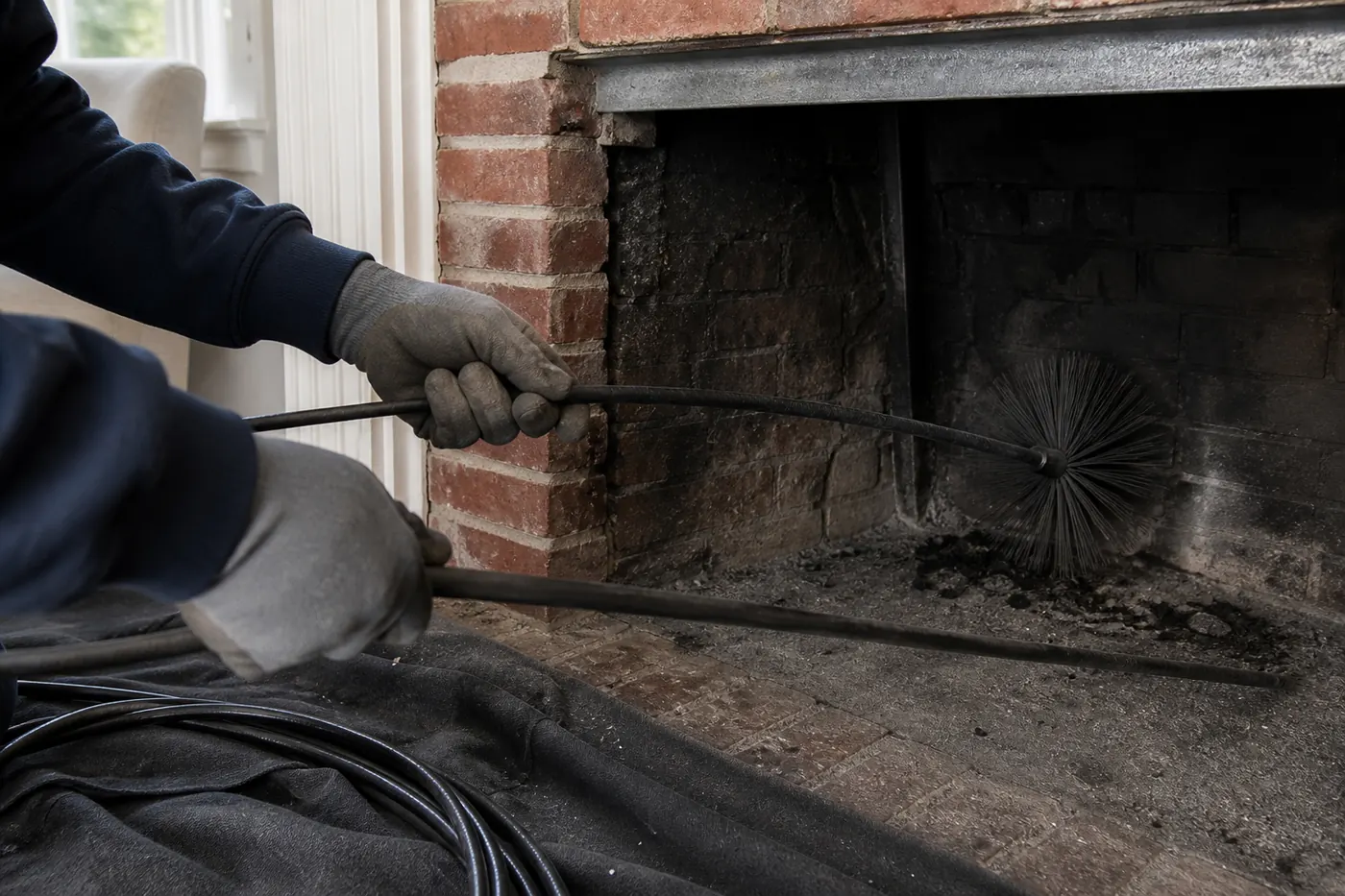
Chimney Sweep & Cleaning
$299
Inspect-first service with photo documentation and a written scope before work.
All approved prices are generated from the sitewide pricing source of truth.
Cleaning with inspection is $299. A general inspection is $49 and is credited toward approved repair work. Buyer or seller inspections are $99. A second opinion is free when the homeowner provides a written report from an established local chimney company.
| Creosote removal | Stage 1 $299–$450 · Stage 2 $450–$700 · Stage 3 from $700 |
|---|---|
| Caps and chase covers | Standard $300–$700 · Premium $800–$1,300 · Custom chase cover $800–$1,500 |
| Masonry repair | Basic $300–$700 · Standard $700–$2,500 · Major from $2,500 |
| Crown | Repair $300–$900 · Rebuild $900–$2,500 |
| Repointing | Partial $300–$700 · Full $700–$2,500 |
| Chimney rebuild | Partial $2,000–$4,500 · Full $4,000–$10,000+ |
| Waterproofing | Standard $300–$500 · With crown seal $500–$800 · Full system from $800 |
| Flashing | Repair $200–$400 · Partial $400–$800 · Full $800–$2,500 |
| Leak repair | $400–$3,000 |
| Liners and venting | Repair $1,200–$2,500 · Replacement $1,500–$4,500 · Venting from $2,000 |
| Gas fireplace | Cleaning $299 · Repair $299–$900 · Full gas kit $900–$1,500 |
| Firebox | $350–$900 |
| Damper | $199–$1,200 |
| Smoke chamber | $500–$1,500 |
| Animal or nest removal | $299–$900 |
| Dryer vent cleaning | $99 |
Final pricing depends on access, materials, and the condition found during inspection. Chimney removal is priced by on-site inspection. Every job is quoted in writing before any work begins.
All approved prices are generated from the sitewide pricing source of truth.
A useful chimney decision begins with a specific question and ends with a component-specific answer. The inspection records the appliance or opening involved, the accessible path through the system, exterior water-control details, material condition, and the limitation of anything that could not be seen safely.
Photographs are labeled by location and component. A stain, crack, deposit, corroded edge, or open joint is not presented without context. The report explains whether the condition is active, historic, suspected, inaccessible, cosmetic, maintenance-related, or connected to the current complaint.
When cleaning, opening, testing, safe roof access, manufacturer information, an authority, or another qualified trade is needed, that is stated as the next step. An unknown is not converted into the largest repair merely because it cannot be confirmed during the first visit.
The written proposal identifies retained work, the removal boundary, preparation, material or component, installation method, adjacent connections, protection, cleanup, disposal, finish, cure requirements, and exclusions. Quantity is expressed as area, elevations, courses, units, penetrations, flue dimensions, or another measure appropriate to the work.
Similar service names can hide different scopes. Sealing is not partial replacement; partial replacement is not full rebuilding. Repointing retains sound units; rebuilding removes units to a stable boundary. Cleaning removes deposits; inspection evaluates condition. A service title alone cannot make two estimates equal.
If opening the work exposes a materially different condition, the difference is photographed and explained. Optional additional work and revised pricing require approval before the scope expands. A hidden-condition clause is not unlimited authorization.
Roof pitch, height, surface condition, neighboring property, utilities, landscaping, parking, material movement, and occupied-space access affect how the work is performed. Rain, snow, ice, high wind, extreme temperature, and curing requirements can change the work date without changing the approved repair.
Homeowners can prepare by saving prior reports and appliance records, noting symptom timing, and clearing practical access to the hearth, cleanout, utility area, attic hatch, gate, and exterior approach. Do not climb, force controls, disturb deposits, or disassemble equipment.
Smoke in occupied space, an alarm, uncontrolled gas operation, visibly displaced venting, or falling material takes priority over routine scheduling. Stop use or leave the affected area as the condition requires and obtain appropriate emergency or qualified help.
Closeout photographs identify the repaired area and its relationship to retained construction. Cleanup, disposal, cure time, operating restrictions, and excluded components are stated. One component repair is not described as proof that every hidden part of the system is defect-free.
Keep inspection findings, estimates, approvals, invoices, photographs, permits or authority correspondence when applicable, product information, and appliance manuals together. A dated, location-specific record supports maintenance, property transactions, warranty questions, and future second opinions.
A responsible range has a lower and upper scope. The lower end may represent limited quantity, straightforward access, sound adjacent material, and focused preparation. The upper end may involve broad quantity, difficult access, deeper demolition, custom fabrication, system components, or multiple required tie-ins.
The inspection should not automatically place a project at the top of the range. It should show which observed condition changes labor, quantity, material, or equipment. Likewise, a low headline price should not omit preparation needed for the repair to function.
When budget requires phases, separate active safety, stability, or water entry from preventive work. Confirm that postponing one component will not damage completed work or leave a temporary transition exposed. Document the sequence and the price of each approved phase.
A $200–$400 flashing repair describes sealing or focused work at a stable condition. A $400–$800 partial replacement removes and renews a defined failed section. An $800–$2,500 full replacement rebuilds the layered system. Those prices cannot be compared until the proposal states which metal, roof layers, reglets, back pan, cricket, and adjacent work are included.
A $300–$900 crown repair assumes enough sound crown remains for the selected method. A $900–$2,500 rebuild removes failed material and constructs a new crown with appropriate drainage and penetrations. A coating over unstable material is not a lower-cost version of rebuilding.
Partial repointing at $300–$700 addresses a limited joint area around sound units. Full repointing at $700–$2,500 covers a broader defined area and preparation. A stack rebuild starts higher because units as well as joints are removed, reconstructed, tied into retained work, and finished with related top details.
For liners and gas equipment, the installed appliance and approved system control the work. A repair-level visit cannot be compared with replacement of a complete liner, vent, burner, or gas set merely because both estimates use the word fireplace.
The signed scope should match the registered business name and state payment schedule, start assumptions, completion boundary, and change process. Verify any registration or license claim with the issuing authority. Keep payment records and do not rely on a verbal description that conflicts with the written proposal.
A change order identifies the new condition, added or removed work, price difference, and effect on schedule. Completion records show what the approved total purchased.
Confirm that the estimate states the component, quantity, access, preparation, material, repair boundary, protection, cleanup, cure requirements, and exclusions. Ask which photograph supports each item and what observable condition could change the amount.
When a proposal combines several services, verify that shared staging, protection, and disposal are explained and not duplicated without reason. The approved total should be traceable from evidence to scope to completion record.
Confirm what the total does not include, which areas were inaccessible, and whether permits, another trade, finish restoration, or future maintenance remain the homeowner's responsibility. Keep these exclusions beside the approved scope when comparing the final total.
The published figure is a planning anchor. The inspection identifies the actual component, quantity, retained work, removal boundary, preparation, material, access, protection, cleanup, cure requirements, and exclusions. A written proposal connects each charge to that evidence before work is approved.
Fixed prices remain fixed service offers: cleaning with inspection is $299, a general inspection is $49, a buyer or seller inspection is $99, gas-fireplace cleaning is $299, and dryer-vent cleaning is $99. Ranges describe different quantities or repair levels and are not converted into a fixed quote without inspection.
When several repairs share access or staging, the estimate should show how those common conditions are allocated. It should also keep each component visible, so crown, flashing, masonry, liner, and fireplace work can be evaluated separately. That detail makes phased work and later completion records understandable.
$299
Inspect-first service with photo documentation and a written scope before work.
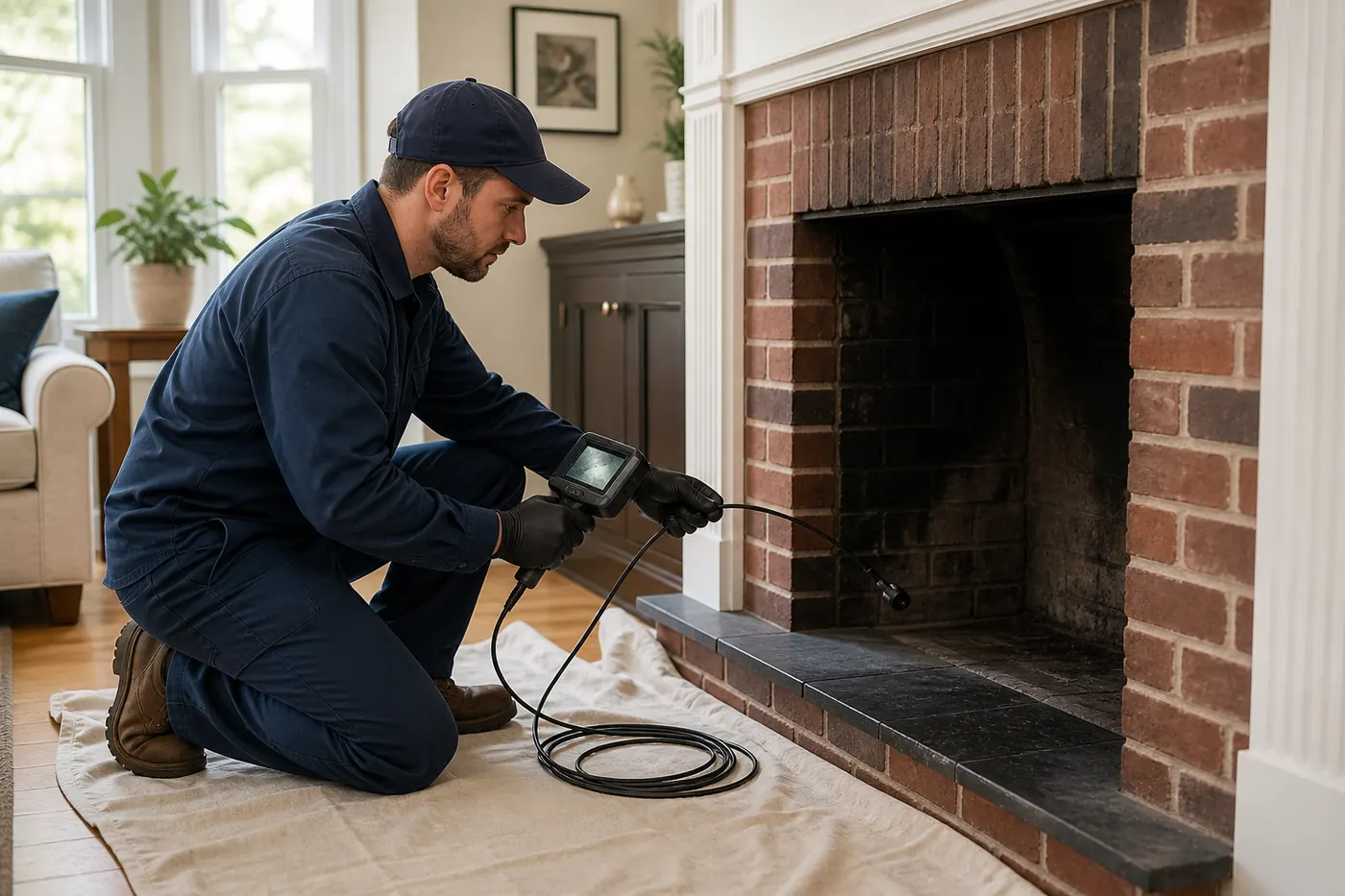
$49 / $99 / $299
Inspect-first service with photo documentation and a written scope before work.
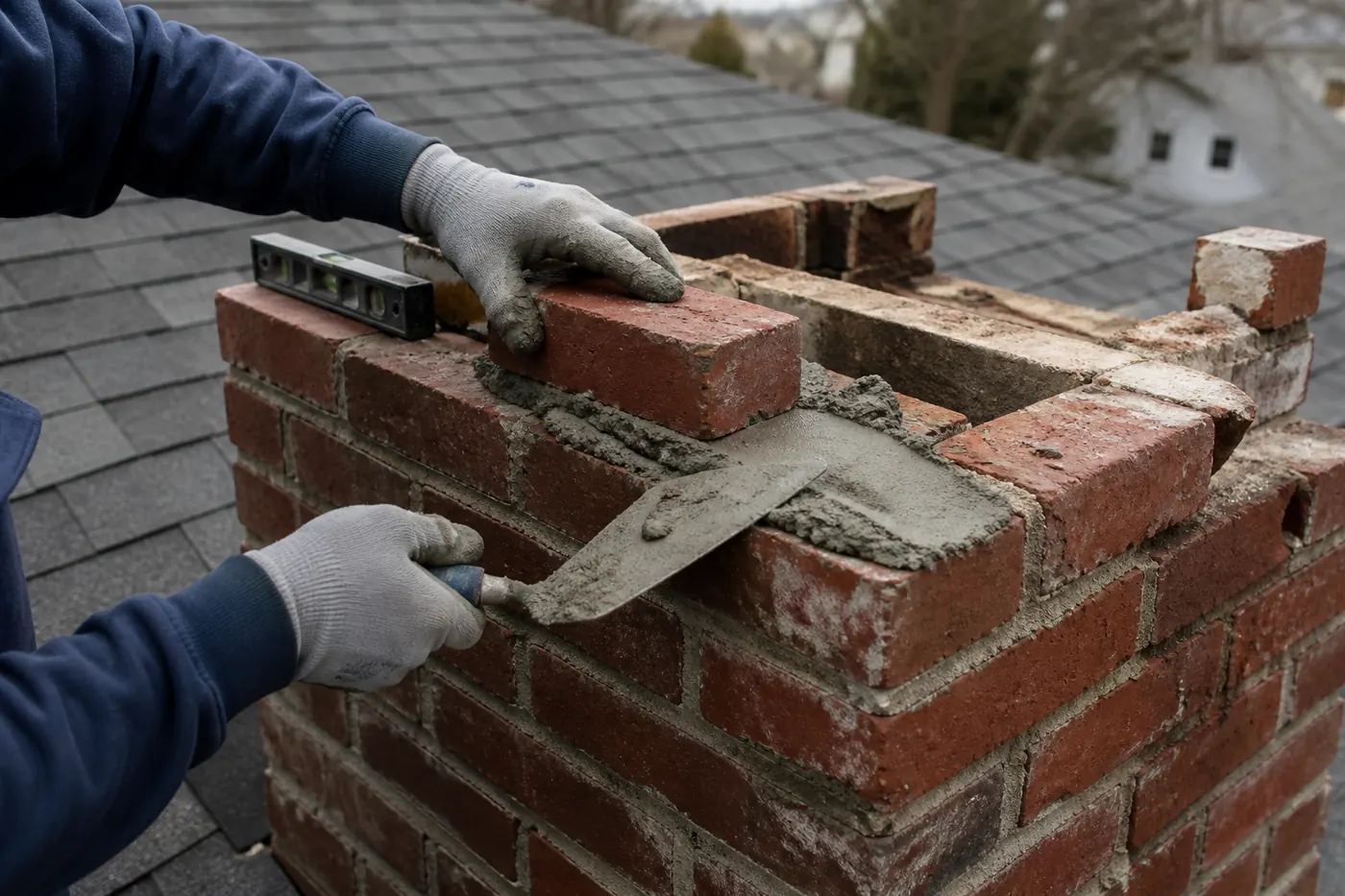
$300–$2,500+
Inspect-first service with photo documentation and a written scope before work.
$2,000–$10,000+
Inspect-first service with photo documentation and a written scope before work.
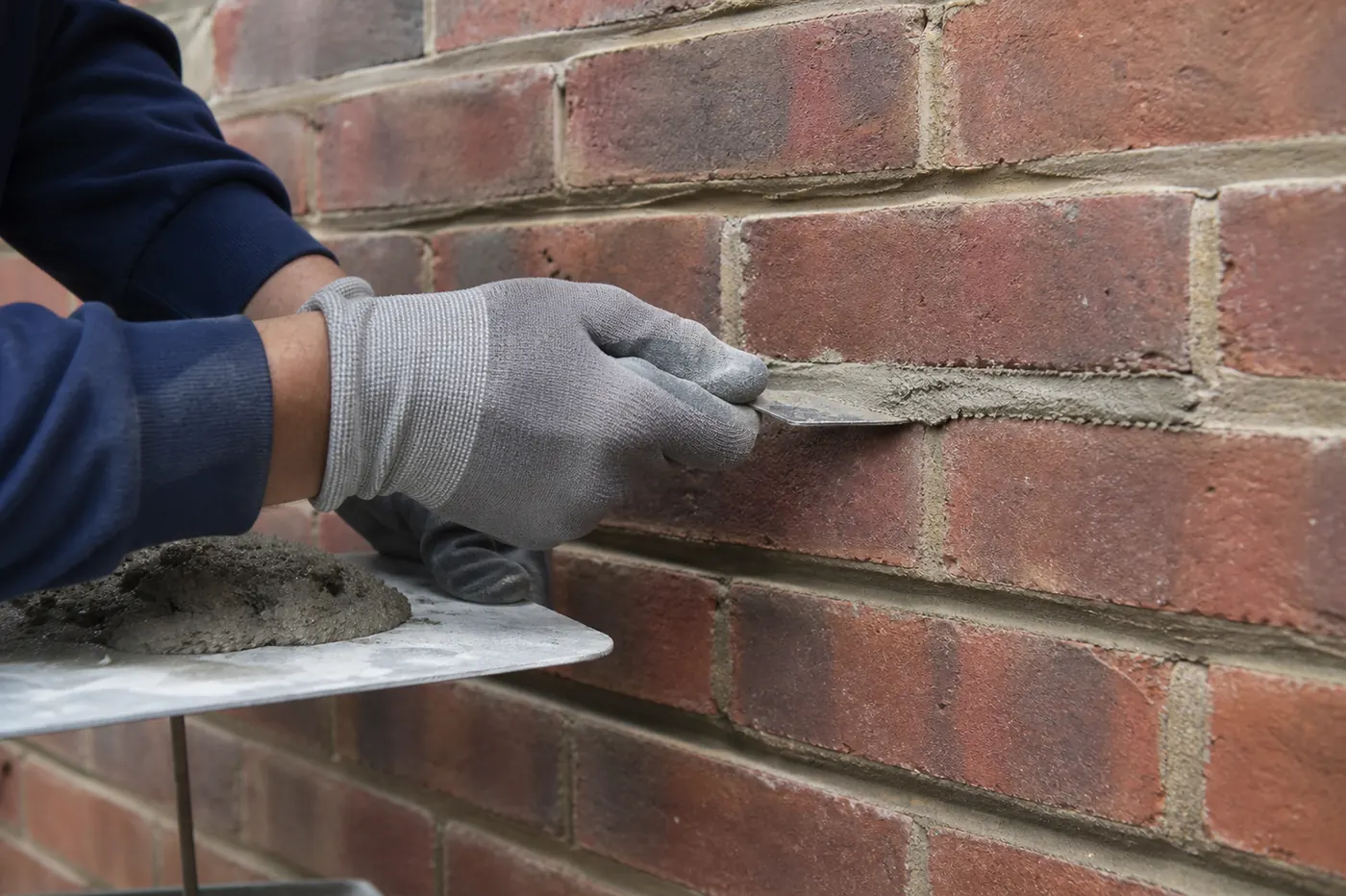
$300–$2,500
Inspect-first service with photo documentation and a written scope before work.
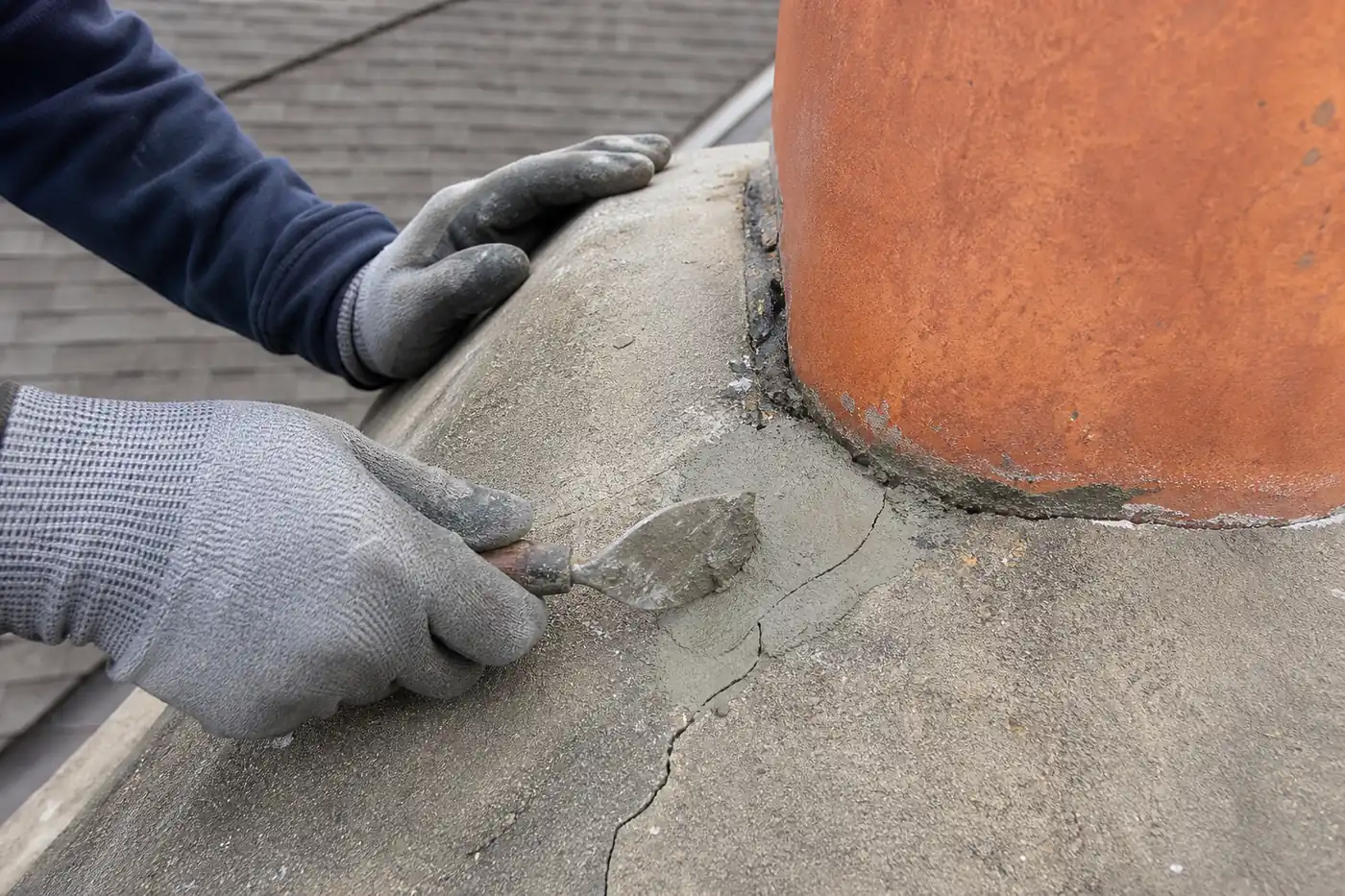
$300–$2,500
Inspect-first service with photo documentation and a written scope before work.
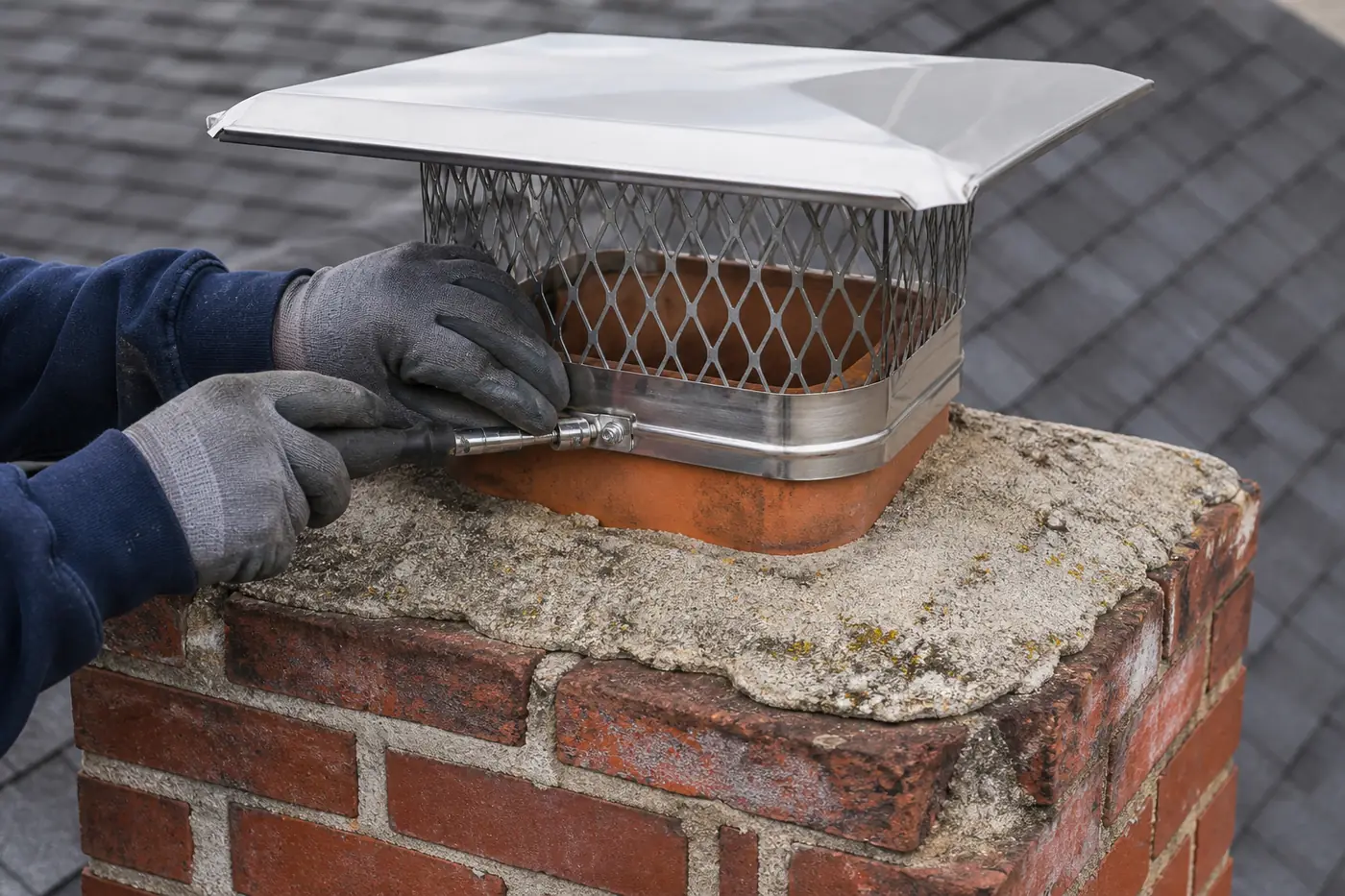
$300–$1,300
Inspect-first service with photo documentation and a written scope before work.
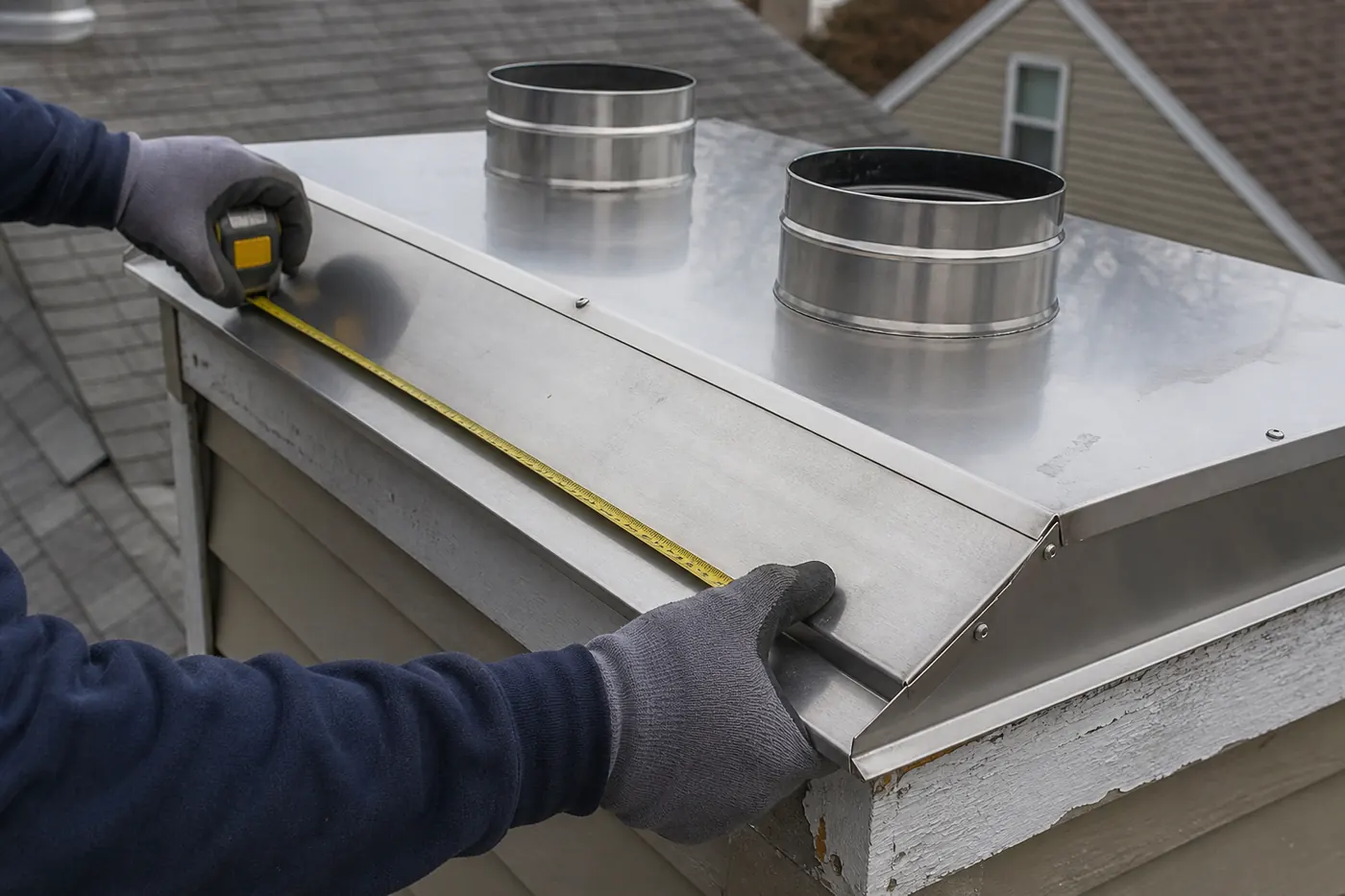
$800–$1,500
Inspect-first service with photo documentation and a written scope before work.
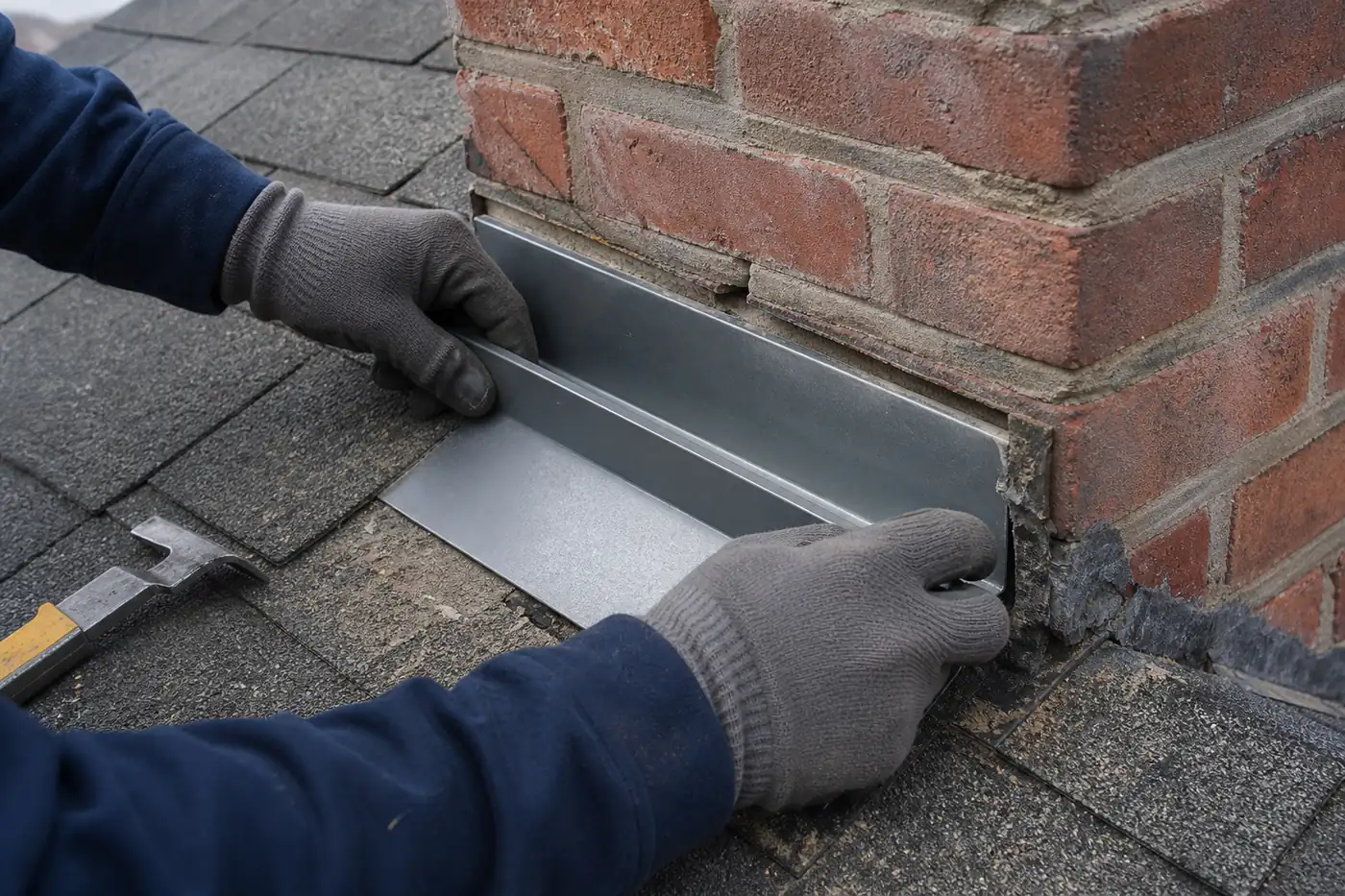
$200–$2,500
Inspect-first service with photo documentation and a written scope before work.
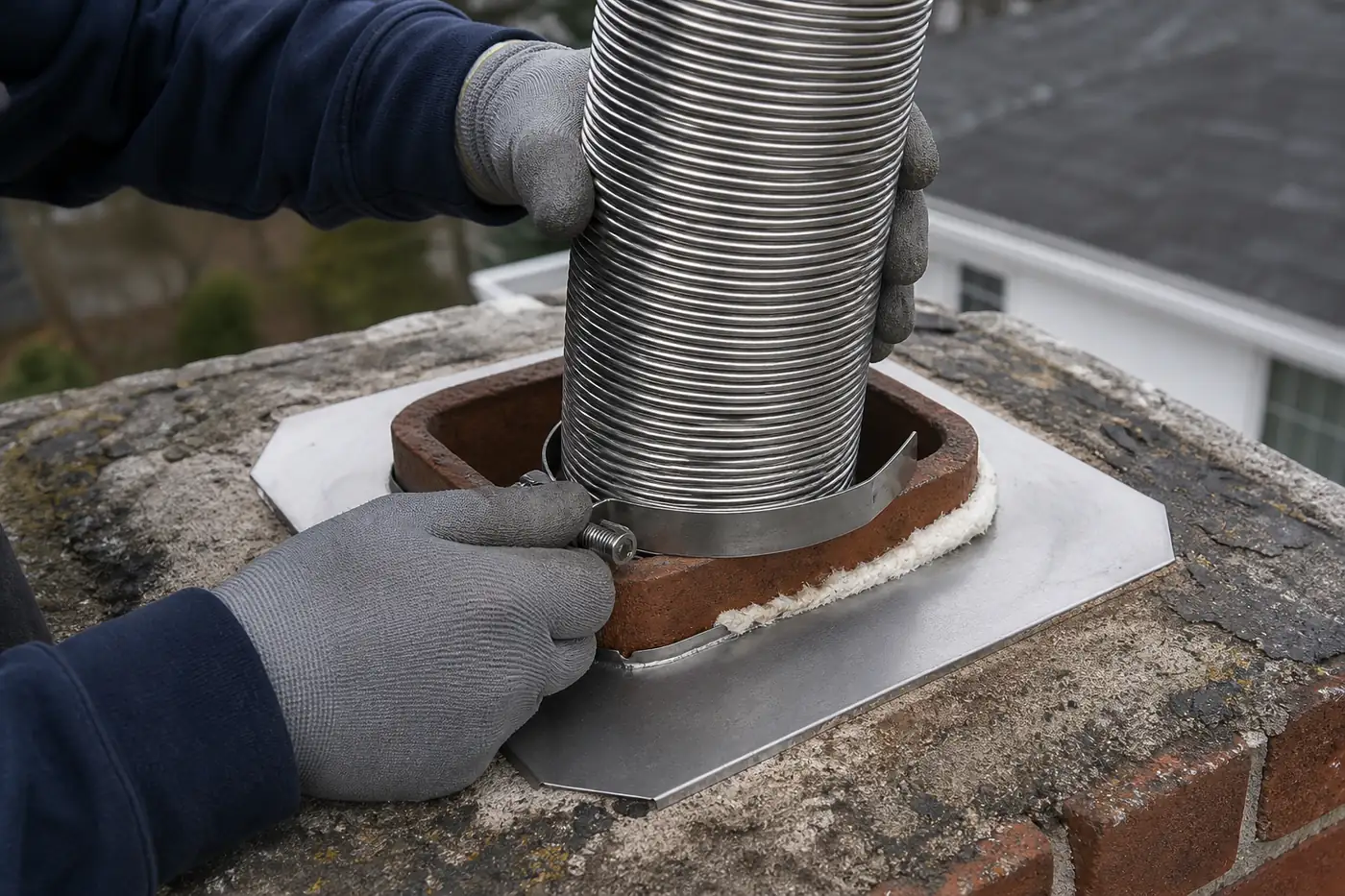
$1,200–$4,500
Inspect-first service with photo documentation and a written scope before work.
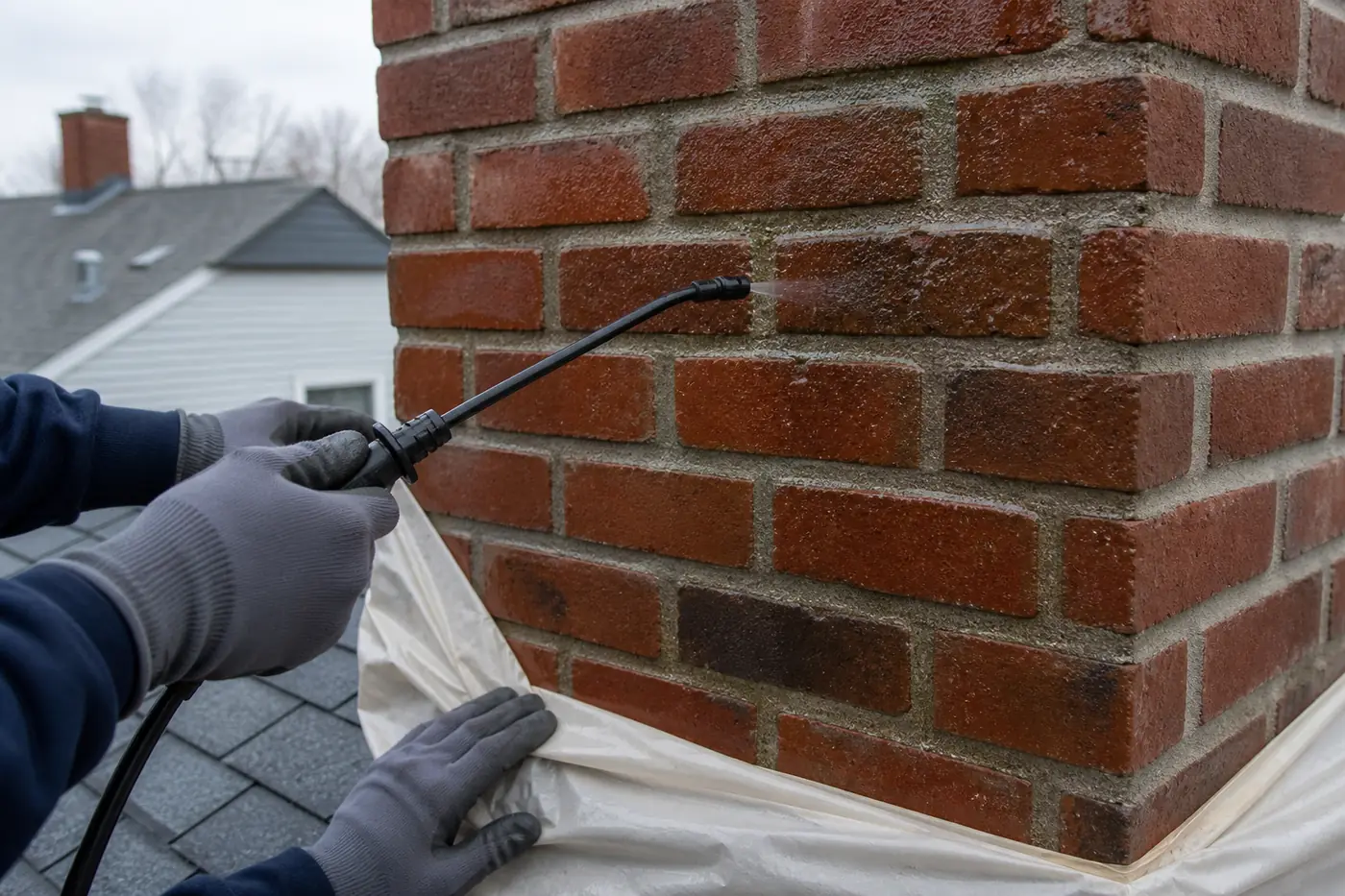
$300–$800+
Inspect-first service with photo documentation and a written scope before work.
$299–$700+
Inspect-first service with photo documentation and a written scope before work.
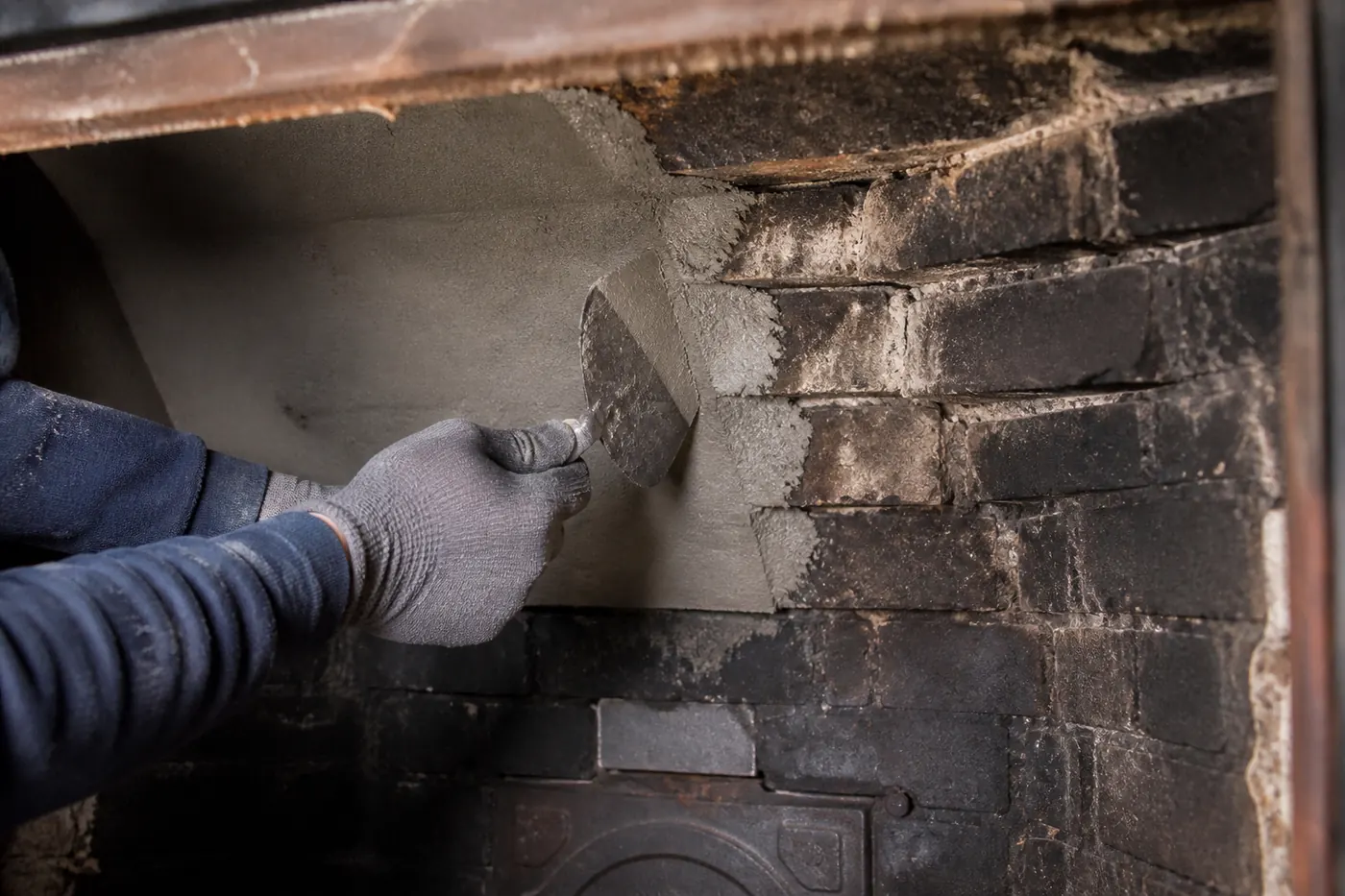
$500–$1,500
Inspect-first service with photo documentation and a written scope before work.
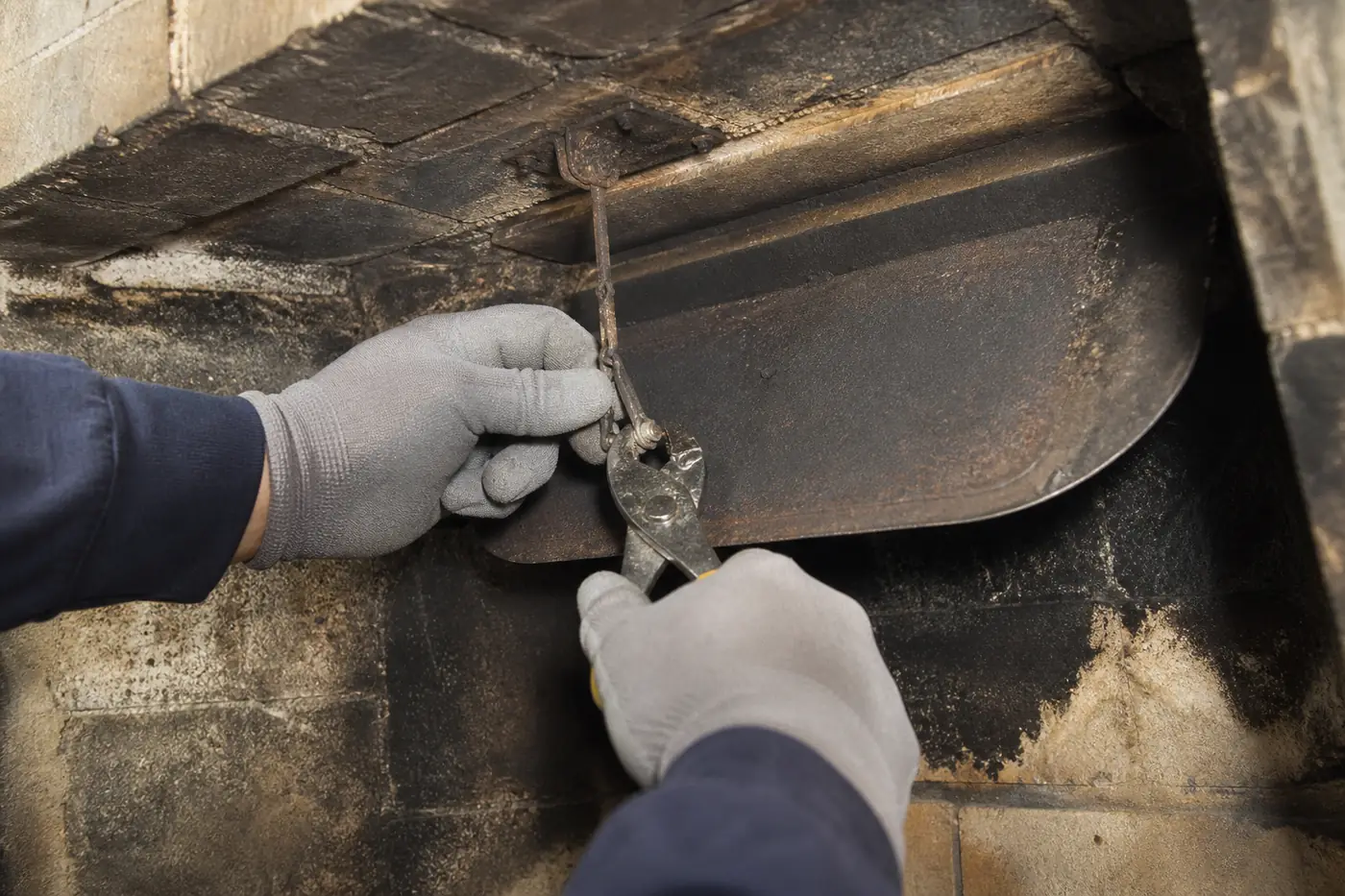
$199–$1,200
Inspect-first service with photo documentation and a written scope before work.
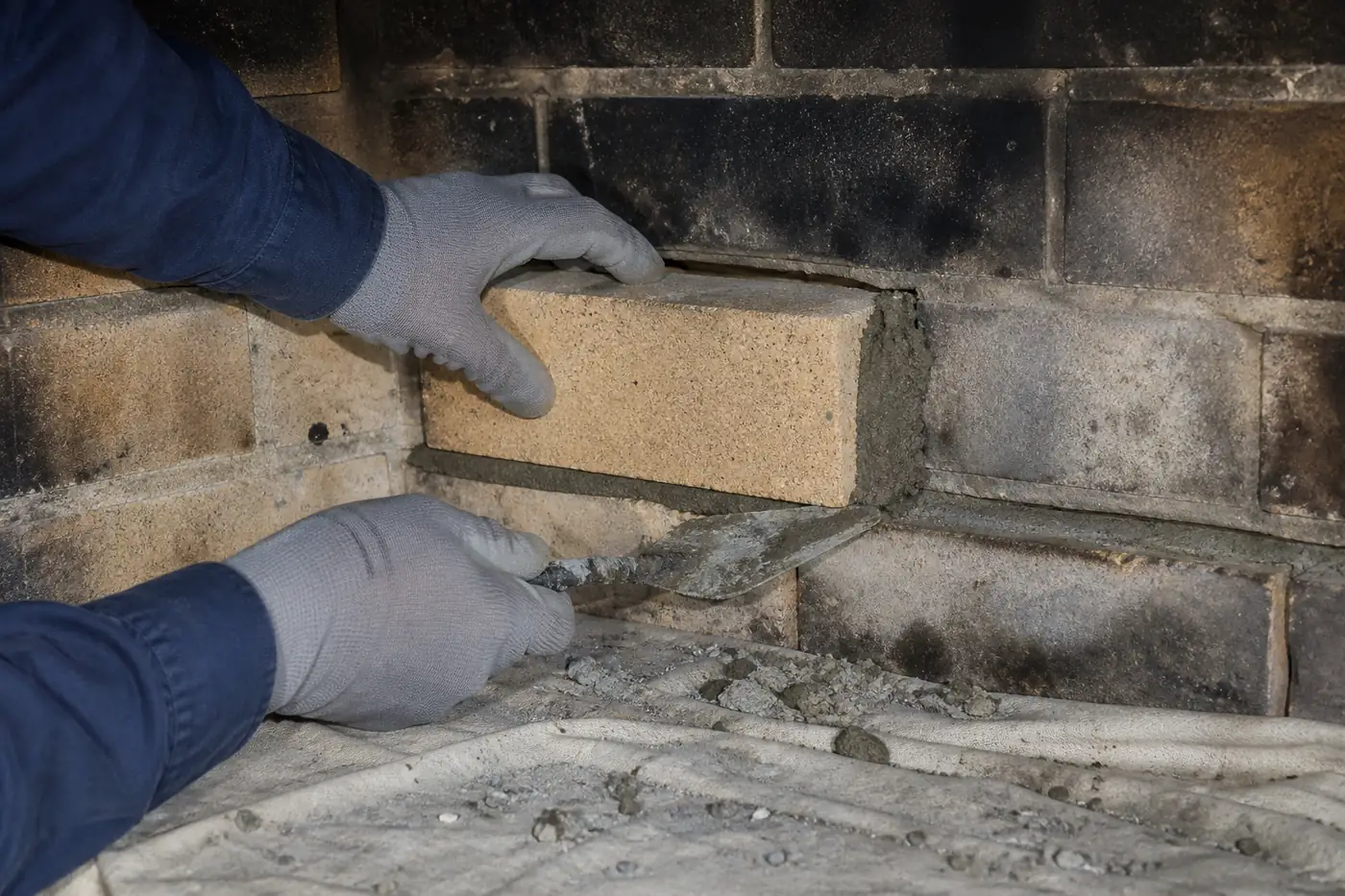
$350–$900
Inspect-first service with photo documentation and a written scope before work.
$300–$2,500+
Inspect-first service with photo documentation and a written scope before work.
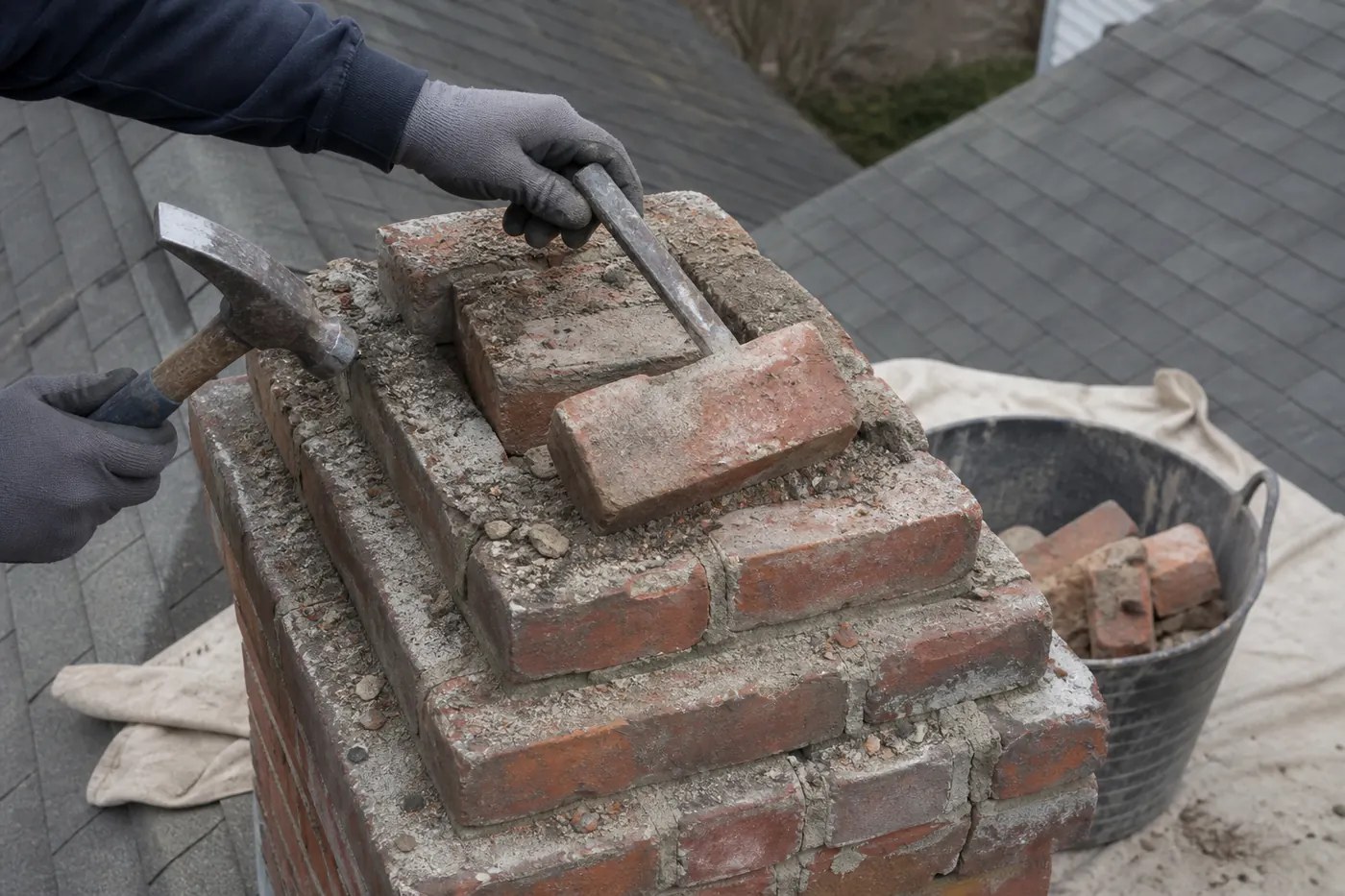
Priced by inspection
Inspect-first service with photo documentation and a written scope before work.
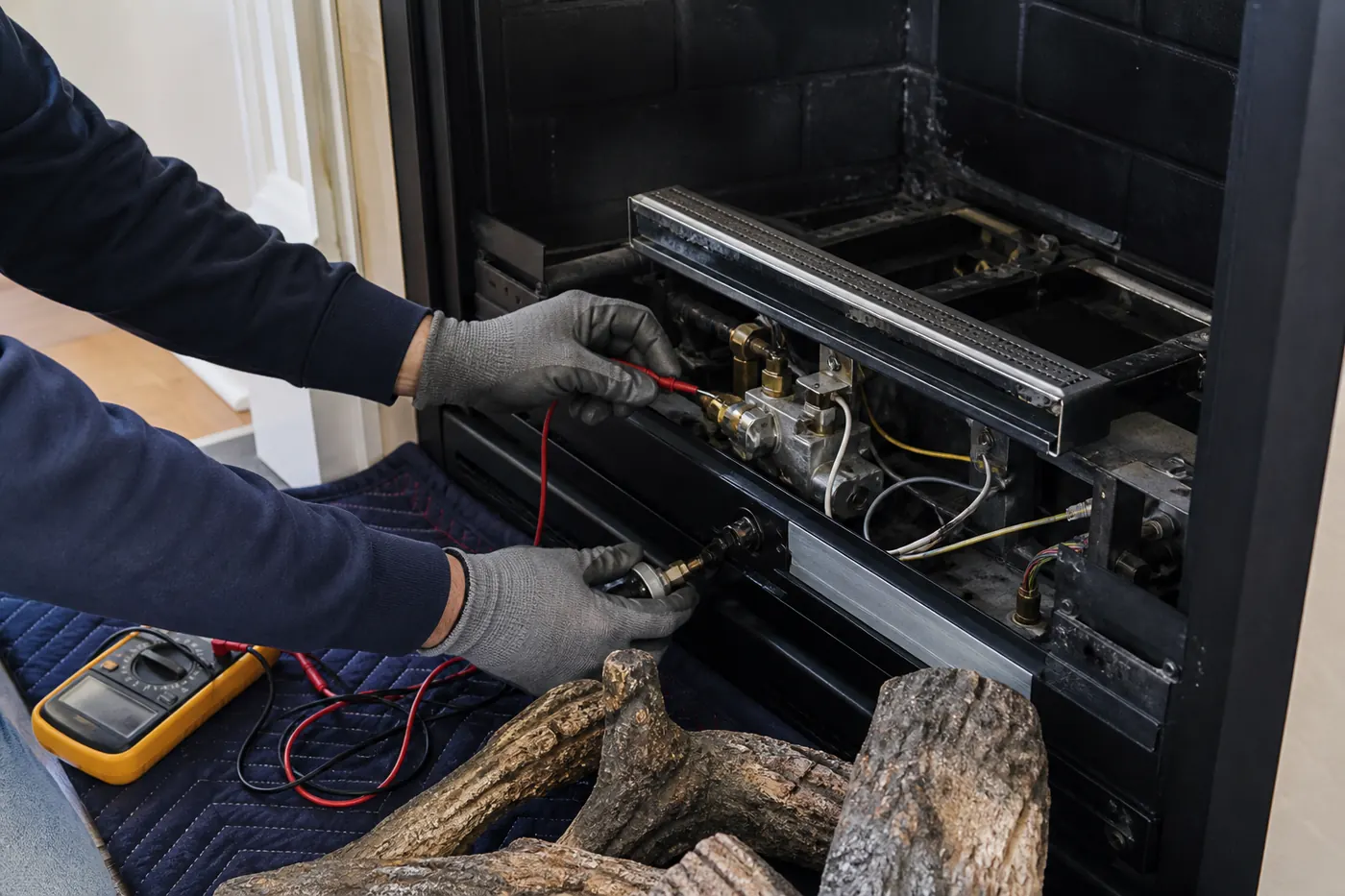
$299–$1,500
Inspect-first service with photo documentation and a written scope before work.
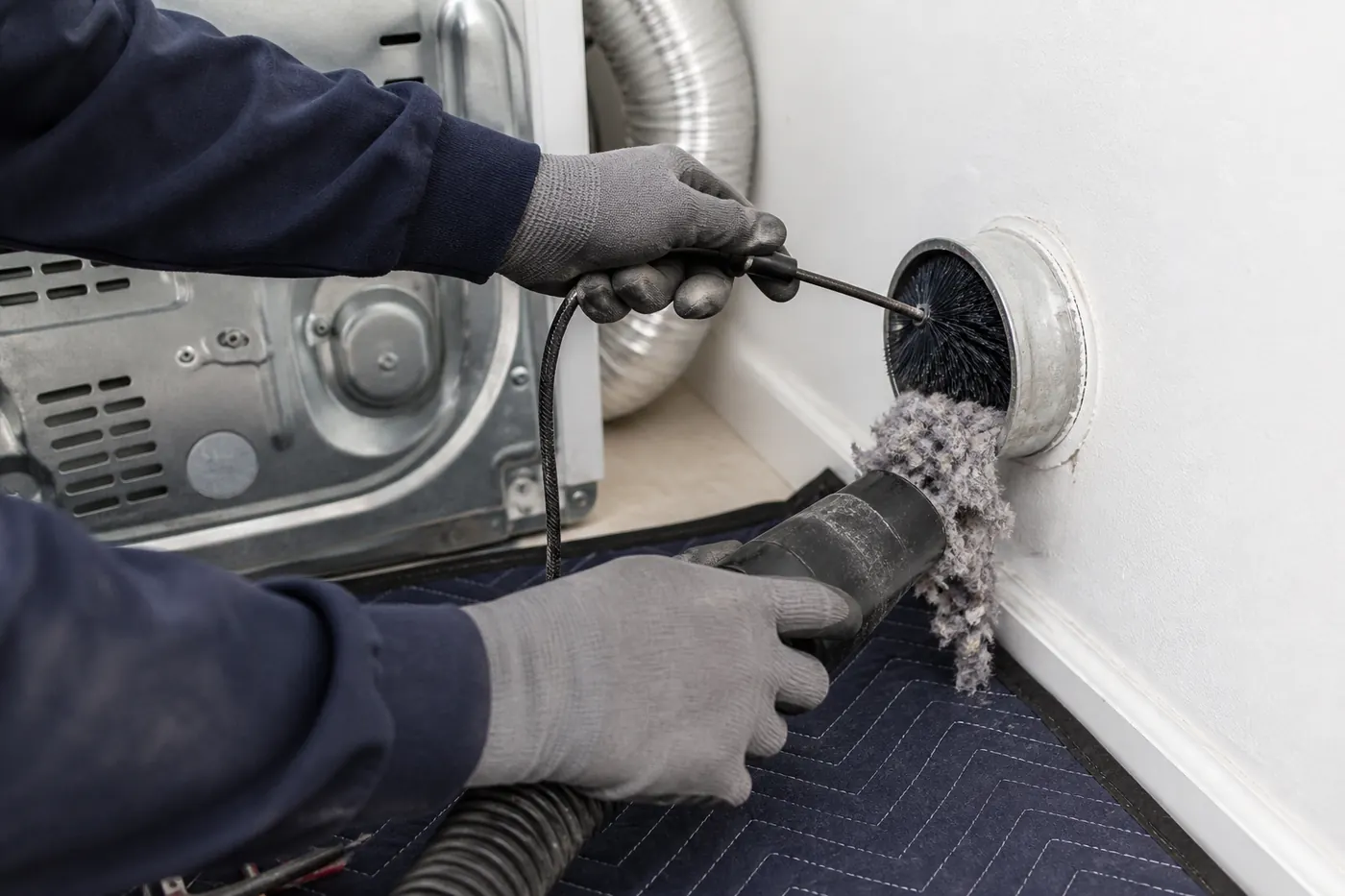
$99
Inspect-first service with photo documentation and a written scope before work.
$400–$3,000
Inspect-first service with photo documentation and a written scope before work.
Book the $49 inspection. The fee is credited toward approved repair work.