Complex rooflines are the defining chimney challenge in Wellesley. Colonial and Tudor homes in this Norfolk County town put chimneys against valleys, dormers, and steep pitches, and every one of those intersections is a place for flashing to fail and water to enter. Chimney Experts Boston sweeps, inspects, and repairs masonry chimneys and factory-built systems here, with particular attention to the roof interface, the crown, and the brick that takes the most weather.
For $299 you get the cleaning with inspection: a full sweep and a Level 1 inspection with labeled photographs. The $49 inspection stands on its own and is credited toward any repair work you approve. A written price always comes before the work, and additions, renovations, and earlier masonry repairs are checked at the house rather than assumed from the style. Call (617) 404-9587 or book online to schedule in Wellesley.
Wellesley housing and chimney profile
Wellesley is in Norfolk County, Massachusetts. The housing stock the town is known for includes Colonial and Tudor homes with complex rooflines. What that means for an individual chimney is settled at the property, by inspection, not by the town it stands in.
What we see in Wellesley chimneys
A chimney rising through a valley or beside a dormer collects water from two roof planes instead of one. On Wellesley Colonials and Tudors, that is where step flashing, counterflashing, and crickets do their work, and where they fail first. The inspection photographs each roof intersection, checks whether a cricket exists behind the chimney where the roof slope demands one, and looks for the lifted counterflashing and rusted step pieces that let water run down the brick into the framing. Stains on interior ceilings often trace back to these intersections rather than to the chimney top.
Tudor chimneys are often tall, decorative, and built with multiple flues and corbeled brick, so New England freeze and thaw has more edges and joints to attack. Mortar recedes, brick faces spall, and crowns crack and shed. The mortar used for repointing has to match the hardness of the original brick or the repair speeds the damage. Inside, older clay tile liners crack at the joints, and where a gas insert or furnace vents into a flue sized for wood, condensation softens the mortar from within. Newer additions sometimes hold a factory-built fireplace in a framed chase with a metal chase cover that rusts and ponds water.
The Level 1 inspection covers the firebox, damper, smoke chamber, accessible flue, exterior masonry, crown, cap, and every roof intersection, with photographs labeled by location. Areas hidden by height, weather, or finishes are listed as limitations. The written quote separates a flashing reseal from a layered step-and-counterflashing replacement, names materials, states whether roof protection and cleanup are included, and identifies the finding that would change the scope.
Services available in Wellesley
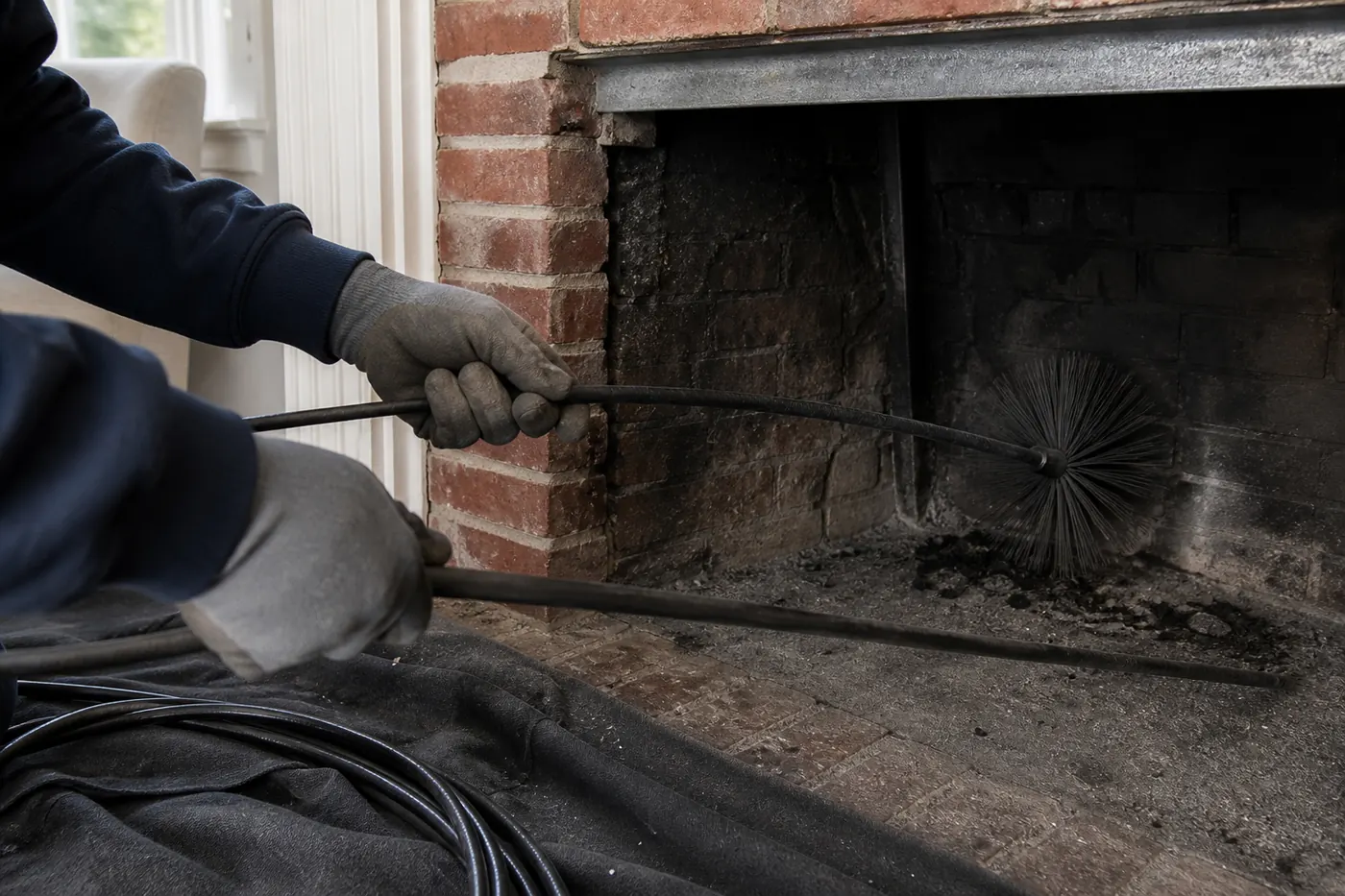
Chimney Sweep & Cleaning
$299
Inspect-first service with photo documentation and a written scope before work.
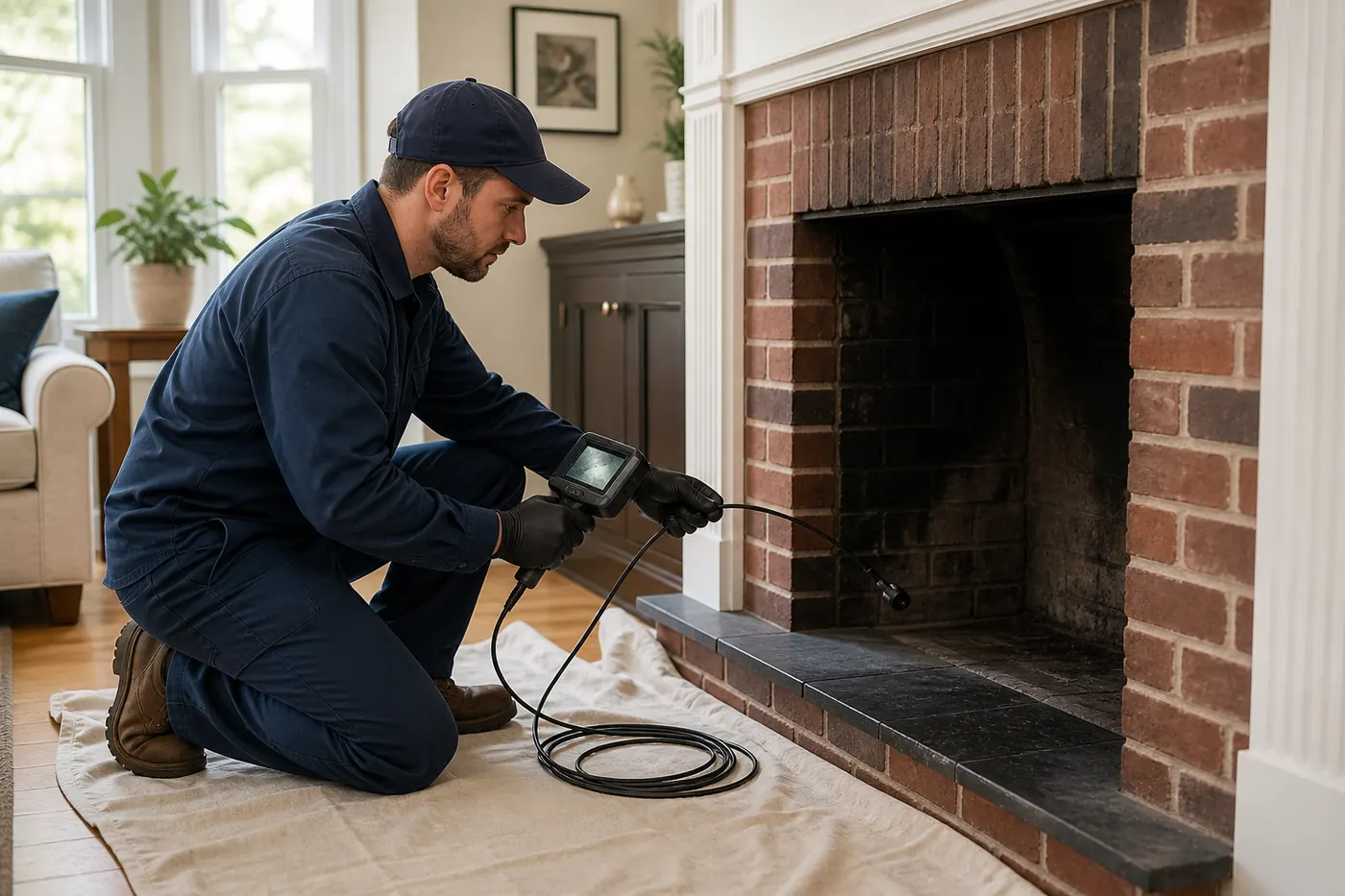
Chimney Inspection
$49 / $99 / $299
Inspect-first service with photo documentation and a written scope before work.
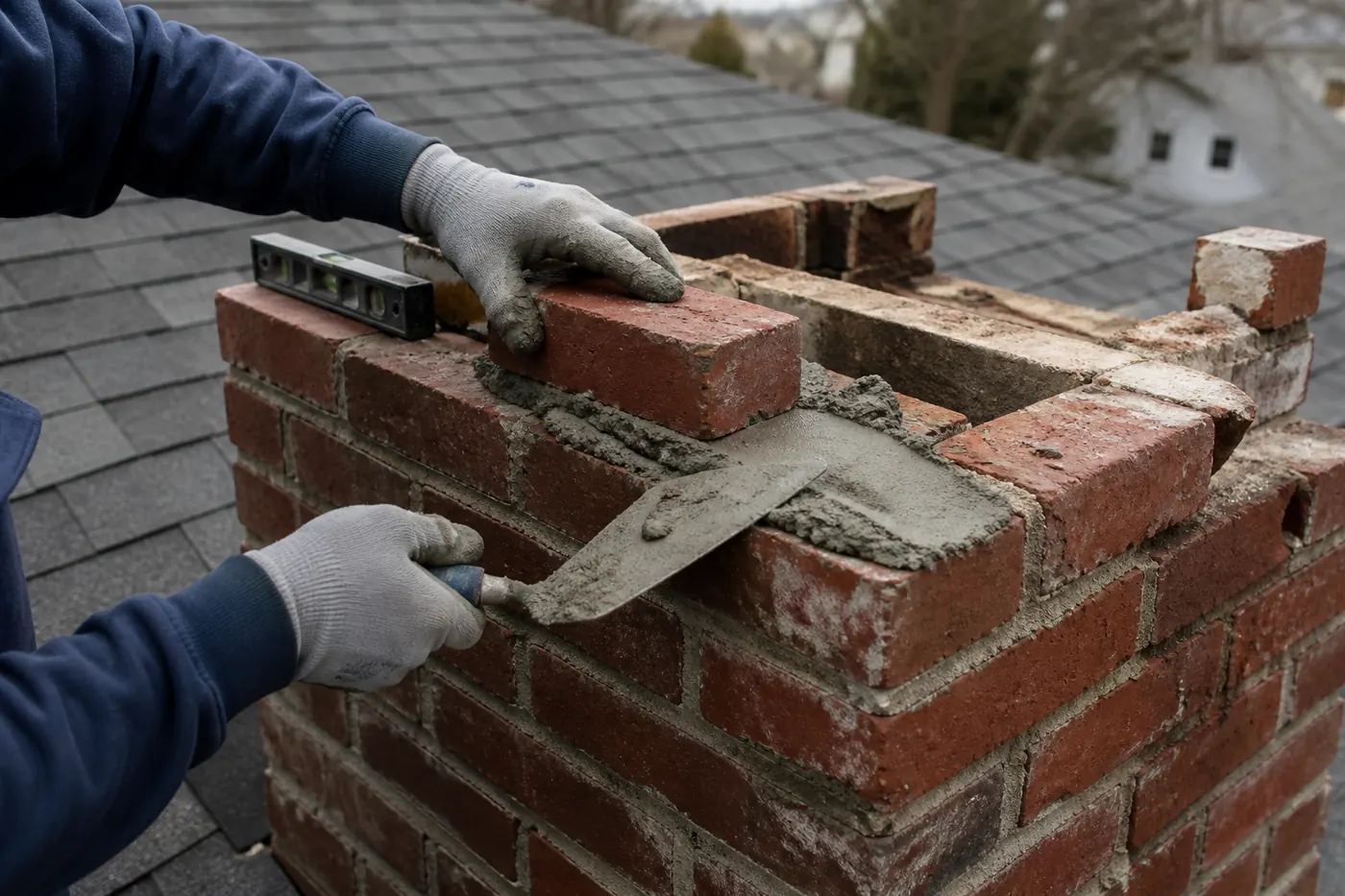
Chimney Repair
$300–$2,500+
Inspect-first service with photo documentation and a written scope before work.
Chimney Rebuild
$2,000–$10,000+
Inspect-first service with photo documentation and a written scope before work.
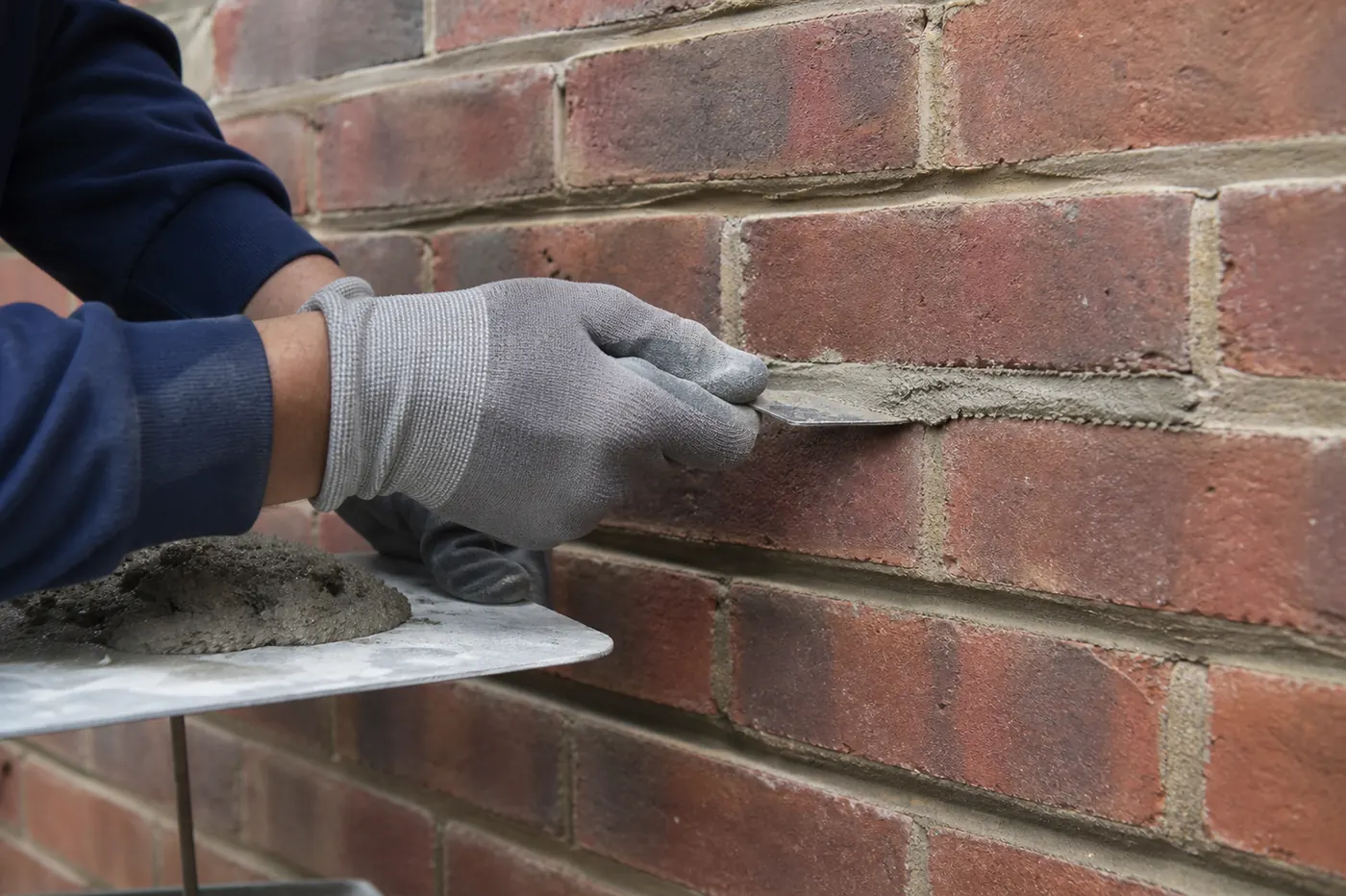
Repointing & Tuckpointing
$300–$2,500
Inspect-first service with photo documentation and a written scope before work.
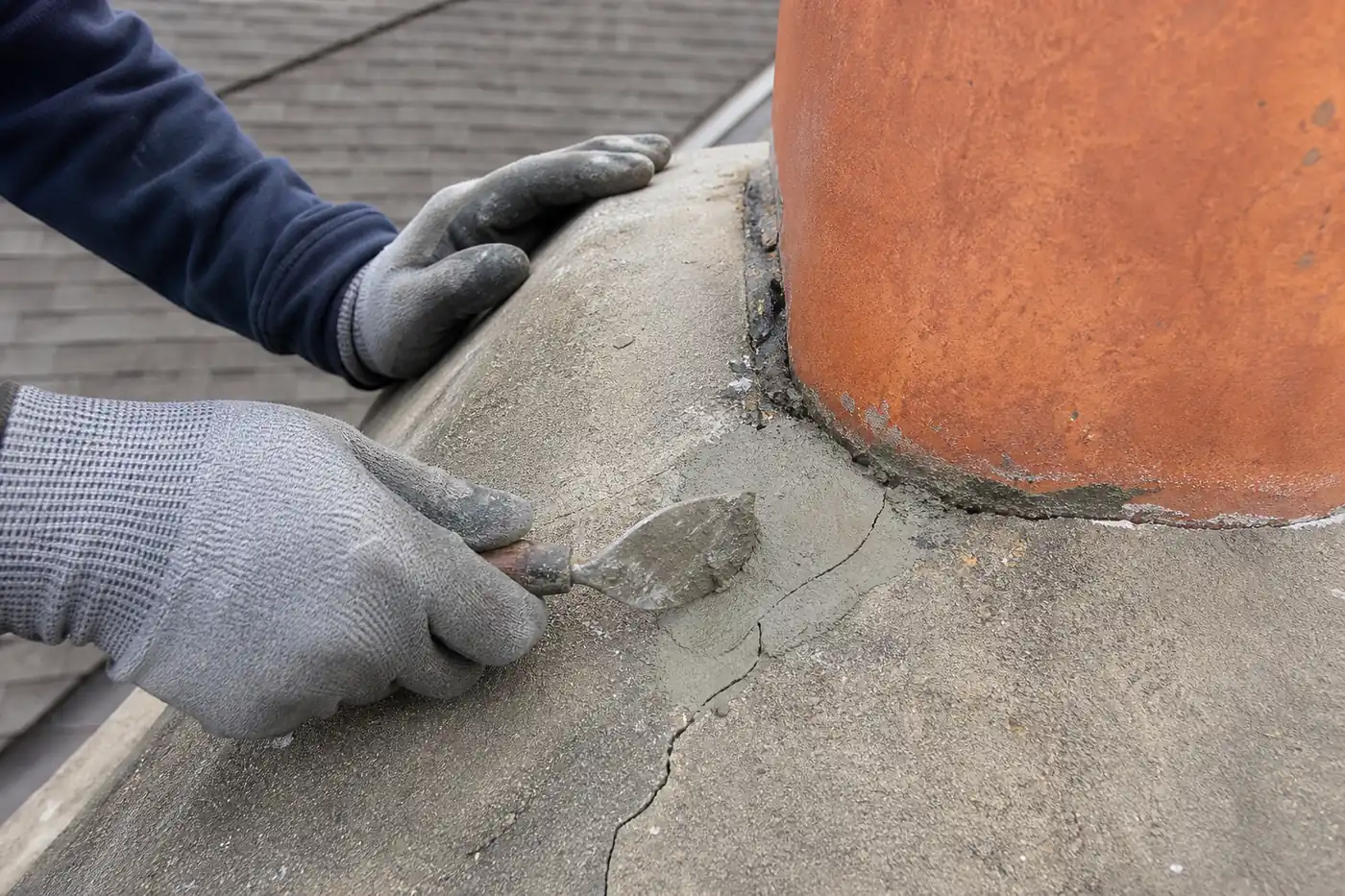
Chimney Crown Repair
$300–$2,500
Inspect-first service with photo documentation and a written scope before work.
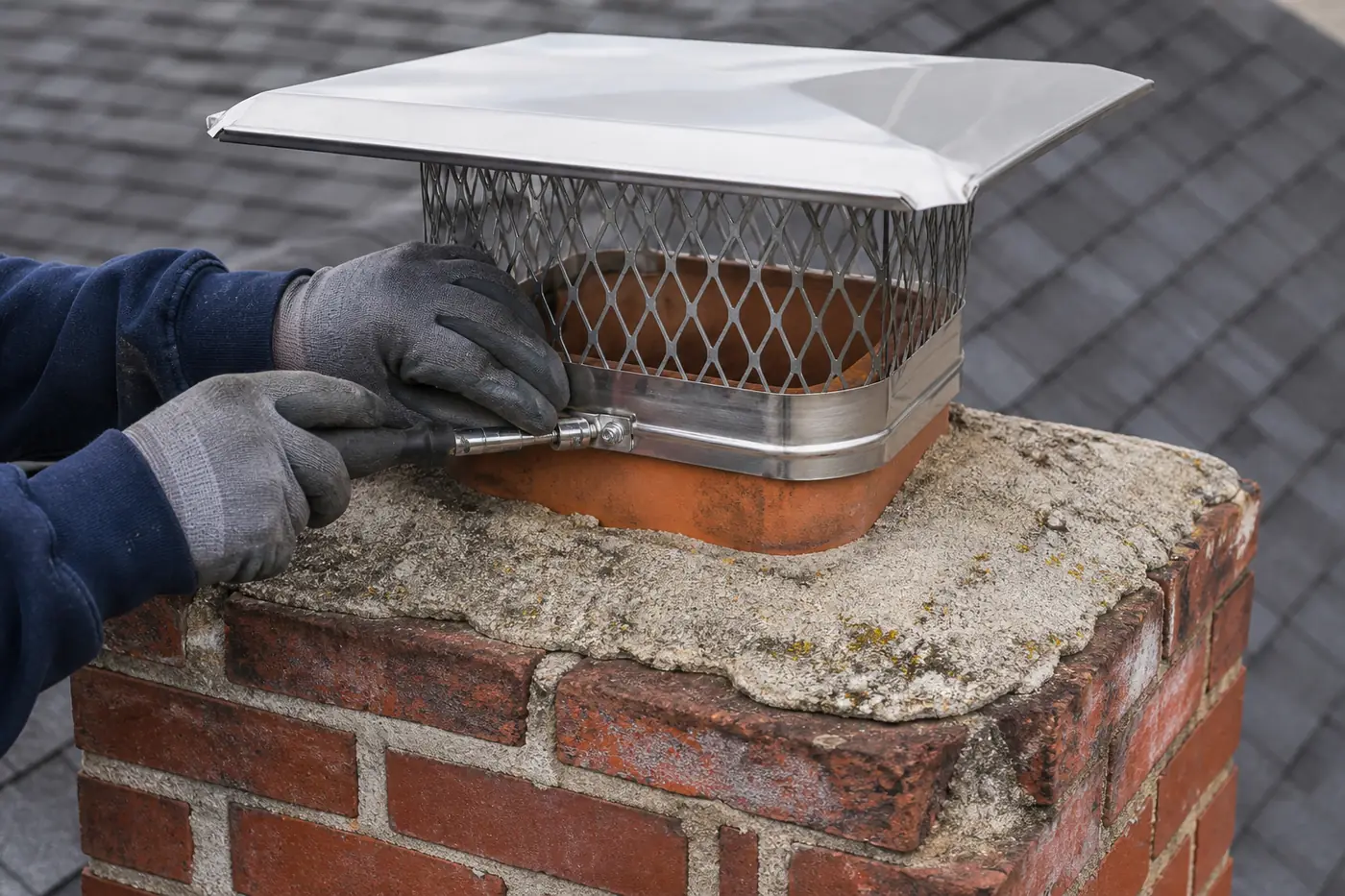
Chimney Cap Installation
$300–$1,300
Inspect-first service with photo documentation and a written scope before work.
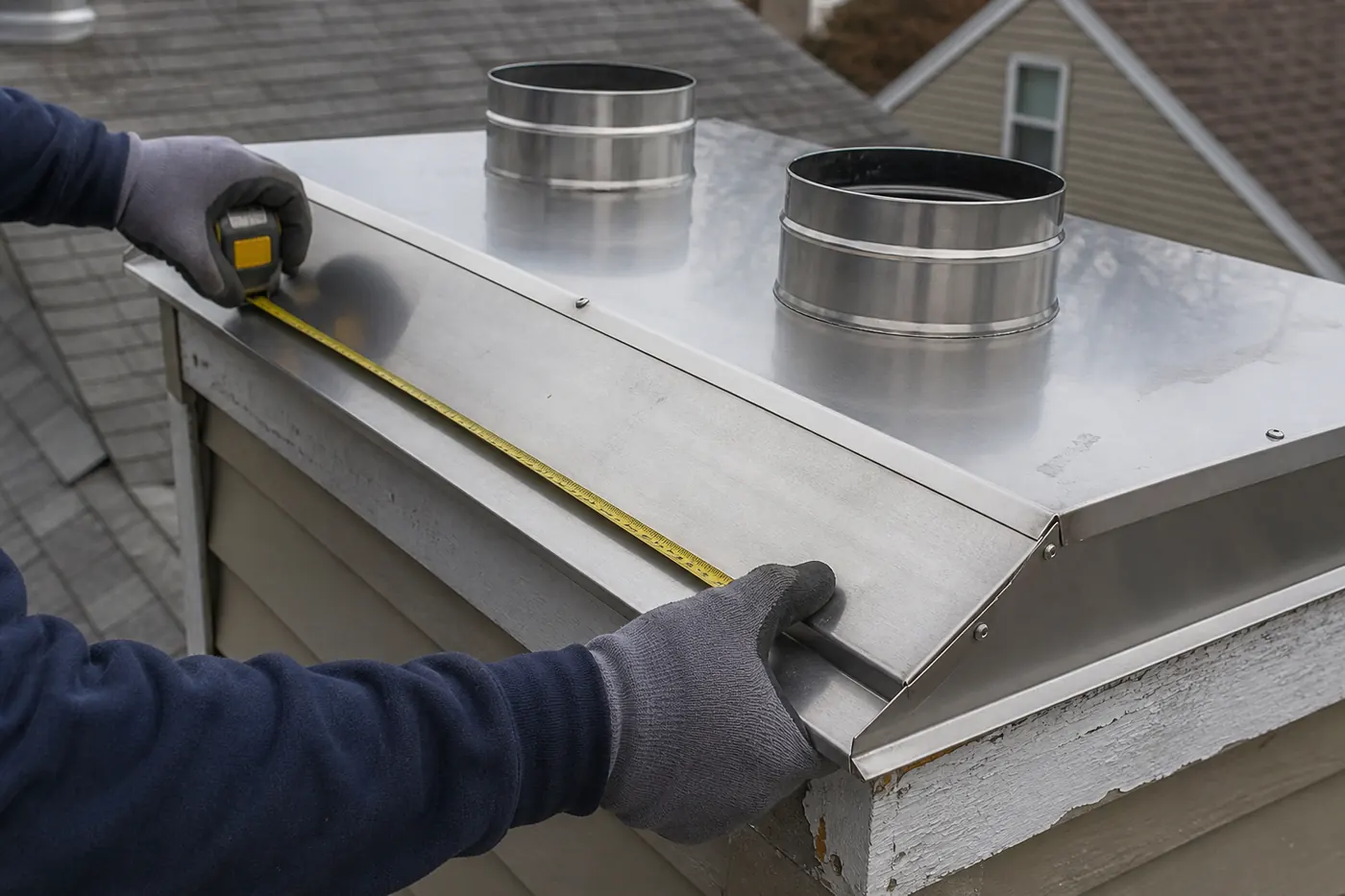
Chase Cover Replacement
$800–$1,500
Inspect-first service with photo documentation and a written scope before work.
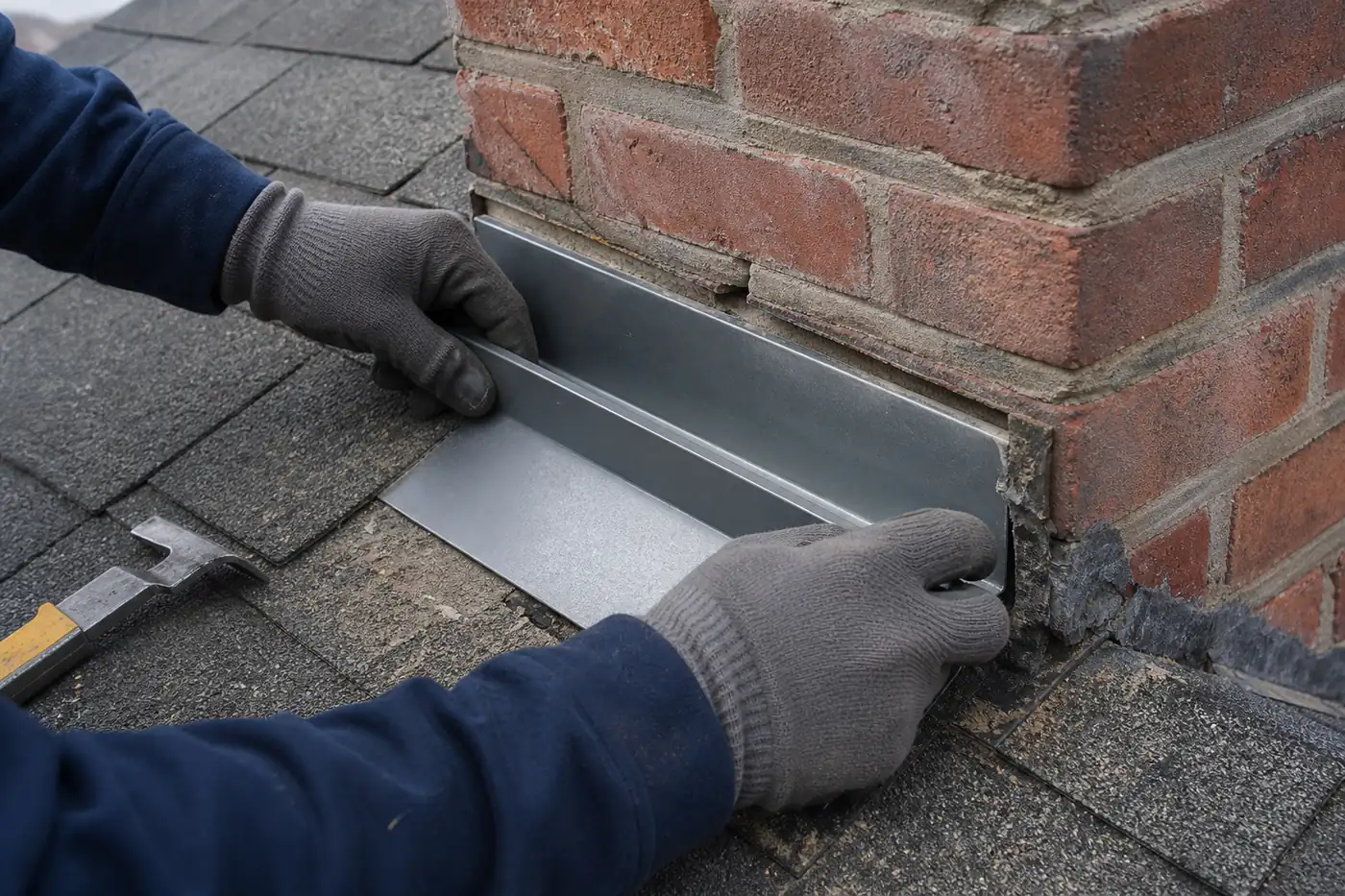
Chimney Flashing Repair
$200–$2,500
Inspect-first service with photo documentation and a written scope before work.
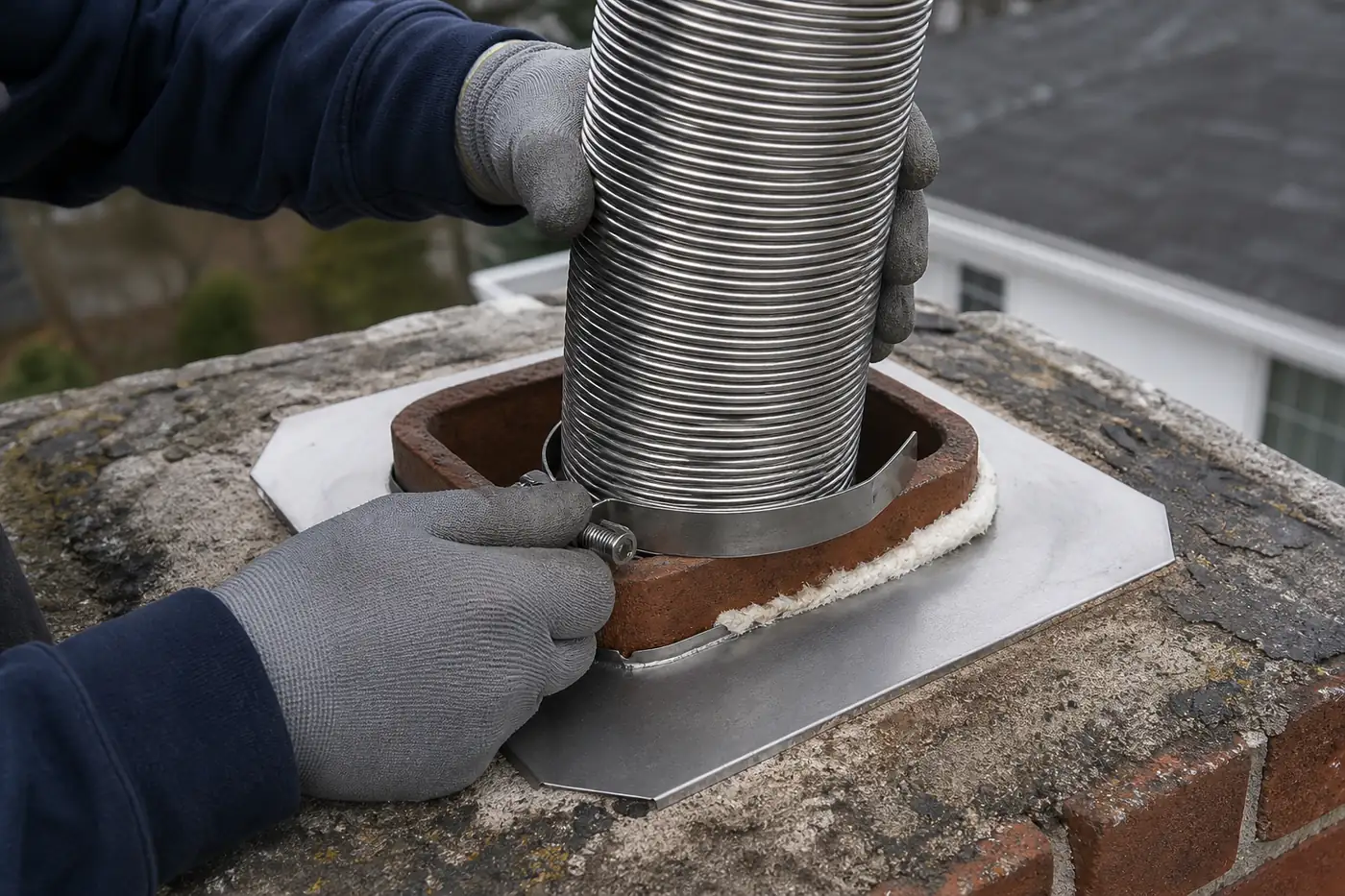
Chimney Liners & Relining
$1,200–$4,500
Inspect-first service with photo documentation and a written scope before work.
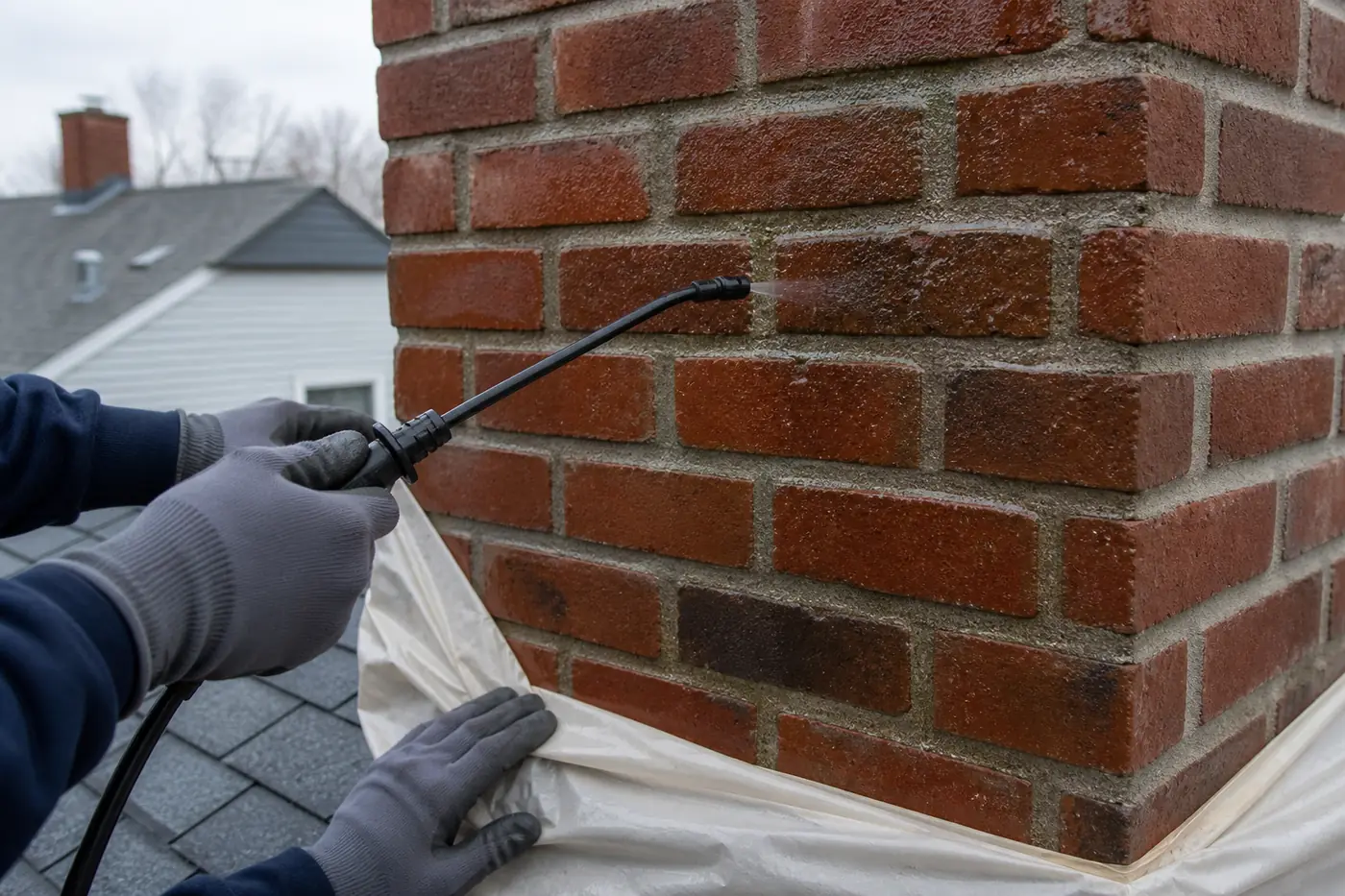
Chimney Waterproofing
$300–$800+
Inspect-first service with photo documentation and a written scope before work.
Creosote Removal
$299–$700+
Inspect-first service with photo documentation and a written scope before work.
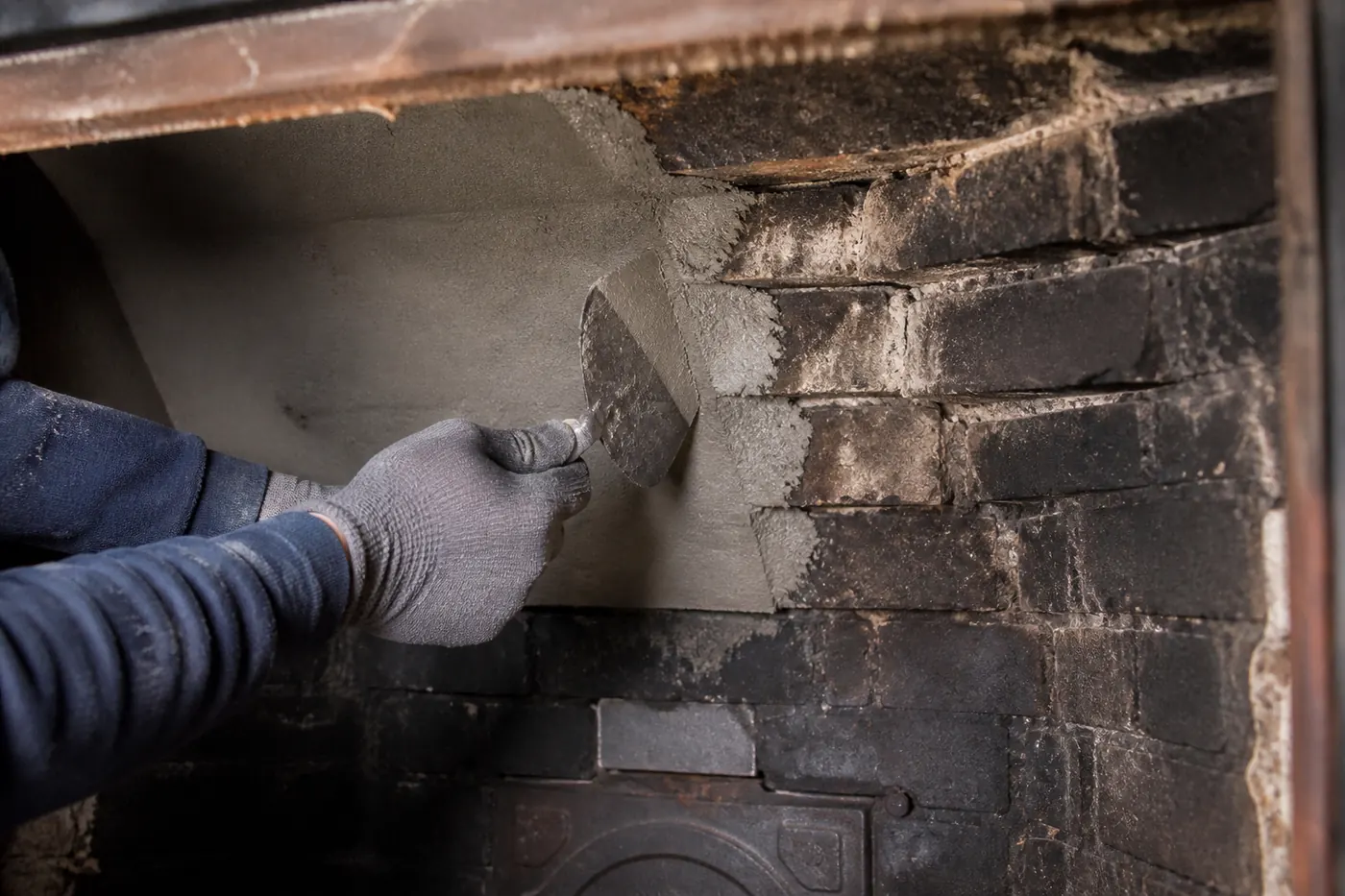
Smoke Chamber Repair
$500–$1,500
Inspect-first service with photo documentation and a written scope before work.
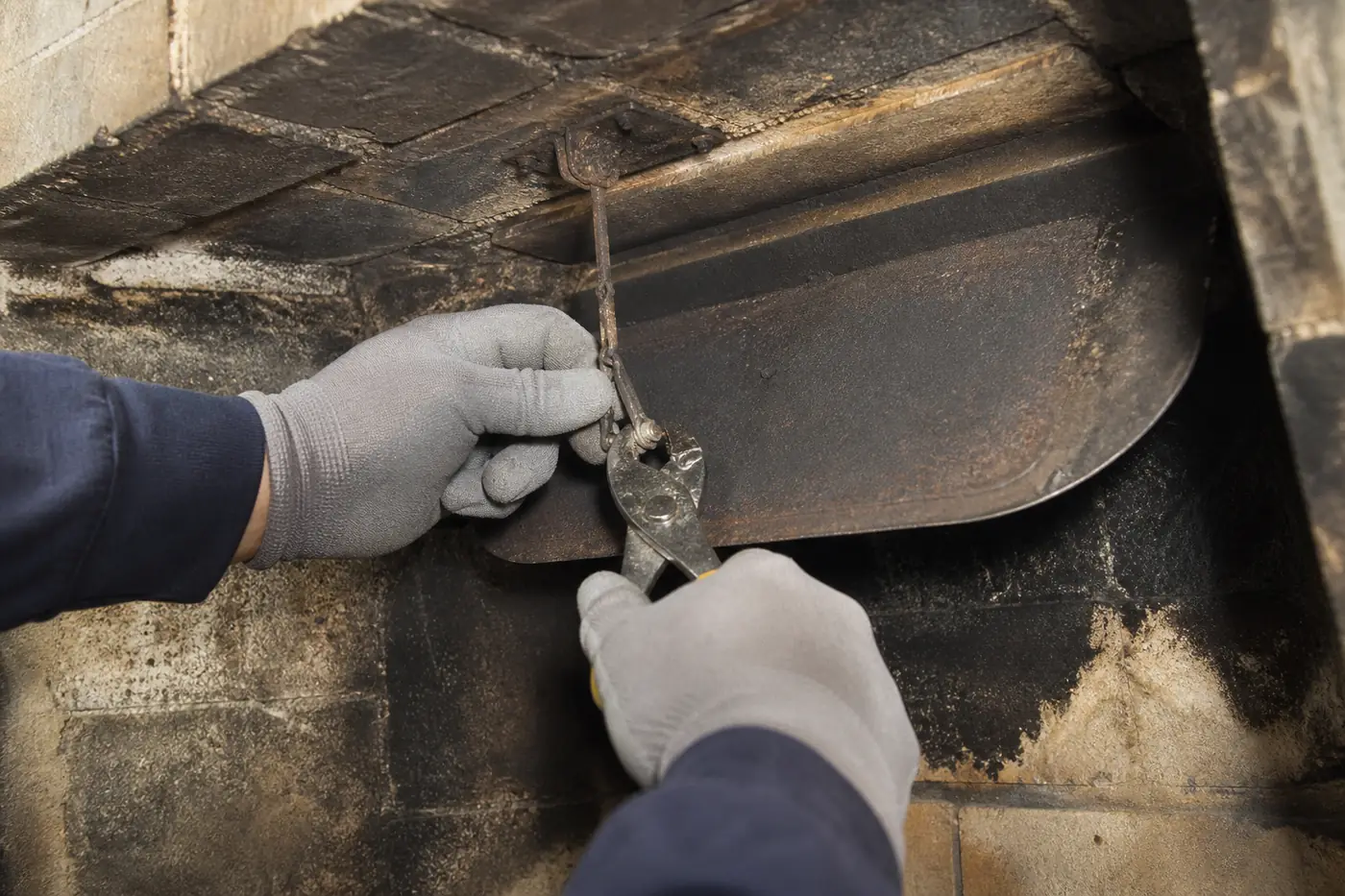
Chimney Damper Repair
$199–$1,200
Inspect-first service with photo documentation and a written scope before work.
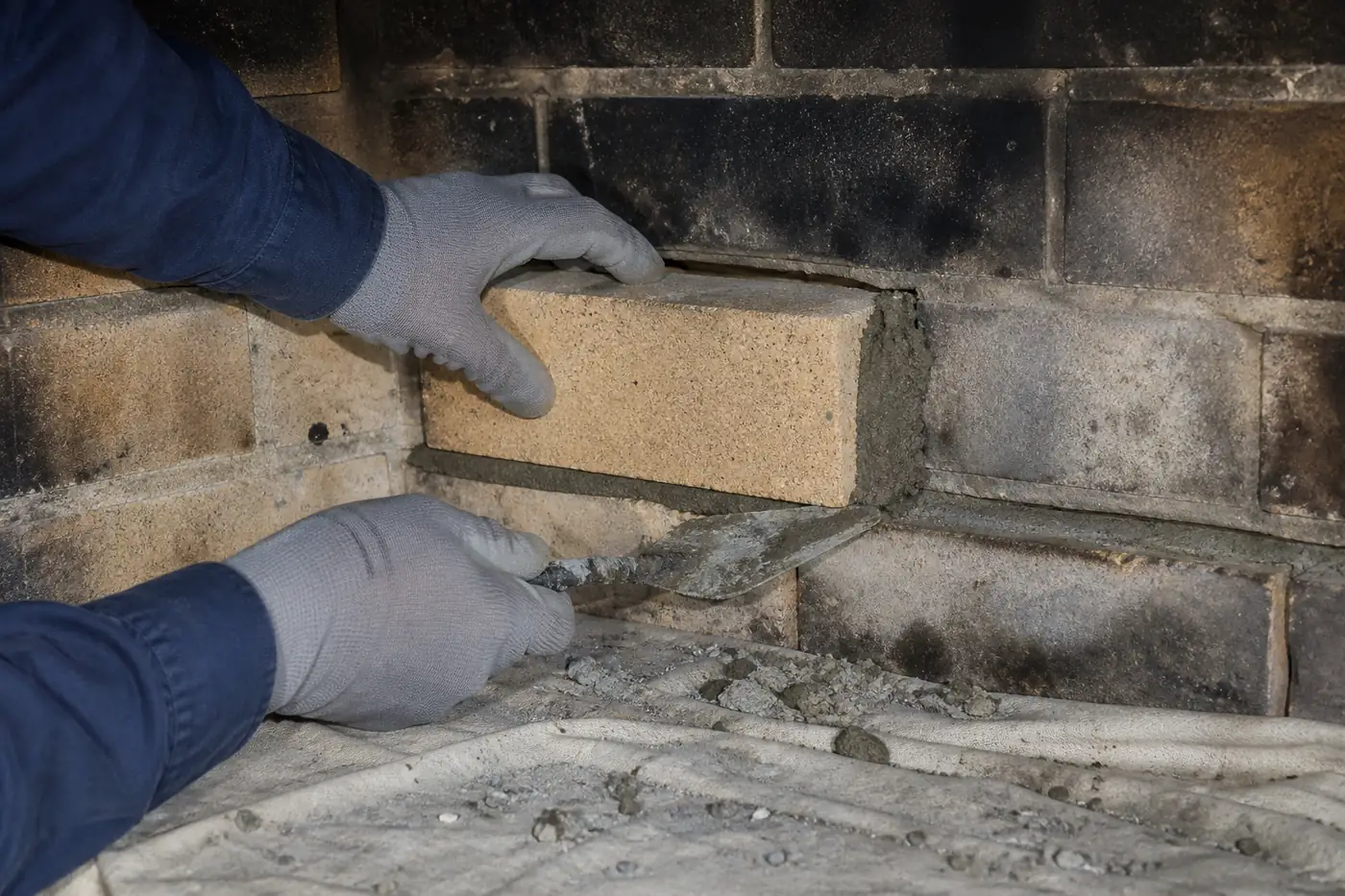
Firebox Repair
$350–$900
Inspect-first service with photo documentation and a written scope before work.
Masonry Repair
$300–$2,500+
Inspect-first service with photo documentation and a written scope before work.
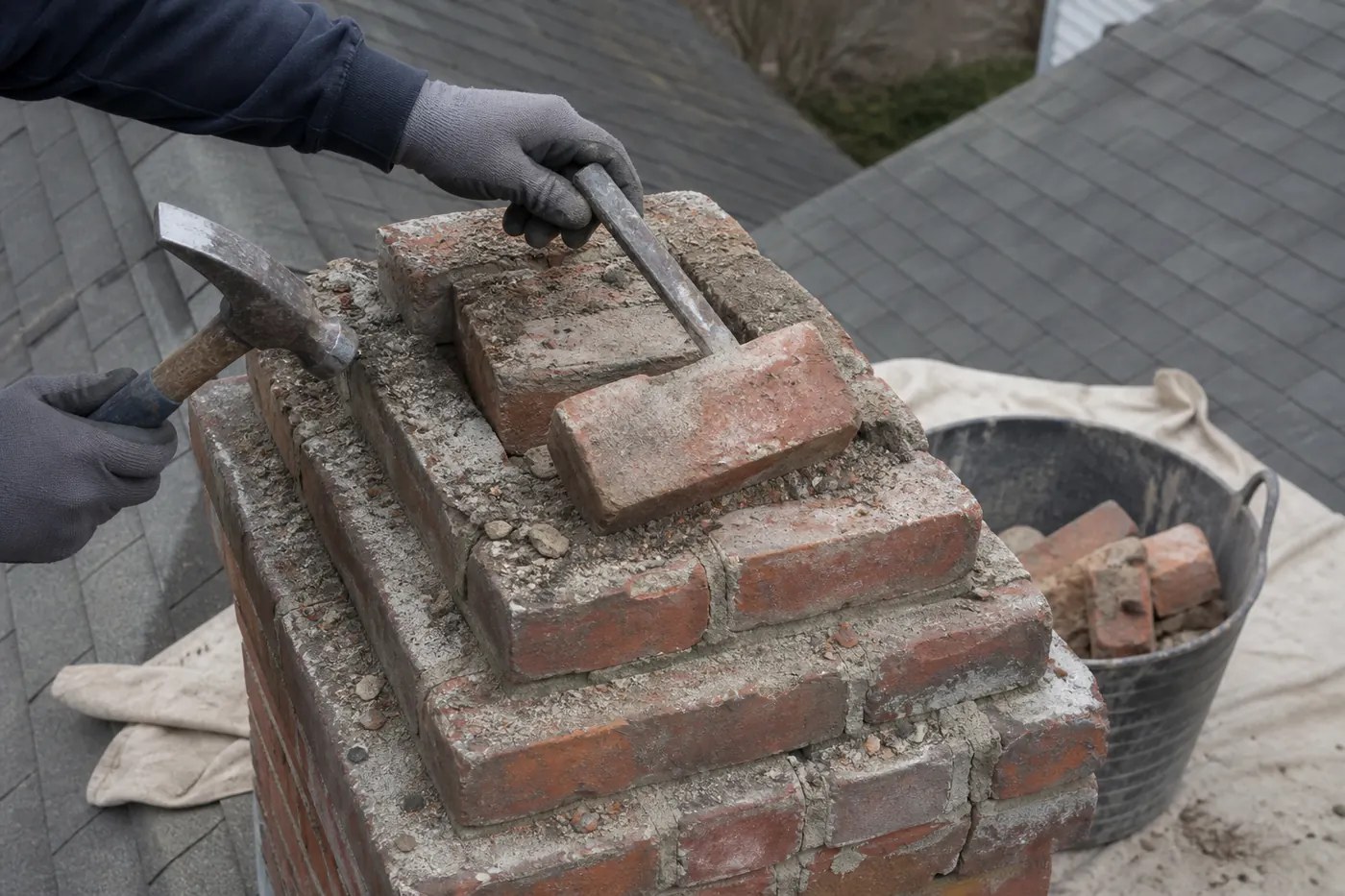
Chimney Removal
Priced by inspection
Inspect-first service with photo documentation and a written scope before work.
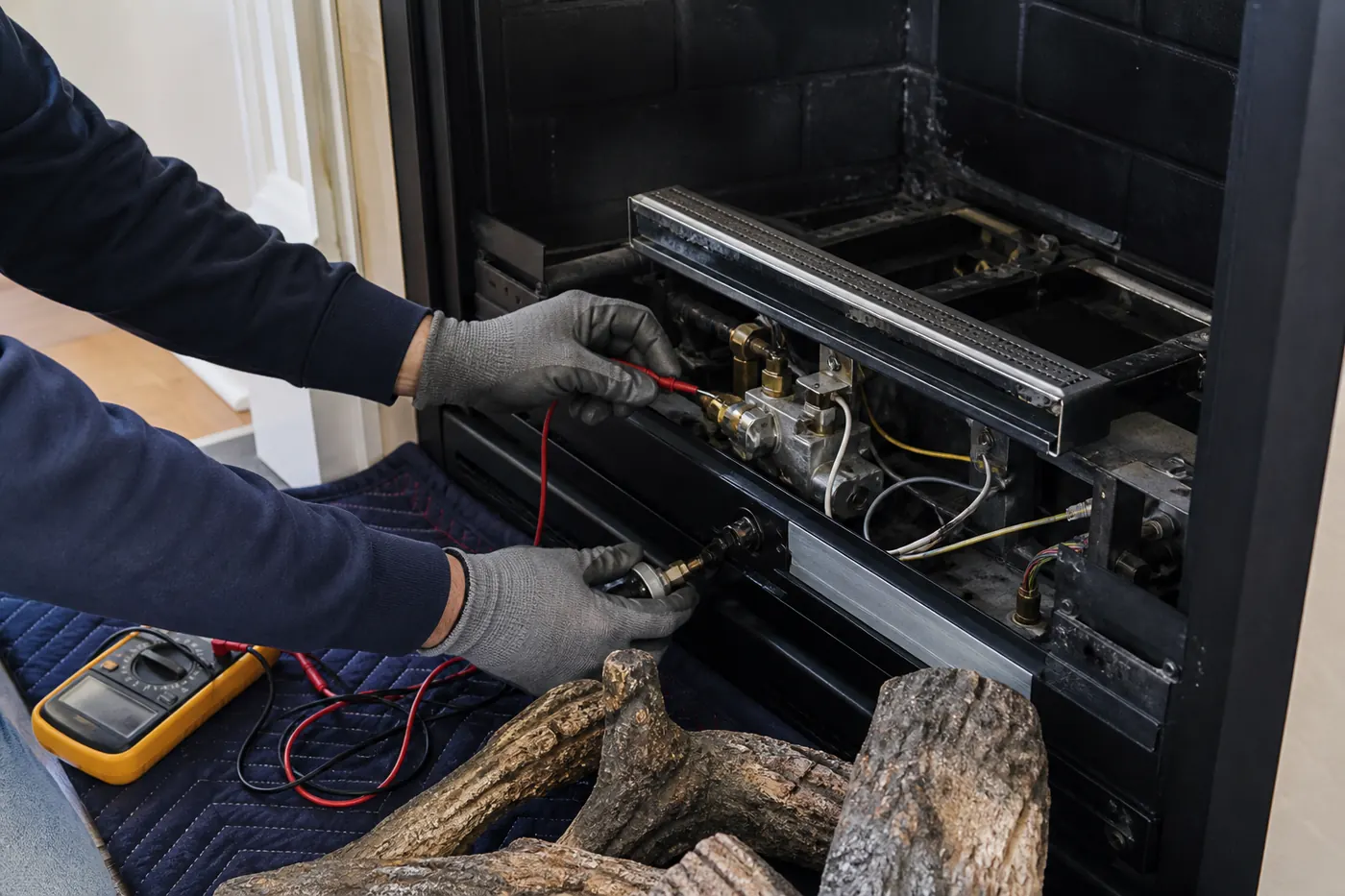
Fireplace & Gas Fireplace Repair
$299–$1,500
Inspect-first service with photo documentation and a written scope before work.
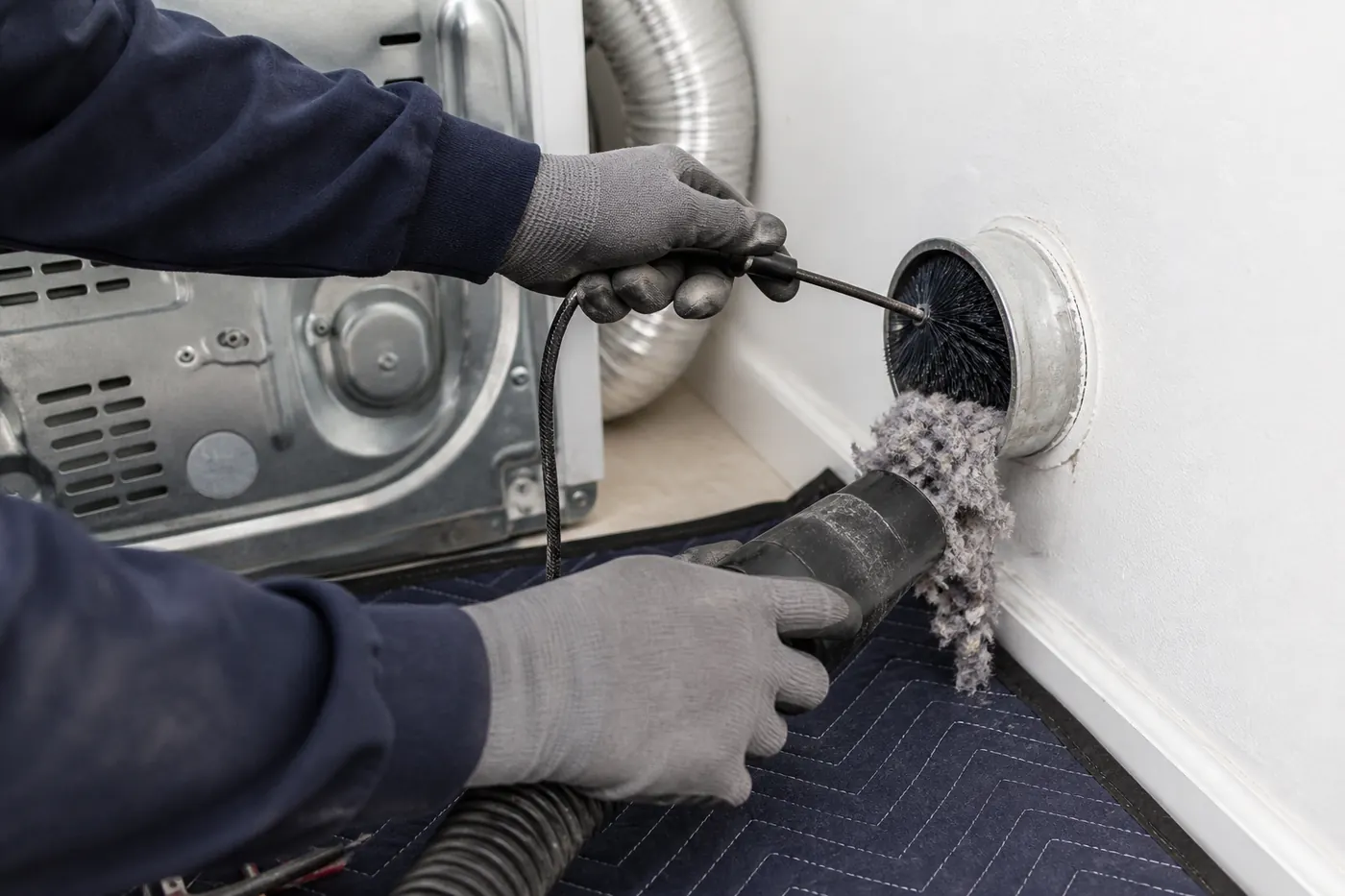
Dryer Vent Cleaning
$99
Inspect-first service with photo documentation and a written scope before work.
Chimney Leak Diagnosis & Repair
$400–$3,000
Inspect-first service with photo documentation and a written scope before work.
Consistent Greater Boston pricing
| Cleaning + inspection | $299 |
|---|---|
| General inspection | $49, credited toward approved repair work |
| Buyer/seller inspection | $99 |
| Leak repair | $400–$3,000 |
How water problems are traced in Wellesley
Wind-driven rain can enter at a cap, crown, open joint, flashing transition, or chase cover. In Wellesley, the indoor stain may appear below or beside the actual opening because water follows masonry, sheathing, framing, or a sloped roof surface. Diagnosis therefore moves from the highest drainage surfaces toward the observed interior evidence.
The inspection starts with the homeowner's timeline: the room where moisture appeared, storm direction, whether the symptom occurs during every rain, and whether snow or ice was present. Exterior review then covers the cap, crown, termination, upper masonry, wall faces, flashing, cricket or back pan, and roof drainage above the chimney.
Where an attic, chase, or interior cleanout is safely accessible, it may reveal a path that is invisible from the roof. Old stains are documented separately from active moisture. If several openings are plausible, the recommendation can begin with a focused correction or further testing instead of selling every possible repair at once.
A broad water-repellent treatment is not presented as a substitute for open mortar, spalled brick, failed flashing, or a cracked crown. Physical defects are repaired first; a breathable masonry treatment may be considered only for suitable sound surfaces after repairs cure.
Seasonal planning in Wellesley
Late summer and early fall are useful times to schedule routine sweeping and inspection before heavy fireplace use. Exterior masonry work is easier to plan when surfaces are dry and temperatures support preparation and curing. Winter visits can still diagnose many problems, but snow or ice may limit roof access.
Spring review is useful after freeze–thaw exposure, especially when fragments, new cracks, rust streaks, or interior stains appeared during winter. A prompt inspection does not mean every condition needs immediate reconstruction; it establishes whether the change is cosmetic, repairable, or a safety and water-entry concern.
Homeowners can help by preserving prior reports, noting the timing of symptoms, keeping the hearth area accessible, and identifying appliance or renovation changes. That information makes the visit more efficient and supports a narrower, more accurate scope.
Planning a focused repair in Wellesley
A focused repair still needs a precise boundary. Photographs, quantity, preparation, material, finish, and exclusions allow the homeowner to confirm that the completed work matches the approved proposal.
If the inspection identifies a separate condition outside that boundary, it is documented independently rather than silently expanding a small repair into a different project.
Questions Wellesley homeowners ask
Water is showing on a ceiling near the chimney in my Wellesley Tudor. Where is it coming from?
On a complex roofline the usual suspects are the flashing at a valley or dormer, a missing cricket behind the chimney, a cracked crown, or porous brick. Water travels before it shows. The inspection follows the storm and symptom timeline and photographs each entry point so the repair targets the source.
What does the $299 cleaning with inspection cover?
Sweeping the flue, smoke chamber, and firebox, removing the debris, and a Level 1 inspection with labeled photographs of every accessible component including the roof intersections. The technician reviews the images with you and leaves a written summary. One visit, one price.
How does the $49 inspection credit work?
You pay $49 for a Level 1 inspection with a photo report. If the report recommends repair and you approve a written price for it, the $49 is deducted from that invoice. If you decide not to proceed, you keep the report and owe nothing more.
Do you work on gas fireplaces in Wellesley?
Yes. We inspect and service gas inserts and gas log sets along with the venting path. Gas exhaust venting into a large masonry flue condenses and attacks the mortar, so liner sizing and condition are checked whenever gas is connected. Any liner recommendation is priced in writing first.
Will the technician need to walk on my roof?
Usually, to inspect the crown, cap, and flashing properly. Ladder placement and roof protection are planned before anyone climbs, and steep or slate roofs may limit access. When part of the system cannot be reached safely, the report states that as a limitation rather than guessing.
What happens if the inspection finds a problem?
You get the photographs, an explanation of the consequence, and a written price for the specific repair. No work begins until you approve it. Findings that can safely be monitored are reported as such, and the quote names what observable change would alter the recommendation.